From coop to counter: how genomics is transforming Salmonella surveillance in Zimbabwe

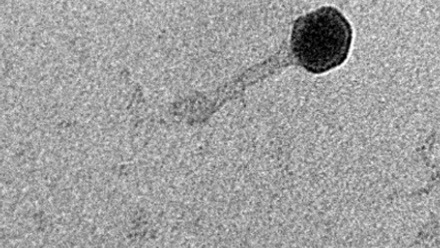
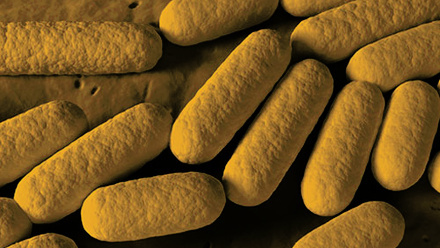
In Zimbabwe’s bustling food markets, poultry is a staple, a source of protein for millions. But hidden within this essential food source lies a microscopic threat: Salmonella enterica, a bacterium capable of causing serious illness and spreading silently from farms to dinner tables. Our team wanted to uncover how this pathogen moves through the broiler supply chain and how cutting-edge genomics can help stop it.
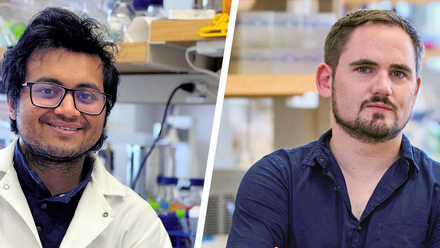
I am Peter Katsande, a microbiologist and Fleming Fund Alumnus with a research focus on foodborne pathogens and antimicrobial resistance (AMR). My work investigates the genetic mechanisms and ecological dynamics underlying bacterial adaptation and dissemination within food production systems, with the overarching aim of enhancing food safety and public health protection through evidence-based surveillance and intervention strategies.
Our recent paper, “Genetic diversity and antimicrobial resistance profiles of Salmonella enterica in the broiler supply chain in Harare, Zimbabwe: Tracking transmission from farm to table” published in Microbial Genomics, used whole-genome sequencing (WGS) to map the journey of Salmonella through farms, slaughterhouses, and retail outlets in Harare.
We discovered that Salmonella contamination was relatively rare on farms but spiked dramatically at slaughter facilities and retail markets, highlighting critical points for intervention. The isolates we sequenced revealed remarkable genetic diversity, including eight different serovars. Worryingly, over one-third carried antimicrobial resistance genes, such as fosA3, qnrB19, and mutations linked to fluoroquinolone resistance. Even more concerning was the detection of an extended-spectrum beta-lactamase (ESBL)-producing Salmonella Kentucky strain in retail chicken, signalling a potential public health hazard.
This project began with a simple but powerful question: how is Salmonella moving through our food system? Seeing identical genetic fingerprints of the same strains appear at multiple points in the supply chain was a moment of revelation — genomic evidence of transmission that had previously been invisible.
The research process was a collaboration of passionate scientists across disciplines, united by a shared goal of improving food safety in Zimbabwe. Generating and analysing genome data from local samples was particularly exciting, it showed how genomics could empower public health even in resource-limited settings.
We hope our findings will guide targeted interventions, stronger surveillance, and policy reforms to reduce Salmonella transmission and AMR spread. Importantly, our genomic data provide an open resource for researchers across Africa, helping to fill critical knowledge gaps about foodborne pathogens in low- and middle-income countries.
The future of this field is bright. With genomics, we can now trace outbreaks, understand transmission networks, and respond faster than ever before. As sequencing becomes more accessible, Africa is poised to lead in using genomics to protect public health, from the coop all the way to the counter.