New to Science: The latest discoveries from around the world
The first was identified from sampling mangrove trees in Kuwait. The novel species, Nigromyces azzae, was isolated as part of an investigation by a team at Kuwait University into the yeast diversity associated with mangrove trees. Yeast can have plant growth-promoting capabilities in mangroves, which could be potentially important for their conservation. N. azzae was characterised as a black yeast-like fungus based on its dark-pigmented colonies, with a distinct lineage within the family Zalariaceae. N. azzae joins a community of eight known black yeasts that inhabit the mangrove ecosystem. The name honours Dr. Azza Al-Musallam, a mycologist at Kuwait University, for her contributions to fungal ecology research.
The second novel fungal species was isolated from an unexpected location: inside powdered milk products. Milk powder is known to be susceptible to fungal contamination and harbours diverse fungi, though reports of novel species isolated from them are rare. Researchers at China National Research Institute of Food & Fermentation Industries in Beijing, China, say that the novel Aspergillus orionensis finding expands current knowledge about the diversity of the genus Aspergillus, which is one of the most widely distributed filamentous fungal genera in nature. The team believes that A. orionensis could be a potential candidate for biotechnology applications in the future.
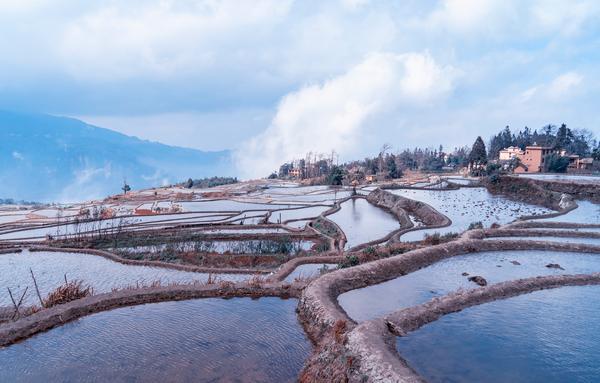
Last but not least for the fungal discoveries, Alfaria yunnanensis was isolated from rice plants and joins a genus that is characterised by asexual morphs that have mostly been isolated from plant material but represents the first report of an endophytic Alfaria species. Endophytes play a crucial role in nature, benefiting plant fitness through increasing resistance to abiotic and biotic stresses. The team at the Kunming University of Science and Technology, China, hope that this will enrich our understanding of Alfaria species and support future research to understand its ecological significance.
From fungi to bacteria, not one but three novel species of magnetotactic bacteria were isolated from seawater in the Mediterranean Sea. Terasakiella magnetica, Magnetovibrio massiliensis, and Magnetococcus organivorans are therefore able to detect and align with the Earth's magnetic field through forming microscopic crystals within its organelles. They have been frequently associated with the aquatic ecosystem and are important in biogeochemical cycles for iron, sulphur, phosphorus, among others. It is thought that this ability for magnetotaxis is a biological adaptation to help bacteria navigate their microenvironment.
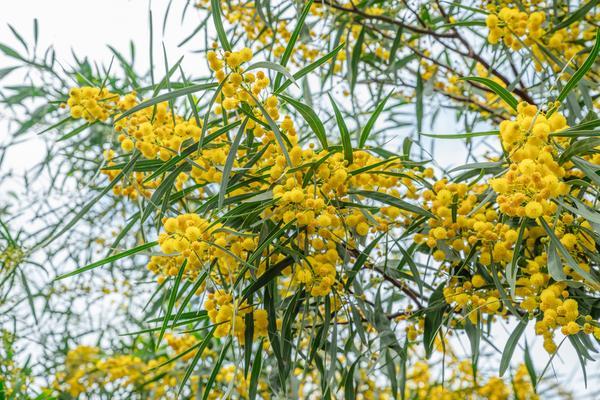
And finally, a novel species of rhizobia bacteria was isolated in Tunisia from the plant Acacia saligna, also known as the golden wreath wattle or Port Jackson willow. The tree is invasive in North Africa but plays an important role in bioremediation by degrading pollutants in the soil and increasing its fertility. The novel Bradyrhizobium cedriense bacteria was discovered from sampling the root nodules, collected along the banks of Oued Soltane stream in northern Tunisia, a site with significant wastewater contamination with heavy metals. Consequently, B. cedriense was identified to be able to tolerate high concentrations of heavy metals.
New to Science
Each month, the Microbiology Society publishes the International Journal of Systematic and Evolutionary Microbiology, which details newly discovered species of bacteria, fungi and protists. New to Science is a blog series unravelling these latest discoveries every month.