
Tackling antimicrobial resistance in Nigerian aquaculture: insights from a stakeholder meeting

Antimicrobial Resistance (AMR) is a global health crisis, and its impact extends beyond human medicine. The aquaculture sector, a vital source of food and livelihood for many Nigerians, is increasingly threatened by the rise of antibiotic-resistant bacteria; this sector has been under investigated. To address this critical issue, the Antimicrobial Research Group, led by myself, with the support of the Microbiology Society, recently convened a stakeholder meeting in commemoration of the WAAW, to raise awareness and foster collaborative solutions.
The meeting, which was held on Thursday 21 November 2024, brought together a diverse group of 127 stakeholders, including aquaculture practitioners, researchers and government officials. The meeting indeed had international reach, with virtual attendees joining from Tanzania, Benin Republic, Kenya, Ghana and South Africa.
Expert insights and lively discussion
The event featured a series of insightful presentations: Dr Tajudeen Bamidele a molecular biologist and biotechnologist from the Nigerian Institute of Medical Research, Nigeria, painted a sobering picture of the global AMR crisis, emphasising its grave implications for human and animal health. While Professor Babatunde Emmanuel a marine expert, from the University of Lagos, Nigeria, shed light on the overuse of antibiotics in fish farming and explored promising alternatives, like probiotics and improved biosecurity measures. Dr Olutayo Amusan from Eko University of Medicine and Health Sciences, Nigeria, also highlighted the crucial link between aquaculture, food security and the One Health approach, emphasising the importance of ensuring safe and nutritious seafood for consumers. Attendees were asked via a questionnaire for their perspectives on AMR in aquaculture, such as the use of antibiotics in treatment of fish water, disease and biosecurity measures.
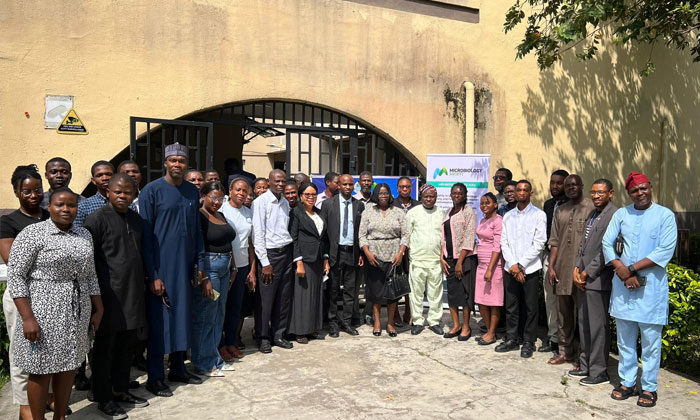
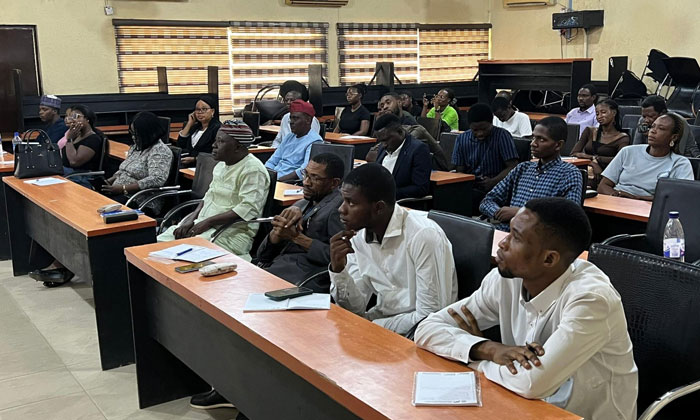
The aquaculture stakeholder meeting underscored the urgent need for a multi-disciplinary approach to combat AMR in Nigerian aquaculture, strengthen collaboration among stakeholders (including researchers, farmers and government agencies) to share knowledge and best practices and raise public awareness about AMR.
The stakeholder platform will continue to engage for more awareness and to build more strong partnerships to address AMR in Nigeria.
All of the blogs in this series are listed together via our WAAW 2024 blog listings and you can also find out more about the Society's AMR work via our Knocking Our AMR webpages.