New to Science: The latest discoveries from around the world
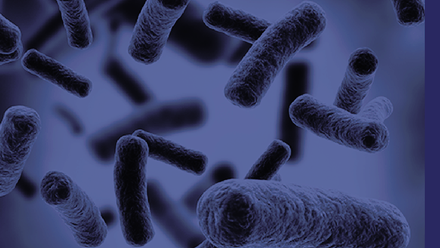
As the weather remains particularly chilly at Microbiology Society HQ in London, we'll start our latest discoveries with a team of novel glacial bacteria! The ten new Flavobacterium species were isolated from five glaciers on the Tibetan Plateau, defining a new 'cryospheric lineage' to describe this Flavobacterium clade that reside in extreme cold environments. Arguably though, this should come as no surprise as Flavobacterium is one of the dominant bacterial groups in glacier surface ecosystems. They adapt to survive the cold by making specific amino acid substitutions to improve protein flexibility and enriching their cell membranes with branched-chain and unsaturated fatty acids for membrane fluidity.
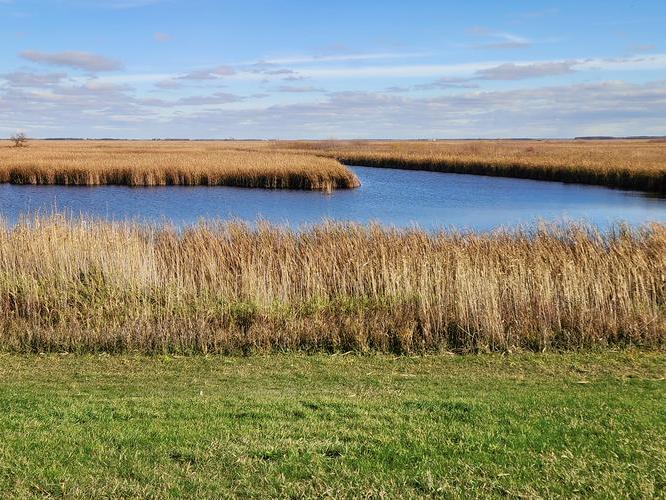
The next two novel bacteria have a hint in their name of where they were discovered: Sphingomonas eleionomae and Rhizorhabdus antheiae are both named after Greek mythological creatures for what? If you guessed the marsh, that would be spot on! Eleionome is a nymph and Antheia is a goddess of marshes. Researchers isolated both bacterium from marsh water at FortWhyte Alive in Manitoba, Canada. The wetlands are an important part of its landscape and a biodiversity hotspot. Both S. eleionomae and R. antheiae are aerobic anoxygenic phototrophs (AAP), which are mixotrophic bacteria, capable of aerobic cellular respiration as well as photosynthesis to fuel the cell.
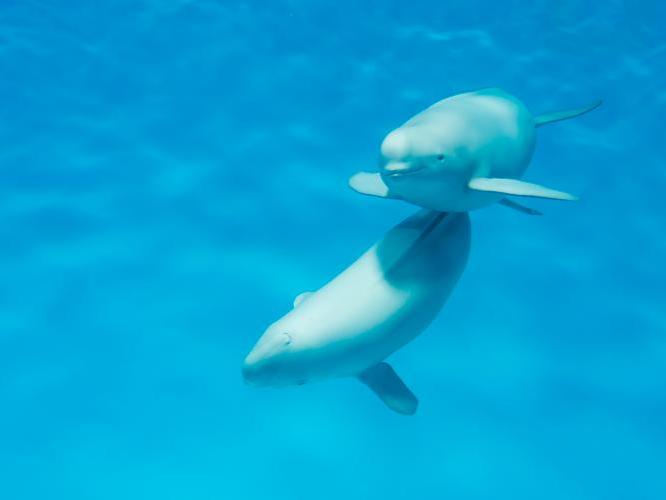
Next up, two new species of Paracoccus bacteria were discovered from the inside of a finless porpoise blowhole. These adorable cetaceans are the iconic residents of the Yangtze River, the longest river in China. Members of the genus have been isolated from a wide variety of environments, including marine sponges and fish intestines. Some species even play important biological functions in their habitats, such as the denitrification activity of P. denitrificans. P. jiaweipingae and P. zhouxuedongae are identified as Gram-negative, aerobic and non-spore-forming.
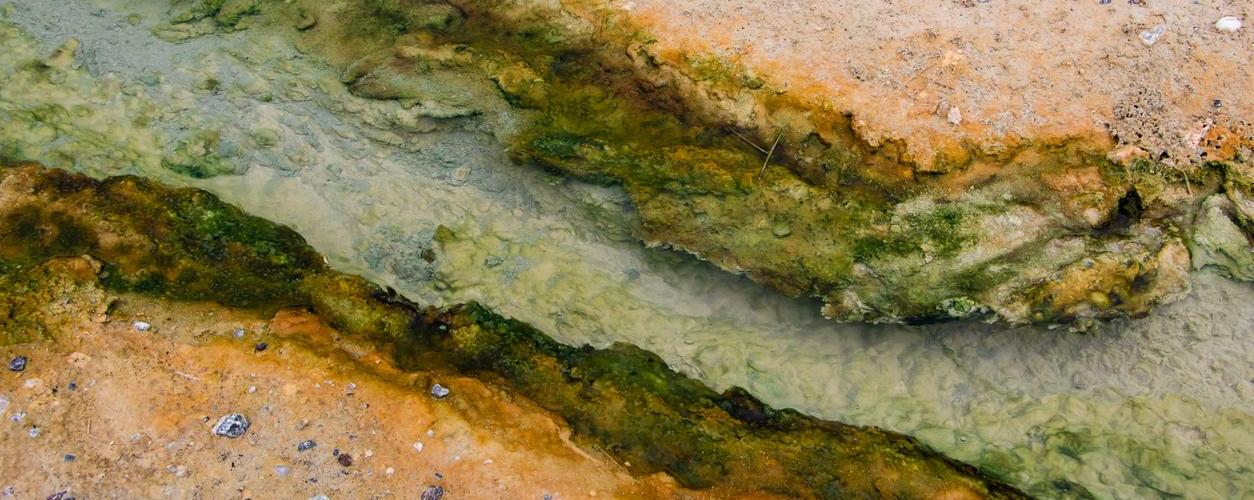
In the hot springs of Rupite, Bulgaria, scientists have discovered the newest member of the phylum Acidobacteriota. Not only are a new species and genus proposed, but also a new family and order! This novel bacterium is named Chloracidobacterium validum, within a new family, Chloroacidobacteriaceae, and a new order, Chloracidobacteriales. Acidobacteriota were first isolated from acidic mineral environments but have now been found in a diverse range of environments, including non-acidic soils, deep-sea plankton, caves and extreme habitats like hot springs. C. validum in particular was found in the spring's microbial mat - a multi-layer biofilm of different microbes.
Last but not least, a new member of a relatively small genus, Rothia similimucilaginosa, joins 20 Rothia species in the family of Micrococcaceae. R. similimucilaginosa was isolated from a nasal cavity of an 8-year-old from Madison, US. According to the Human Microbiome Project, Rothia exist at a 1.1-12.6% abundance in the human oral tract and a miniscule ≤0.50% in the nasal cavity. Fascinatingly, Rothia encode biosynthetic gene clusters, which are known to produce antibiotics and other secondary metabolites, but no bioactive compounds have yet to be characterised (bar one, R. mucilaginosa). Therefore, researchers aim to continue exploring members of this genus for developing novel therapeutics in the future.
New to Science
Each month, the Microbiology Society publishes the International Journal of Systematic and Evolutionary Microbiology, which details newly discovered species of bacteria, fungi and protists. New to Science is a blog series unravelling these latest microbial discoveries every month.