New to Science: The latest microbial discoveries from around the world
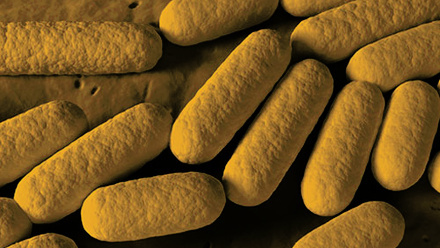
On the New to Science blog, we cover discoveries of microbes from every corner of the world, often in weird and wonderful places. But this month’s first new species was discovered somewhere we are likely all very familiar with: the office. The novel bacterium Deinococcus superficialis was isolated during a survey of frequently touched surfaces in an office building in Zhejiang, China. The team swabbed every surface, from desks, mouses, keyboards, to chair arms and mugs. The genus Deinococcus are non-pathogenic bacteria that are already known to be found in the human microbiota of various tissues. Testing of the novel species’ ability to grow in sebum lipids, secreted from our skin, found that the isolates were clearly adapted to the sebum-rich niche. Also known as an extraordinarily resilience genus, like others in its group, D. superficialis was additionally resistant to gamma/UV radiation, desiccation and oxidative stress.
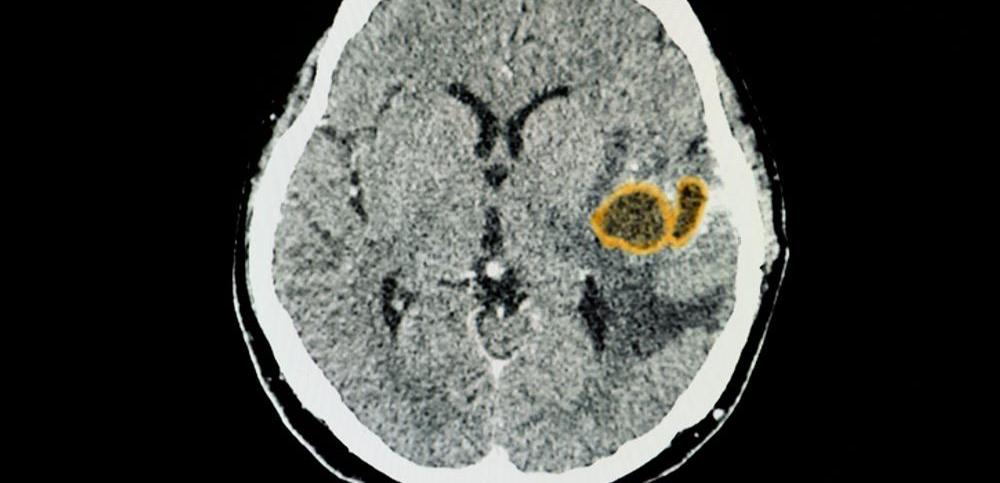
Another discovery from the human body, a team investigating the microbial landscape of bacterial brain abscesses identified a novel Fusobacterium species associated with the disease. Brain abscesses are swellings in the brain that is caused by bacteria or fungi entering the brain tissue after an infection or severe injury. The novel Fusobacterium abscessus joins a genus of pathobiont species that are typically commensal but can become pathogenic, which have been associated with diseases such as brain abscesses, gum diseases, and colorectal cancer. Through metagenomic analysis, this study finds elevated F. abscessus levels in stool samples of patients with colorectal cancer and Crohn’s disease. Its clinical relevance may prompt further investigation in the future.
Staying on pathogenic genera, Legionella is known for causing sporadic outbreaks of atypical pneumonia, such as legionellosis. Despite being a diverse genus, around half of the group are associated with respiratory human diseases. In countries like Germany, the presence of Legionella is monitored constantly in water-based environments, which can act as reservoirs. This surveillance is in fact what led to the discovery of our next two novel species, Legionella stutthartensis and Legionella nigrisilvae. Both were isolated by monitoring authorities from a re-cooling water plant and a home drinking water installation in Germany. Both are Gram-negative, aerobic bacterium. Most interestingly, their genomes encoded resistance gene clusters that could confer resistance against penicillin, carbapenem and cephalosporin when expressed. Not only that, L. nigrisilvae additionally encoded two more resistance clusters against aminoglycosides and penicillin-like antibiotics too.

From one body of water to another, a novel lactic acid bacterium, the novel Latilactobacillus parasakei was isolated and characterised from a freshwater puddle near Skálholt, southwestern Iceland. Lactic acid bacteria, species that produce lactic acid as an end product of carbohydrate fermentation, are found in diverse environments and have a range of applications in the food and biotechnology industries. This study set out to investigate the presence of these bacteria in freshwater. Initially, two isolates collected were identified as Latilactobacillus sakei by MALDI-TOF MS, however, further analysis by whole-genome sequencing confirmed its new relative, L. parasakei. The genome sizes of both isolates were larger than previously reported, thus the team also amend the description of Latilactobacillus as a genus.
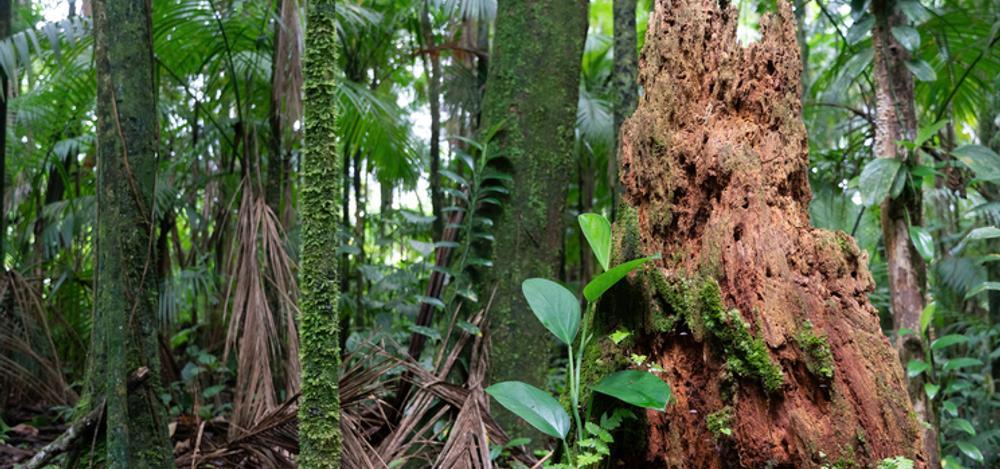
Last but not least, a novel yeast, Deakozyma peteri, was proposed after its isolation during a study of yeasts associated with rotting wood, fruit, soil, and mushroom samples in the Brazilian forest biome. Surprisingly, D. peteri had already been isolated in Mexico and Costa Rica in previous studies but never characterised. This now international yeast joins the genus Deakozyma, first established in 2014 and characteristically found in rot environments.
New to Science
Each month, the Microbiology Society publishes the International Journal of Systematic and Evolutionary Microbiology, which details newly discovered species of bacteria, fungi and protists. New to Science is a monthly blog series unravelling these latest microbial discoveries.