New to Science: The latest microbial discoveries from around the world
Our Microbe of the Month for August is the novel vitamin B12-producing Jujubicoccus corallicola, a bacterium isolated from coral around Weizhou Island in southern China. Vitamin B12 is a core nutrient for animals, one that is synthesised by bacteria and acquired either through the gut microbiome or through food. The nutrient is known to be essential for processes like DNA synthesis and red blood cell formation. For coral, researchers are investigating another potential role of B12 in enhancing heat tolerance. J. corallicola belongs to the Rhodobacterales order, a group that has been shown to increase in abundance when coral are under heat stress. Rhodobacterales bacteria have also displayed an ability to produce or share vitamin B12, a compound that has been demonstrated to enhance heat tolerance in both bacteria and algae. As climate change continues to warm the oceans, with devastating impacts of coral life, understanding the mechanisms of heat tolerance for the sea creature could help protect them in the future.

Next up, Mycobacterium is one of the most well-known bacterial genera because of its highly pathogenic members, primarily Mycobacterium tuberculosis. Latest research from researchers in Osaka, Japan, adds another to the group, with a novel species isolated from an immunocompromised patient with chronic, progressive pulmonary disease. Mycobacterium toneyamaense reportedly caused a bloodstream infection through a catheter. It is characterised as rod-shaped, acid-fast, and forming smooth ivory colonies. Its discovery follows an increasing trend of emerging pathogens that are categorised as ‘nontuberculous mycobacteria’, found especially in those with underlying immune suppression or pulmonary diseases.
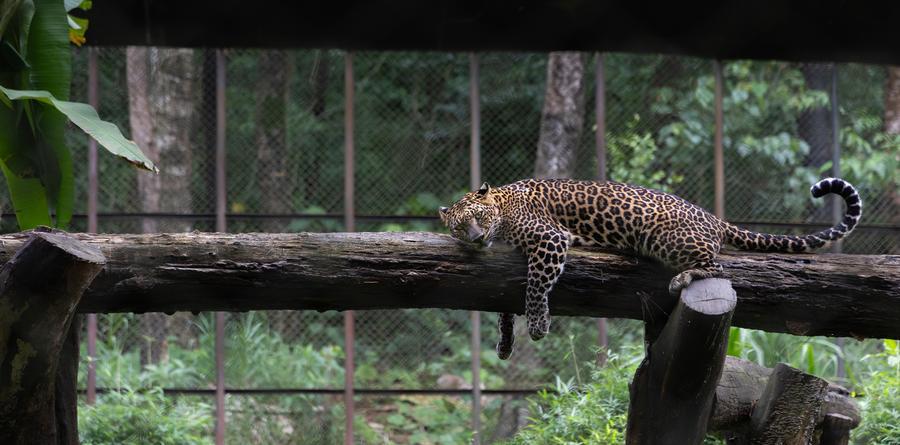
In Denmark, a survey of large cats in zoos across the country yielded a discovery of a novel bacterial species, Pasteurella pantherarum, named after the mammal from which it was found. The isolate was taken during an investigation of a related species, Pasteurella multocida, in the mouth cavities of large cats. P. multocida is known as the causative agent of chicken cholera, that was first discovered by Louis Pasteur. The aim of this study was to better understand the species and its primary mode of infection through bites. The novel bacterium joins the genus, and is characterised as Gram-negative, non-motile, and fermentative.
From large to small animals, a novel bacterium, Neffella xylocopae, was identified from the gut microbiome of bees in Texas, USA. Bees can acquire their microbiota through different means depending on their sociality. Eusocial bees, such as honeybees and bumblebees, transmit their microbiomes through the hive environment or social interactions. However, solitary bees mainly acquire microbes via the external environment, such as flowers. Xylocopa species, also known as carpenter bees, are not eusocial but often live in shared nesting sites. In this study, researchers collected carpenter bees in Austin, Texas, to assess whether there was host specificity in the commonly found Orbaeceae bacteria in their guts. This may suggest that these bees exhibit facultative social behaviour that may enable direct transmission of microbiota between individuals. In this analysis, the novel Neffella xylocopae was isolated and categorised in a newly described genus and species within the Orbaeceae family. The bacterium is Gram-negative, anaerobic and with bubble-like colonies.
Last but not least, three novel fungal species have been isolated and proposed this month, collected from tropical forest bioregions in Brazil and Australia. Moniliella guaraniorum, Moniliella tapajorum, and Moniliella boundymillsiae were isolated during a survey of yeasts associated with flowers and root fluids in the two biodiverse countries. The two species from the Brazilian forest owe their new names to two Indigenous peoples; Moniliella guaraniorum to honour the Guarani people of southeastern Brazil, and Moniliella tapajorum to honour the Tapajós, inhabitants of northern Brazil.
New to Science
Each month, the Microbiology Society publishes the International Journal of Systematic and Evolutionary Microbiology, which details newly discovered species of bacteria, fungi and protists. New to Science is a monthly blog series unravelling these latest microbial discoveries.