
Overview
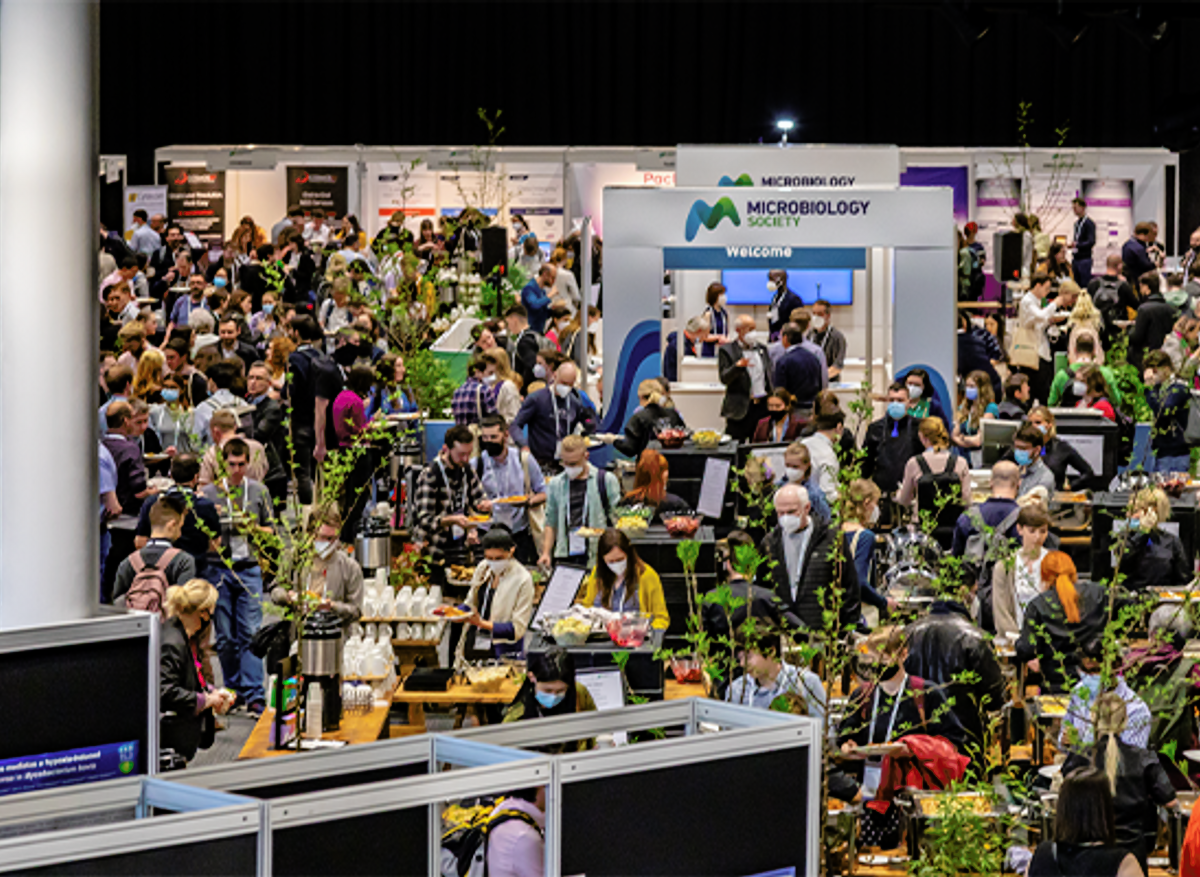
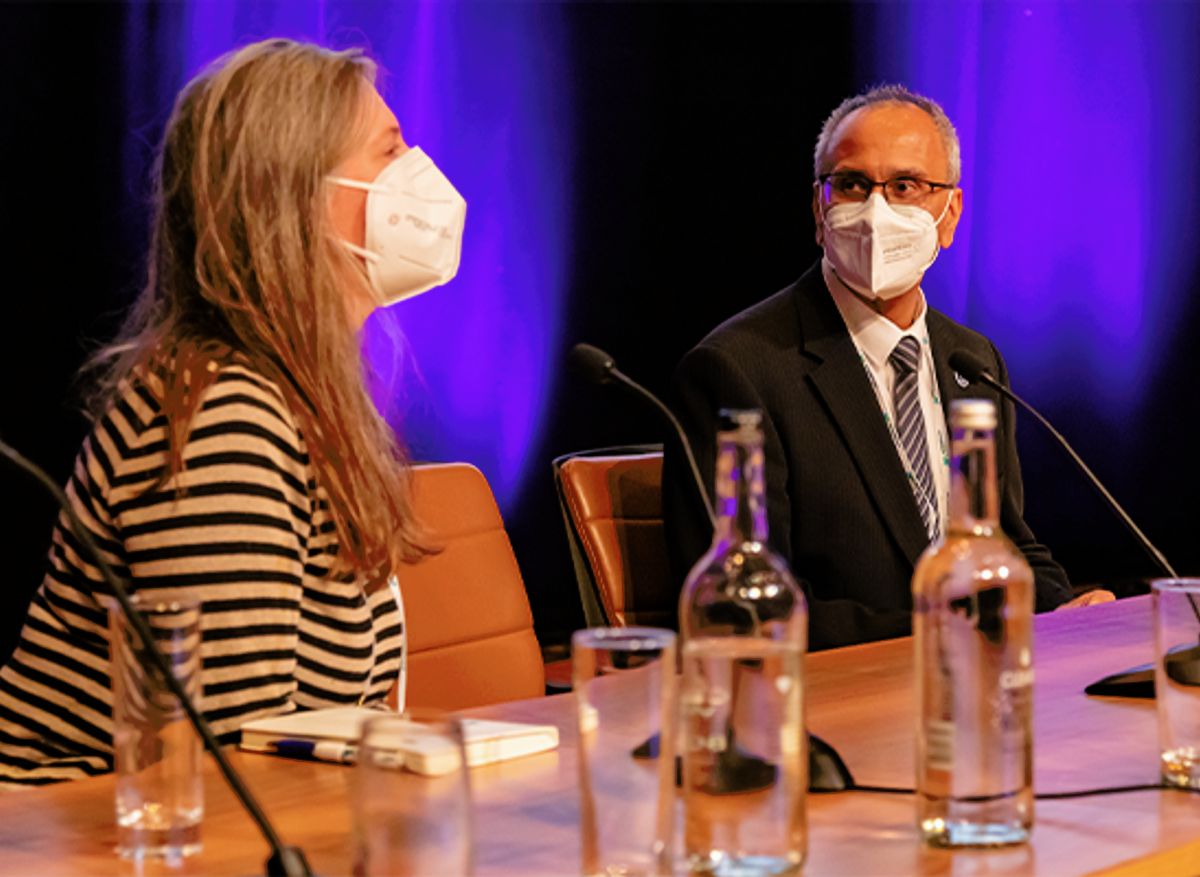
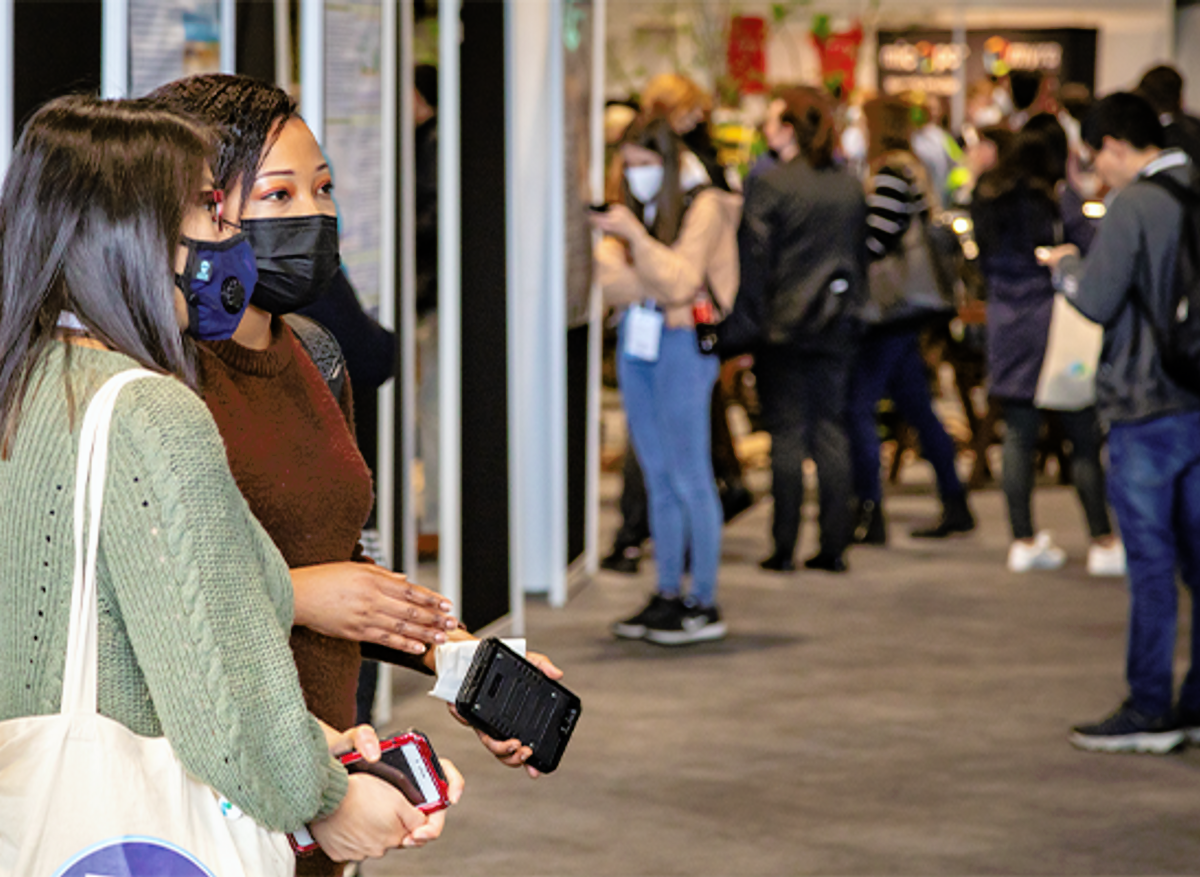
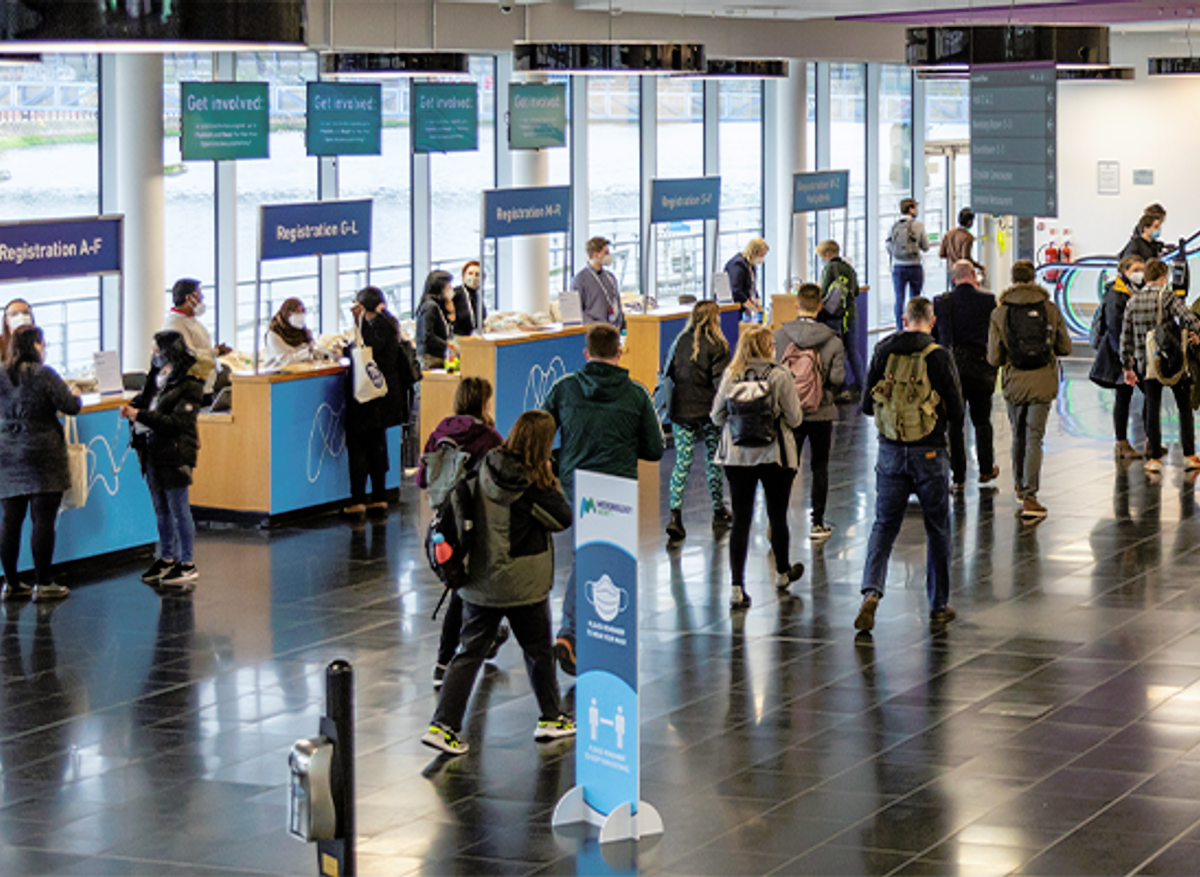
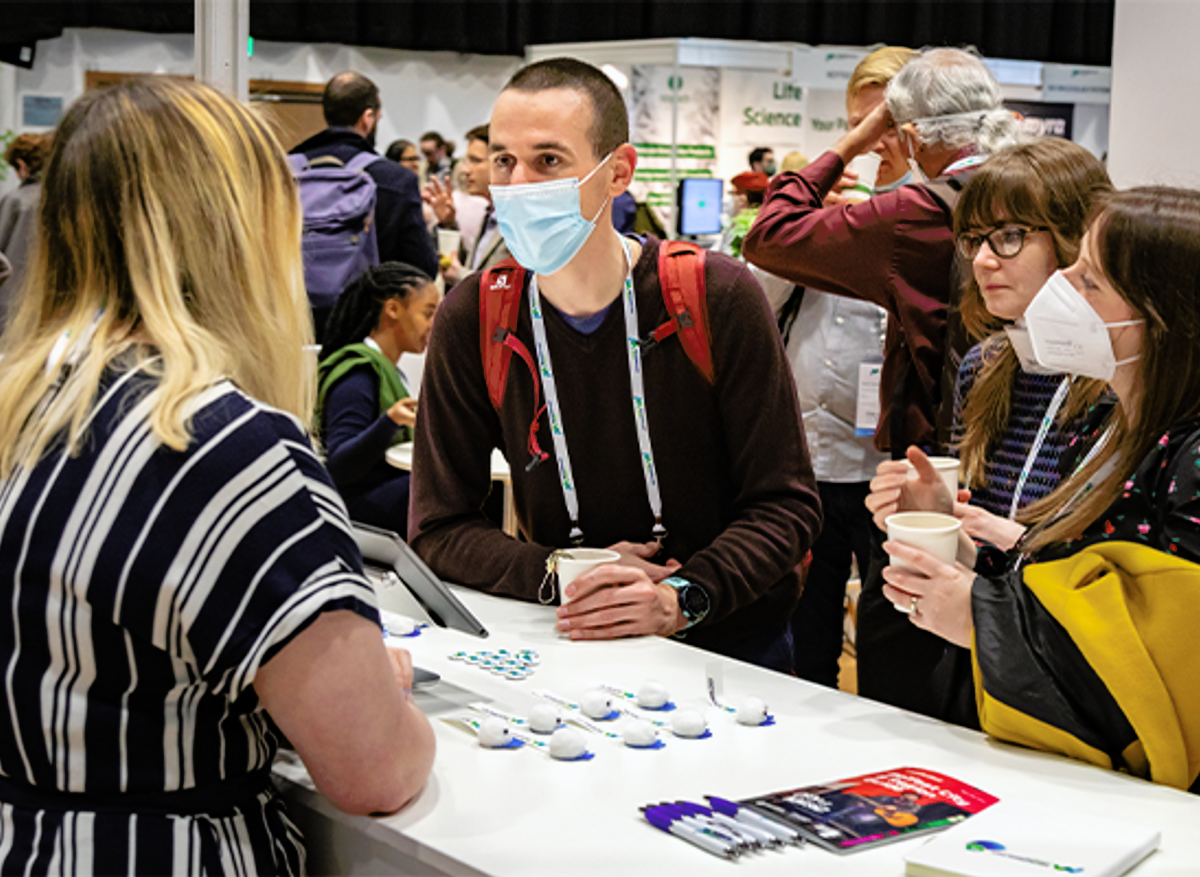
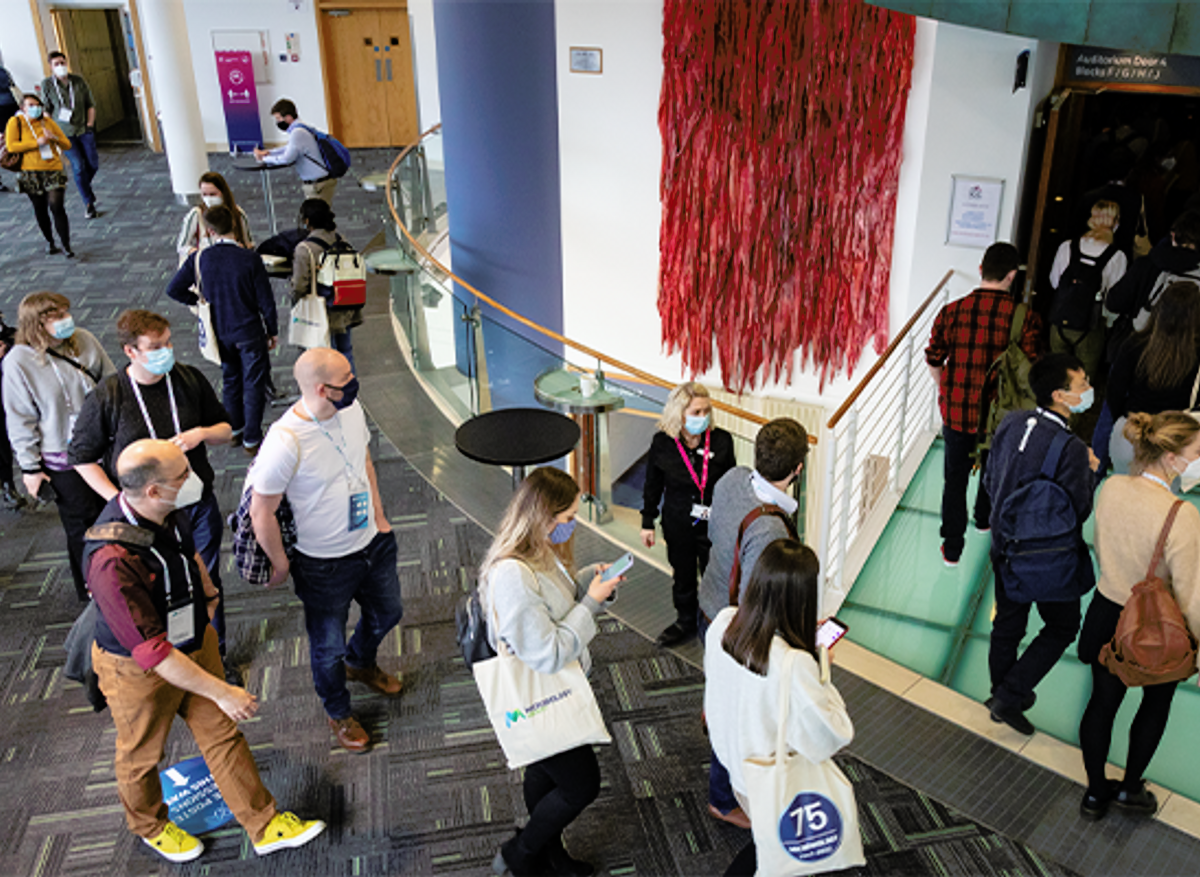
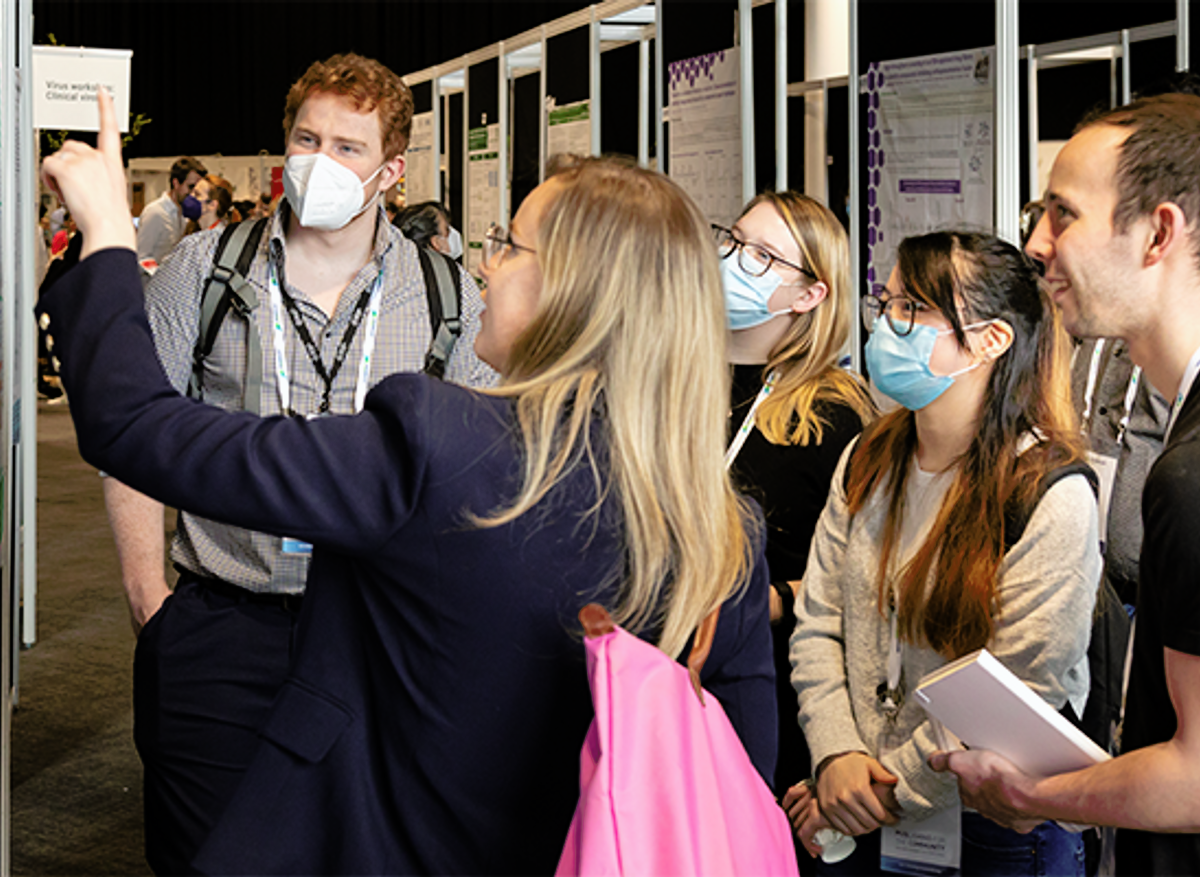

The Microbiology Society Annual Conference 2022 took place between Monday 4 April–Thursday 7 April 2022 and was held in Belfast, at its International Convention Centre.
AC22 1.png 2
AC22 7.png
AC22 2.png 2
AC22 3.png 2
AC22 6.png
AC22 4.png 2
AC22 5.png 2
COVID-19 mitigations FAQs
What are you doing to make the event as safe as possible?
As part of the preparations for Annual Conference 2022 in Belfast, the Microbiology Society has planned a set of mitigations against COVID-19 at our in-person event. Council members and members of the Virus Division, including Paul Kellam (former Council Member), Gill Elliott (Council member), Stephen Griffin (former Chair of Virus Division), Jo Parish (Chair of Virus Division), Matthew Reeves (Chair Elect of Virus Division) and Elly Gaunt (Virus Division member), have worked with Society staff to develop a framework of mitigations for the Society to apply to all of its events throughout 2022, in order to ensure that these are as COVID-secure as possible.
Implementation of this framework is a shared responsibility; shared between the Society, the venues we use for our events, and all potential attendees. Attendance at any of our events is a personal choice, but it will be incumbent on all of us to deliver these mitigations in order for us to keep our delegates, members, and staff as safe as we can.
The framework covers the following five areas.
- Vaccines
- Ventilation
- Masks
- Testing
- Spacing, particularly during communal activities such as lunch and poster sessions
The following mitigations will be implemented for all those attending Annual Conference 2022 at the ICC Belfast. In the run up to Annual Conference 2022, these mitigations have been reviewed by the Society’s Council to ensure they remain appropriate.
|
Mitigation area |
|
|
Vaccines |
All attendees are required to be fully vaccinated to attend Annual Conference. For many individuals, this will mean a primary course and booster vaccine, and with the booster administered at least 14 days before Conference. By attending Conference, you confirm that you are fully vaccinated, or have a valid exemption from the Society’s Conferences team and approved by the General Secretary. |
|
Ventilation |
Real-time monitoring of CO2 levels will take place throughout the venue, with regular review and necessary rapid action. |
|
Masks |
FFP3 masks will be provided to all individuals in delegate bags on arrival at Conference, and everyone will be expected to wear them inside the conference venue, except when eating or drinking, at which time attendees are reminded to socially distance. If you require additional masks, please ask at the registration desks. We are mindful that some delegates have legitimate reasons for not wearing a mask or are exempt. In recognition of exemptions which may or may not be evident, no-one will be challenged regarding mask wearing within the venue. |
|
Testing |
Attendees will be provided with LFT devices in delegate bags on arrival at Conference and will be expected to test themselves daily at their accommodation before attending the conference venue. It is the responsibility of the attendee to secure a LFT device and test themself before their first arrival at Conference. If you require additional LFT devices, please ask at the registration desks. If you test positive during Conference, please do not come to the Conference venue. Please follow the Northern Ireland guidelines regarding self-isolation. If you need any help, please contact us at [email protected]. |
|
Spacing |
All attendees are reminded of social distancing, particularly during communal activities such as lunch and poster sessions. |
Registration FAQs
Is there a deadline for registration?
Registration for the conference will close at 17:00 BST on 28 March.
Is this event taking place in-person?
Yes - Annual Conference 2022 is taking place as an in-person meeting. The Microbiology Society will continue to monitor changes in regulations and will regularly update its FAQs here.
Are there any group discounts?
Yes – A group discount of 10% can be applied for groups of 4 or more if requested before registering the group members. Please email [email protected] to facilitate this. Once registered, group discounts will not be able to be applied.
Am I entitled to a refund?
We are aware of ongoing uncertainty around event attendance as the pandemic continues. In order to give delegates the most confidence and flexibility, we will refund all registration fees in full if you cancel your booking, for whatever reason, at any time in the lead up to the event. If you wish to cancel your booking and request a refund before the event, please email [email protected].
Abstracts and posters FAQs
Do I have to deliver my offered oral in-person?
Yes, offered orals will all be in-person.
Do I have to deliver my poster presentation in-person?
Yes, poster presentations will all be in-person.
Can I include my poster in the e-poster directory?
Yes. In addition to presenting your poster on-site, all authors will be invited to include a pdf copy of their poster in the e-poster directory on the event platform. This will allow you to organise additional opportunities to informally present your work throughout the week. The deadline for e-posters is 14 March 2022.
When will I be presenting my poster?
All posters will be divided into two blocks and will remain up for two days.
Sessions taking place on the first two days of the meeting will be given posters in Block A. Poster presentation for Block A sessions take place on Monday 4 April 2022.
All sessions taking place on the final two days of the meeting will have their posters in Block B. Poster presentations for Block B sessions take place on Wednesday 6 April 2022.
If your abstract has been awarded a poster, please book your attendance based on the date that the main session is taking place. Please see the online programme for this information.
Speaker FAQs
I have received an accommodation link from E-Hotels Services. Is this legitimate?
No. Please be aware that third-party companies (such a E-Hotel Services) are deceptively acting as venue agents or travel agents to solicit you with fraudulent links. Please only register your accommodation through links to the hotels provided by the Microbiology Society, in the emails that come directly from us. For any issues or queries regarding this, please contact [email protected].
Technology FAQs
What is the ‘enhanced digital experience'?
Following the popularity of the Society’s virtual events over the past 18 months, we will be retaining some of the best online elements as part of our ‘enhanced digital experience’ for our in-person events including Conference. This will include an e-poster directory, an event app and a virtual event platform for legacy content from Conference.

Image credit: ICC Belfast
Programme
Session View
Monday 04 April, Morning
Microbial cell surfaces
-
Chair(s): Joan Geoghegan (University of Birmingham, UK); Jennifer Mitchell (University College Dublin, Ireland); ECM co-chair: Natalie Bamford (University of Dundee, UK)
-
Pre-recorded presentation: Monoderm bacteria: the new frontier for type 4 filaments biology
-
Offered paper: High Resolution Correlative Microscopy For The Characterisation Of Gram-negative Outer Membrane Supported Lipid Bilayers
-
Role of peptidoglycan synthesis proteins in cell division and morphogenesis of Staphylococcus aureus
-
Break
-
Bacterial Cell Envelopes: What Can We Learn From Molecular Dynamics Simulations?
-
Offered paper: Evasion of Toll-like Receptor Recognition by Escherichia coli is mediated via Population Level Regulation of Flagellin Production
-
Competence pili in Streptococcus pneumoniae are highly dynamic.
Phylogenomics - deed poll for bacteria?
-
Chair(s): Alison MacFadyen (University of Glasgow, UK); Gavin Paterson (University of Edinburgh, UK)
-
What's in a name? Where phyogenetics meet the patient
-
The International Code of Nomenclature of Prokaryotes: ongoing relevance and future challenges
-
Dear IJSEM, is my name wrong?
-
Break
-
Chair(s): Nick Tucker (University of Strathclyde, UK)
-
Flash talk: Phylogenomics and the early evolution of bacteria
-
Flash talk: Integrating genomics into the taxonomy of Geodermatophilceae
-
Flash talk: An Improved and Extended Multilocus Sequence Typing (MLST) Scheme for the Genus Streptomyces Reveals a Complex Taxonomic Structure
-
genomeRxiv: A Rosetta Stone for Whole-Genome Prokaryotic Classification
-
Speaker panel discussion and Q&A
Teaching microbiology in higher education symposium
-
Chair(s): Alison Graham (Hull York Medical School, UK)
-
Accessibility and diversifying teaching
Addressing the awarding gap by moving towards an inclusive curriculum
-
Accessibility and diversifying teaching
Hybrid practical design, delivery, and challenges: practice informing practice
-
Accessibility and diversifying teaching
Offered paper: Microbe-opoly: Using Miro to create online, interactive board games that teach undergraduate medical microbiology during the COVID-19 pandemic
-
Break
-
Chair(s): Nicola Crewe (University of Lincoln, UK)
-
Accessibility and diversifying teaching
Accessibility in practical teaching through virtual tools
-
Accessibility and diversifying teaching
Offered paper: Use of take-home lab packs to build student engagement and bioscience practical skills during a pandemic
-
Accessibility and diversifying teaching
Offered paper: Metabolic Underground: A thrilling board game for understanding microbial metabolism in a playful way
The remarkable ribosome
-
Chair(s): Nick Tucker (University of Strathclyde, UK)
-
Inhibiting protein synthesis in a context-specific way
-
Offered paper: A genome wide analysis of innate susceptibility mechanisms of Escherichia coli to antibiotics that inhibit translation
-
Pre-recorded presentation: Deciphering microbial microprotein-based communication
-
Break
-
From fluctuations to function: The role of structural dynamics in the mechanism and regulation of translation
-
Chair(s): Martin Welch (University of Cambridge, UK)
-
Offered paper: Porphyromonas gingivalis gingipains modulate host translational control during oxidative stress
-
Offered paper: Exposure of Candida parapsilosis to the silver(I) compound SBC3 induces alterations in the proteome inhibiting protein synthesis and reducing virulence
-
Offered paper: Global reprogramming of virulence and antibiotic resistance in Pseudomonas aeruginosa by a single SNP in a ribosomal recycling factor, FusA1
Therapies and vaccines for eukaryotic pathogens
-
Chair(s): Carolina Coelho (MRC CMM, UK)
-
Cytokine antagonists from helminth parasites
-
Offered paper: The Salmonella enterica LsrK kinase as a target for anti-virulence intervention
-
Pre-recorded presentation: Development and optimisation of vaccines to control ruminant gastrointestinal nematode parasites using recombinant antigen approaches
-
Break
-
The path from monoclonal antibodies to a second-generation malaria vaccine
-
Offered paper: The multi-target engagement of an MmpL3 inhibitor: analogues of BM212 bind EthR2, a transcriptional regulator of ethionamide activation
-
The road to development of vaccines for leishmaniasis.
Thriving under stress: viral manipulation of the cell
-
Chair(s): Matt Reeves (University College London, UK); Ed Hutchinson (University of Glasgow, UK)
-
Influenza, coronaviruses and erroneous neutrality
-
Offered paper: Identification of human restriction factors against avian influenza A viruses
-
Human inborn errors of immunity: revealing key mechanisms of antiviral immunity
-
Break
-
Chair(s): Gerald Barry (University College Dublin, Ireland)
-
The cellular stress granule protein G3BP fulfils multiple functions in the alphaviral RNA replication complexes
-
Offered paper: HSV-1 pUL21 stimulates cellular ceramide transport to ensure correct trafficking of nascent virions
-
Temporal control of the integrated stress response by a stochastic molecular switch
Genome dynamics in microbial defence (CRISPR) and invasion (HGT)
-
Chair(s): Christopher Cooper (University of Huddersfield, UK)
-
Offered paper: An Experimental Model System to Explore the Evolutionary Consequences of CRISPR-Cas Acquisition to a Naïve Host
-
Molecular Biology of CRISPR Adaptation in Bacteria: How is Invader DNA Captured?
-
Break
-
Pangenomes Create Pangenomes: Uncovering the Dependencies of Accessory Genes on One Another
-
Offered paper: Cbp1:Cren7 chromatinization regulates transcription of CRISPR arrays
-
Staphylococcus haemolyticus is a reservoir of antibiotic resistance genes in the preterm infant gut microbiome
Monday 04 April, Afternoon
Environmental and applied microbiology forum
-
Chair(s): James McDonald (Bangor University, UK); ECM co-chair: Ryan Weir (Queen's University Belfast, UK)
-
Offered paper: Establishing a Model Soil Microcosm System for Streptomyces Coculture
-
Offered paper: The Rhodobacter capsulatus Gene Transfer Agent: the life and times of a selfless virus
-
Offered paper: Microbial evolution in response to prolonged exposure to components of pharmaceutical production waste
-
Offered paper: The effect of alcohols on the metabolism of the ammonia oxidising archaeon ‘Ca. N. franklandus’
-
Offered paper: Utilising a novel microbiological assay to investigate Vitamin B12 uptake in microalgae
-
Offered paper: Powering Efflux - Deciphering the Energetics of Bacterial Tolerance to Platform Chemicals of the Plastics Industry to Enhance Sustainable Manufacturing
-
Break
-
Chair(s): Katherine Duncan (University of Strathclyde, UK); Nick Tucker (University of Strathclyde, UK)
-
Offered paper: Accessing the biosynthetic potential of uncultured Antarctic soil bacteria with long-read metagenomic sequencing and direct pathway cloning
-
Offered paper: Investigating the Ecology and Infection Biology of Gymnopus fusipes, a Fungal Root Rot Pathogen of Woodland Trees
-
Offered paper: Microbial Metabolism of Isosaccharinic Acid Produced in a Geological Disposal Facility for Radioactive Wastes
-
Offered paper: Mechanism and Evolution of Antibiotic Resistance in Archaea
Genome dynamics in microbial defence (CRISPR) and invasion (HGT)
-
Chair(s): Jennifer Ritchie (University of Surrey, UK)
-
Cyclic nucleotide signalling in host:virus conflict
-
Offered paper:
-
Offered paper: A novel anti-phage system within the Pseudomonas spp. defence arsenal
-
Curiosities of naïve and primed CRISPR adaptation in Escherichia coli
-
Break
-
Evidence of widespread endemic populations of highly multidrug-resistant bacteria seen through different lenses
-
Offered paper: Evidence of ESBL plasmid transfer and selective persistence of multiple host-associated E. coli isolates in an in vitro model of the chicken caeca
-
Offered paper: Restriction-modification systems and the spread and antimicrobial resistance in Neisseria gonorrhoeae
-
CRISPR immunity evolution is influenced by phage infection rates and bacterial growth densities
Microbial cell surfaces
-
Chair(s): Joan Geoghegan (University of Birmingham, UK); Jennifer Mitchell (University College Dublin, Ireland); ECM co-chair: Natalie Bamford (University of Dundee, UK)
-
Probing molecular forces in pathogen adhesion
-
Offered paper: Architecture of the outer-membrane core complex from a conjugative type IV secretion system
-
Offered paper: Staphylococcal surface proteins as modulators of host immunity
-
Cracking a difficult crystal shell: S-layer structure, function and exploitation(?)
-
Break
-
Offered paper:
-
Offered paper: Deciphering the connection between the type VI secretion system and the lipopolysaccharide
-
Offered paper: An ancient divide in outer membrane tethering systems in Bacteria suggests a possible mechanism for the diderm-to-monoderm transition
-
Offered paper: Lysis-independent bactericidal activity of cell wall-targeting antibiotics
-
Offered paper: Exploring Group B streptococcus β protein interaction with Factor H
Teaching microbiology in higher education symposium
-
Chair(s): James Edwards (University of Plymouth, UK)
-
Outreach in a virtual era (pre-recorded presentation
Science art: part of the conversation
-
Outreach in a virtual era
Science-me a Story: communicating science through short stories
-
Outreach in a virtual era
Offered paper: Perceptions of science research: visibility and accessibility of science research and science identity in school children engaging in co-designed research projects
-
Outreach in a virtual era
Offered paper: Parasite Street Science-an Arts and Science Collaborative Public Engagement Project
-
Break
-
Chair(s): Mel Lacey (Sheffield Hallam University, UK)
-
Outreach in a virtual era
Offered paper: Science in Schools: combining language and microbiology engagement during a pandemic
-
Round table discussion
The remarkable ribosome
-
Chair(s): Nick Tucker (University of Strathclyde, UK)
-
Two in one: towards a molecular understanding of transcription-translation-coupling in Archaea
-
Offered paper: Metabolic functions of the chromosomally-encoded aminoglycoside resistance protein APH(3')-IIb of Pseudomonas aeruginosa
-
Offered paper: Kaposi’s sarcoma-associated herpesvirus (KSHV) induces specialised ribosomes to efficiently translate viral lytic mRNAs
-
Pre-recorded presentation: Exploring mechanisms of translation in the human pathogen, Mycobacterium tuberculosis
-
Break
-
Offered paper: Increased association of EMG1 in a KSHV-induced specialised ribosome
-
Pre-recorded presentation: Reprogramming the Genetic Code
Therapies and vaccines for eukaryotic pathogens
-
Chair(s): Carolina Coelho (MRC CMM, UK)
-
Optimizing combination antifungal therapy for HIV-associated cryptococcal meningitis
-
Offered paper: Developing monoclonal antibodies targeting surface exposed epitopes of Candida albicans cell wall proteins as a new generation of antifungal therapies
-
Antivirulence strategies for tackling aspergilloses
-
Defining antigens and adjuvants for use in a subunit Cryptococcus vaccine
Thriving under stress: viral manipulation of the cell
-
Chair(s): Ed Hutchinson (University of Glasgow, UK); Gerald Barry (University College Dublin, Ireland)
-
Metabolic changes during norovirus infection
-
Offered paper: Transcriptional deregulation of PPARγ by oncogenic human papillomavirus
-
Offered paper: Determining the orthobunyavirus Gn-Gc glycoprotein envelope arrangement and the role of endosomal K+ in the structural changes that promote virus entry
-
Poxviruses package viral redox proteins and modulate the host oxidative response
-
Break
-
Chair(s): Matt Reeves (University College London, UK); ECM co-chair:
-
Flavivirus manipulation of mitochondrial dynamics as a driver of virus pathogenesis
-
Offered paper: Cell Surface SARS-CoV-2 Nucleoprotein Modulates Innate and Adaptive Host Immunity
-
Offered paper: Proteomic analysis of circulating immune cells defines novel cell surface markers of COVID-19 severity
-
Cytomegalovirus exploitation of pro-inflammatory and regulatory immune pathways
Drinks Reception & Poster Presentations (Block A)
-
Manipulating microbiomes across systems
-
Celebrating 75 years of Microbiology: Bacterial and fungal pathogens
-
Symbiosis
-
Genetics and genomics forum
-
Celebrating 75 years of Microbiology: Quorum sensing
-
Phylogenomics - Deed poll for bacteria?
-
Celebrating 75 years of Microbiology: Biofilms and surface adhesion
-
Environmental and applied microbiology forum
-
Cell surface and cross-kingdom interactions
-
Bacterial second messengers
-
Virus workshop: Assembly, egress and entry
-
Virus workshop: Pathogenesis
-
Microbial cell surfaces
-
Therapies and vaccines for eukaryotic pathogens
-
Genome dynamics in microbial defense (CRISPR) and invasion (HGT)
-
Teaching microbiology in higher education symposium
-
Celebrating 75 years of Microbiology: CRISPR and defence mechanisms
Tuesday 05 April, Morning
Bacterial second messengers
-
Chair(s): Martin Welch (University of Cambridge, UK); Dany Beste (University of Surrey, UK)
-
Pre-recorded presentation: Evolutionary aspects of the cyclic di-GMP signaling system
-
Offered paper: Loss of a cyclic di-AMP phosphodiesterase is linked to penicillin resistance in Streptococcus pneumoniae
-
The role of cAMP in mycobacteria: new messages from an old messenger
-
Break
-
C-di-GMP-dependent regulation of glycogen breakdown in bacteria
-
Offered paper: Structural and functional characterization of two nucleotide binding Mycobacterium tuberculosis transporters
-
Offered paper: Transcriptional rewiring restores virulence in a (p)ppGpp-independent manner in Pseudomonas aeruginosa
Cell surface and cross-kingdom interactions
-
Chair(s): Ellen Nisbet (University of Nottingham, UK)
-
How to escape a fungal predator if you are a nematode?
-
Offered paper: The growth and biofilm formation of non-clinical Staphylococcus isolates is inhibited by the presence of conditioned medium from chronic wound derived fibroblasts
-
The role of transferrin receptor in zoonotic transmission and iron homeostasis in African trypanosomes
-
Break
-
Chair(s): ECM co-chair: Sara Henderson (University of Birmingham, UK)
-
An invariant Trypanosoma vivax vaccine antigen inducing protective immunity
-
Offered paper: Structure, function and engineering of a bacterial nanosyringe
-
Offered paper: Experimental evolution of bacteria-phage communities
Genetics and genomics forum
-
Chair(s): Winnie Lee (University of Bristol, UK)
-
Offered paper: Unregulated DNA replication causes DNA damage, membrane depolarisation and cell lysis via an apoptotic-like mechanism in bacteria
-
Offered paper: Impact of Salmonella genome rearrangement on gene expression
-
Offered paper: Host ecology regulates interspecies recombination in bacteria of the genus Campylobacter
-
Offered paper: CRISPR-Cas-mediated removal of AMR plasmids is limited by presence of toxin-antitoxin systems.
-
Offered paper: No non-sense: Prevention of non-specific transcription in Bacillus subtilis
-
Break
-
Chair(s): ECM co-chair: Guerinno Macori (University College Dublin, Ireland)
-
Offered paper: Emergence of two distinctive multidrug resistant clones of Corynebacterium striatum among patients in intensive care unit during first wave of COVID-19 pandemic in the UK
-
Offered paper: Automated pseudogene detection reveals hidden pangenome dynamics in prokaryotes
-
Offered paper: Investigating the role of the arbitrium system in prophage induction
-
Offered paper: Re-wiring transcriptional regulation in the formicamycin biosynthetic gene cluster enables development of new antimicrobial molecules
-
Offered paper: Synthetic genomics: Deep learning building blocks for the virtual genome
Manipulating microbiomes across systems
-
Chair(s): Sinead Corr (Trinity College Dublin, Ireland); Kalai Mathee (Florida International University, USA)
-
Engineering control of the plant microbiota
-
Offered paper: High-throughput isolation and characterisation of oak microbiota as a resource for plant microbiome engineering
-
Pre-recorded presentation: Evolutionary Engineering of microbial consortia
-
Break
-
Faecal Microbiota Transplant as a therapeutic - Why, how and who ?
-
Offered paper: Extensive Resistome Profiles in the Gut Microbiome of Patients with Irritable Bowel Syndrome
-
Systems-level approaches for understanding host–microbiota interactions in fatty liver disease
Thriving under stress: viral manipulation of the cell
-
Chair(s): Gerald Barry (University College Dublin, Ireland)
-
HIV needs the metabolite IP6 to build and stabilise its capsid.
-
Offered paper: HIV-1 Gag-fusion reporter viruses show incomplete Gag cleavage and activate cGAS-dependent innate sensing
-
Offered paper: Inflammatory response to ultraviolet radiation exposure enhances host susceptibility to mosquito-borne virus infection
-
Offered paper: Direct RNA sequencing of Respiratory Syncytial Virus infected human cells gives detailed insights into viral transcript abundance and polycistronic mRNA
-
Break
-
Chair(s): Matt Reeves (University College London, UK); Ed Hutchinson (University of Glasgow, UK); ECM co-chair:
-
Suppression of Virus-induced Necroptosis by Herpesviruses and Poxviruses
-
Offered paper: CircHIPK3 dysregulation of the miR-30c/DLL4 axis is essential for KSHV lytic replication
-
Hypoxic microenvironment shapes virus replication
Tuesday 05 April, Afternoon
Bacterial second messengers
-
Chair(s): Martin Welch (University of Cambridge, UK); Dany Beste (University of Surrey, UK)
-
The stringent response nucleotides (p)ppGpp inhibit ribosome assembly, translation and growth of Staphylococcus aureus
-
Offered paper: Using in vivo models to examine the importance of the stringent response for Staphylococcus aureus pathogenesis
-
Break
-
Multi-level control of cyclic AMP signaling mediates the pathogenic lifestyle of Pseudomonas aeruginosa
-
Offered paper: Violet-blue light resistance in Escherichia coli is influenced negatively by the cAMP-CRP system through effects on oxidative stress resistance and RpoS levels
-
Nitric oxide-mediated regulation of c-di-GMP: an adjunctive strategy for the control of biofilm-associated infection
Cell surface and cross-kingdom interactions
-
Chair(s): Delma Childers (University of Aberdeen, UK)
-
Mining the microbiota for new enzymes to target pathogenic microbes
-
Offered paper: Domain architecture shows extensive mosaicism of phage proteins engaged in interactions with bacterial surface receptors.
-
Offered paper: Bacterial proteases modulate host-microbe interaction via IgA
-
Inter-microbial interactions mediated by the Type VI secretion system of Serratia marcescens
-
Break
-
Chair(s): ECM co-chair: Sara Henderson (University of Birmingham, UK)
-
Fat and sugar - How metabolic adaptations of Candida can shape host-fungus interactions
-
Offered paper: A complex relationship between TLRs and Scavenger Receptors regulate the uptake of the fungal pathogen Cryptococcus neoformans by macrophages
-
Offered paper: Invasion and attachment dynamics of Fusobacterium nucleatum subspecies into colorectal cancer cells
Manipulating microbiomes across systems
-
Chair(s): James McDonald (Bangor University, UK); ECM co-chair: Linda Oyama (Queen's University Belfast, UK)
-
Microbiome management for plant and planetary health
-
Offered paper: Bacteriophages in Human Milk Study: A developing core community of viruses in expressed breast milk and a role in modulating the bacterial composition of the preterm infant gut
-
Offered paper: Harnessed plant viruses: towards a universal framework for virus synthetic genomics and next-generation viral vector design
-
Pre-recorded presentation: Invited speaker
-
Break
-
Pre-recorded presentation: Engineering Microbial Consortia from the Herbivore Rumen for Waste Valorization
-
Offered paper: The Use of Lytic Phage in the Treatment of Bacterial Urinary Tract Infections, and the Potential of Re-sensitising Bacteria to Antibiotics Using Phage Exposure
-
Offered paper: Chicken caecal enterotypes in Northwest India are associated with Campylobacter abundance and are influenced by different farming practices
-
Manipulating microbiomes for enhanced hydrocarbon bioremediation in the natural environment.
Symbiosis
-
Chair(s): ECM co-chair: Rebecca Hall (University of Birmingham, UK)
-
The genetics and genome biology of multinucleate arbuscular mycorrhizal fungi
-
Offered paper: Antibiotic production by Streptomyces in the wheat endosphere
-
Offered paper: Spatial proteomics and comparative genomics support the existence of a genome-lacking relic plastid compartment in Perkinsus marinus
-
Coevolution between Spirotrichonymphea (Parabasalia) and their termite hosts
-
Break
-
Chair(s): Sonja Rueckert (Edinburgh Napier University,UK)
-
Offered paper: Emergent RNA-RNA interactions can promote stability in a facultative phototrophic endosymbiosis
-
Offered paper: Transfer of protein translocation machinery from haptophyte endosymbionts to Kareniaceae hosts supports red plastid evolution by serial endosymbiosis
-
Re-creation of plastid evolution in model dinoflagellate “dinotoms”
Virus workshop: Assembly, egress and entry
-
Chair(s): Ed Hutchinson (University of Glasgow, UK), Dalan Bailey (Pirbright Institute, UK); ECM co-chair: Patrick Phillips (University of Oxford, UK)
-
Offered paper: Investigating residues T16 and A26 within the E protein during replication of the Gammacoronavirus Infectious Bronchitis Virus (IBV)
-
Offered paper: Quantitative sub cellular characterization of the interactions between nucleoprotein and glycoproteins of Puumala Hantavirus
-
Offered paper: Investigating how reverse transcription affects uncoating of HIV-1 cores
-
Offered paper: Analysis of the novel role of NS5A domain I in the assembly of infectious hepatitis C virus particles
-
Offered paper: Correlative Structured Illumination Microscopy and Soft-X-Ray Tomography to Study Mechanisms of Herpes Simplex Virus Assembly
-
Offered paper: Downregulation of the HSV1 glycoprotein D receptor, nectin1, in human keratinocytes
-
Offered paper: Characterisation of Virus-Induced Cytoplasmic Domains in Cells Infected with Herpes Simplex Virus Type 1
-
Break
-
Chair(s): Ed Hutchinson (University of Glasgow, UK), Dalan Bailey (Pirbright Institute, UK); ECM co-chair: Kamal Nahas (University of Cambridge, UK)
-
Offered paper: Orthohantavirus-specific cellular interactions with their human and rodent hosts highlight different levels of cellular restriction during the infection
-
Offered paper: A Single Amino Acid Substitution in the Murine Norovirus Capsid Increases Viral Infectivity Due to Enhanced CD300lf Receptor Binding
-
Offered paper: A potent inhibitor of human cytomegalovirus entry inhibits viral infection at a post-entry step specifically in myeloid cells
-
Offered paper: LC3 targeting of viroporin-induced erroneously neutral vesicles
-
Offered paper: BK polyomavirus remodelling of endoplasmic reticulum-late endosome membrane contact sites during virus egress
Virus workshop: Pathogenesis
-
Chair(s): Claire Shannon-Lowe (University of Birmingham, UK); Goedele Maertens (Imperial College London, UK)
-
Offered paper: Not just a ‘dirty needle’: the influence of Stomoxys calcitrans on lumpy skin disease
-
Offered paper: Doomed drones? Investigating Deformed wing virus variant infections in male honey bees using infectious clones
-
Offered paper: Orthopoxvirus homolog M1 targets DBC-1 and inhibits inflammatory and apoptotic signalling
-
Offered paper: Deregulation of CTCF-YY1-dependent oncogene transcription regulation in HPV-driven disease
-
Offered paper: Host response to Sandfly saliva enhances host susceptibility to arthropod-borne viruses infections
-
Offered paper: Susceptibility of invasive mosquitoes (Diptera: Culicidae) for infection with Japanese encephalitis virus, an emerging zoonosis
-
Offered paper: Lloviu filovirus host studies: first isolation, sequencing and serology in Schreiber’s bats in Europe
-
Break
-
Chair(s): Claire Shannon-Lowe (University of Birmingham, UK); ECM co-chair: Amit Koikkarah Aji (University of Potsdam, Germany)
-
Offered paper: Characterisation of the mechanism and function of DMXL1 degradation by HCMV
-
Offered paper: Differential effect of deleting members of African swine fever virus multigene families 360 and 505 from the genotype II Georgia 2007/1 isolate on virus replication, virulence and induction of protection in pigs
-
Offered paper: An experimental framework to investigate the variable clinical outcome of arbovirus infection
-
Offered paper: The Alphavirus Capsid Protein Represses Interferon Activation via Interfering with IRAK1-Dependent Signaling
-
Offered paper: In the thick of it – understanding noroviral VPg nucleotidylylation
Wednesday 06 April, Morning
Celebrating 75 years of Microbiology: Bacterial and fungal pathogens
-
Chair(s): David Grainger (University of Birmingham, UK); ECM co-chair: Kelly Capper-Parkin
-
Introduction to 75 years of Microbiology
-
Impact of Bacteriophages on Cholera and Their Use in Preventing Infection
-
Flash talk: The Type 3 Secretion System is a crucial mediator of macrophage-Achromobacter spp. Interaction
-
Pre-recorded presentation: Investigation of the Cryptococcus titan cell benefits from the work of a community of giants in microbiology
-
Break
-
Oestrogen promotes innate immune evasion of Candida albicans
-
Offered paper: Novel Tn-seq approach identifies the primary secretion mechanism for yersiniabactin in Yersinia pestis
-
It takes two to tango – polymicrobial infection processes in Galleria mellonella larvae
Microbial physiology, metabolism and molecular biology forum
-
Chair(s): Christopher Cooper (University of Huddersfield, UK); ECM co-chair: John Munnoch (University of Strathclyde, UK)
-
Offered paper: Understanding the Regulation and Ecological Functions of Natural Product Antibiotics
-
Offered paper: Under lock and key: investigating novel regulatory logic in antibiotic resistance control in Enterococcus faecalis
-
Offered paper: Evolutionary stasis impairs the fitness of Pseudomonas aeruginosa in a polymicrobial environment
-
Offered paper: Imaging of bacterial responses to DNA damage caused by antibacterial agents
-
Offered paper: An evolutionary conserved detoxification system for membrane lipid peroxidation stress in Gram-negative bacteria
-
Break
-
Chair(s): Dany Beste (University of Surrey, UK); Andrew Preston (University of Bath, UK)
-
Offered paper: The smell never bothered me anyway: Characterisation of odour producing aminoacylases in Anaerococcus
-
Offered paper: The role of air pollution and bacteria in COPD
-
Offered paper: Looking Down the Barrel: 3D Super-Resolution Imaging of Bacterial Nanoweapons
-
Offered paper: Understanding the differential metabolic requirements of Streptococcus pneumoniae for nasopharyngeal colonisation versus lung infection
-
Offered paper: Nitric oxide treatment induces Resuscitation promoting factor (RPF)-dependency in Mycobacterium tuberculosis
Multiomics data integration, health and society
-
Chair(s): Kalai Mathee (Florida International University, USA)
-
Session 1: Multiomics data use to understand health outcome
Multiomics data integration for understanding microbial function -
Session 1: Multiomics data use to understand health outcome
Offered paper: Understanding antimicrobial resistance on Brazilian farms: A One Health multidisciplinary approach -
Session 1: Multiomics data use to understand health outcome
Offered paper: Novel approach for combining metagenome, resistome, replicome, and causal inference to determine survival strategies against antibiotics in a microbiome -
Break
-
Session 2: Temporal and Longitudinal Data Integration
Analyzing data from multi-omics longitudinal microbiome studies: a time-warping approach -
Session 2: Temporal and Longitudinal Data Integration
Visual Analysis of Multiomics Time-series Data
Symbiosis
-
Chair(s): Anastasios Tsaousis (University of Kent, UK)
-
Pre-recorded presentation: Diatom modulation of specific bacteria in their microbiome
-
Offered paper: The protective role of Acanthamoeba species in amoeba-bacteria interactions and relationships
-
Warfare in bacteria and the microbiome
-
Break
-
Pre-recorded presentation: Marine sponges as emerging models for host-microbe interactions
-
Offered paper: Loss of photoautotrophy within dinoflagellate symbiont strains by minicircle degradation.
-
The life and loves of foraminifera: their diverse interactions, and symbionts.
Virus workshop: Antivirals and vaccines
-
Chair(s): Blair Strang (St George's University London, UK); ECM co-chair: John Bish (National Institute for Biological Standards and Control, UK)
-
Offered paper: A novel antiviral formulation potently inhibits SARS-CoV-2 replication in human bronchial epithelium
-
Offered paper: Using A Novel Delivery System For The Post Infection Treatment Of Clinical Rabies
-
Offered paper: Assessing the molecular co-chaperone, STIP1, as a viable antiviral target
-
Offered paper: Identification of the Hsp70 Family of Chaperones as Novel Host Factors Essential for the Replication of Rhinovirus
-
Offered paper: Isolation of Nipah virus G protein-specific monoclonal antibodies from messenger RNA immunised pigs
-
Offered paper: A temperature sensitive avian coronavirus infectious bronchitis virus offers complete protection against homologous challenge
-
Break
-
Chair(s): Blair Strang (St George's University London, UK), Edward Wright (University of Sussex, UK)
-
Offered paper: What is the impact of genetic variation on the control of Japanese Encephalitis Virus?
-
Offered paper: Validation of a Zika virus candidate vaccine in a mosquito-mouse transmission model
-
Offered paper: Evaluation of bioinformatically designed, historical glycoproteins to aid lyssavirus vaccine development
-
Offered paper:
-
Offered paper: Characterization of a novel recombinant paramyxovirus vectored vaccine against bovine Respiratory Syncytial virus
Virus workshop: Gene expression and replication
-
Chair(s): Joanne Parish (University of Birmingham, UK); Elly Gaunt (University of Edinburgh, UK)
-
Offered paper: Dabie bandavirus NSs as a molecular determinant of infection in tick cells
-
Offered paper: Coronavirus RNA synthesis takes place within membrane-bound sites
-
Offered paper: The canonical stem loop RNA structure of the s2m genetic element is not required for avian coronavirus infectious bronchitis virus replication in vitro however deletion of the s2m sequence results in a 36-nucleotide insertion
-
Offered paper: Biomolecular condensates go viral: understanding rotavirus replication through the lens of liquid-liquid phase separation
-
Offered paper: Correlative cryo-bioimaging to study coronavirus replication organelles
-
Offered paper: Differential m6A methylation of cellular transcripts during infection: Implications for KSHV lytic replication
-
Break
-
Offered paper: The Role of N6-methyl-adenosine RNA modification in Chikungunya Virus Replication
-
Offered paper: The 5’ region of Zika virus codes for several upstream open reading frames with an impact on viral replication and virulence
-
Offered paper: Generation of reporter cell line for the detection and quantitation of infectious poxviruses
-
Offered paper: Investigating the coding capacity of rotaviruses using an adapted reverse genetics system
-
Offered paper: Variable susceptibility of poultry species to H7N7 avian influenza viruses is host response dependent
-
Offered paper: A whole-genome CRISPR screen has identified host factors essential for BKPyV replication
Virus workshop: SARS-CoV-2/COVID
-
Offered paper: Assessing infection and transmission parameters from droplet and intranasal infection of the SARS-CoV-2 in the ferret model
-
Offered paper: Determining early loss of infectivity in aerosolised coronavirus
-
Offered paper: Viral population dynamics of SARS-CoV-2 in patients and relevant models treated with molnupiravir
-
Offered paper: Broadly neutralizing monoclonal antibodies targeting SARS-CoV-2 RBD: Lentiviral and VSV pseudotypes as tools for antibody screening against emerging SARS-CoV-2 variants
-
Offered paper: Inactivation and recovery of high-quality RNA from positive SARS-CoV-2 rapid antigen tests suitable for whole virus genome sequencing
-
Offered paper: Viral dynamics and pathology of SARS-CoV-2 variants of concern in the Syrian hamster model
-
Break
-
Offered paper: Modelling the Impact of Severe and Mild SARS-CoV2 - Contrasting Lung Pathology and Immune Responses
-
Offered paper: Modelling the Neuropathological Impact of Mild COVID-19
-
Offered paper:
-
Offered paper: Evolutionary remodelling of N-terminal domain loops fine-tunes SARS-CoV-2 spike
-
Offered paper: The SARS-CoV-2 exoribonuclease - a target for antiviral drug development and combination therapy
-
Offered paper: Neutralisation hierarchy of SARS-CoV-2 Variants of Concern using standardised, quantitative neutralisation assays reveals a correlation with disease severity; towards deciphering protective antibody thresholds
Virus workshop: Antiviral immunity
-
Chair(s): Rachael Tarlinton (University of Nottingham, UK); David Hughes (University of St Andrews, UK)
-
Offered paper: Utilising next-generation sequencing and a newly-developed replicon system to investigate the role of the NS5A protein in antiviral resistance of hepatitis C virus genotype 3
-
Offered paper: Herpes Simplex Virus-1 pUL56 removes cGAMP transporters from the cell surface
-
Offered paper: Comparative analysis of ISGylation during the antiviral response against Paramyxovirus infection
-
Offered paper: HCMV UL148 and UL148D modulate NK cell function by impairing expression of ADAM17
-
Offered paper: The sensitivity of CpG enriched influenza A virus mutants to the cellular protein ZAP is dependent on the genome region modified
-
Break
-
Offered paper: Characterising the negative effects of anti-viral maternal antibodies – how do maternal antibodies block neonatal immune responses to rotavirus vaccines?
-
Offered paper: Identification of specific cellular immune defects in viraemic solid organ transplant patients is revealed by direct assessment of antiviral activity
-
Offered paper: Disruption of the cGAS/STING axis does not impair sensing of MVA in BHK21 cells
-
Offered paper: A sub-population of NK cells sequester human cytomegalovirus antigens from infected cells to stimulate autologous T cell responses
-
Offered paper: Development of novel genome-wide screening platform for the identification of novel IFN-dependent antiviral restriction factors and pathways
Wednesday 06 April, Afternoon
A one health perspective on the eukaryome
-
Chair(s): Anastasios Tsaousis (University of Kent, UK); Robert Hirt (Newcastle University, UK)
-
Pre-recorded presentation: Host-associated microeukaryotes and the eDNA continuum
-
Offered paper: Characterization of cloacal mycobiome of wild and rehabilitated loggerhead sea turtles (Caretta caretta)
-
Toxoplasma gondii, globally important parasite of major One Health concern
-
Break
-
Rumen protozoa: What is their purpose?
-
Offered paper: Incidence of fluconazole resistance among candida spp clinical isolates in bronchoalveolar lavage (BAL) of cancer patients
-
The eukaryome of African children is influenced by geographic location, gut biogeography, and nutritional status
Applied diagnostics: a sensitive issue
-
Chair(s): Dany Beste (University of Surrey, UK); Winnie Lee (University of Bristol, UK); ECM co-chair: Natalie Ring (University of Edinburgh, UK)
-
Introduction
-
Toxigenic corynebacteria
-
Offered paper: Development of Loop Mediated Isothermal amplification (LAMP) diagnostic assays for the detection of Klebsiella pneumoniae and Carbapenemase genes in clinical samples
-
Offered paper: A simplified, flexible, and sensitive saliva-based PCR test for accessible SARS-CoV-2 testing
-
Challenges of diagnostics in resource rich setting
-
Break
-
Chair(s): Norman Fry (UK Health Security Agency, UK); Sinéad Corr (Trinity College Dublin, Ireland); ECM co-chair: Natalie Ring (University of Edinburgh, UK)
-
Development of a real-time PCR assay for the differentiation of typhoidal and non-typhoidal Salmonellae
-
Offered paper: Salmonella Enteritidis clades in South Africa: why we should be paying more attention
-
Offered paper: Rapid Antibiotic Susceptibility Testing of Urinary Tract Infections
-
Offered paper: DoGsTAils: Developing nanopore-based diagnostic approaches for the effective stewardship of canine infections
-
Offered paper: Face Mask Sampling - new sample, new microbiology, new diagnostics
-
Closing remarks
Celebrating 75 years of Microbiology: Biofilms and surface adhesion
-
Chair(s): Gavin Thomas (University of York, UK); ECM co-chair: Yinka Somorin
-
Session introduction
-
Death by indulgence and other topics
-
Offered paper: Understanding protein interactions in the Bacillus subtilis biofilm matrix
-
Flash talk: Intra-colony channel morphology in Escherichia coli biofilms is modulated by radial position, nutrient availability and substrate stiffness
-
Flash talk: Phenotypic and genotypic characterisation of colony morphology variants generated in a biofilm model in the presence or absence of the preservative sodium benzoate
-
Biofilm hydrophobicity in environmental isolates of Bacillus subtilis
-
Break
-
Invited Speaker:
-
Offered paper: T6SS secretion mechanism and novel protein-protein interactions of TecA, a Burkholderia cenocepacia toxin
-
Offered paper: Polysaccharide-Dependent Biofilm Formation is Induced by Bile in Cystic Fibrosis Isolates of Staphylococcus aureus
-
Flash talk: Comparison of the genetic basis of biofilm formation between S. Typhimurium and E. coli
-
Flash talk: The biofilm lifestyle defines evolutionary trajectories to antibiotic resistance in Pseudomonas aeruginosa
Virus workshop: Antiviral immunity
-
Chair(s): Rachael Tarlinton (University of Nottingham, UK); David Hughes (University of St Andrews, UK)
-
Offered paper: Experimental challenge with bovine herpesvirus-1 in dairy calves: bronchial lymph node and cranial lung lobe messenger RNA and micro RNA transcriptome and associated immune response
-
Offered paper: Post-translational negative autoregulation of a picorna-like RNA virus determines immune evasion
-
Offered paper: Inhibition of viral gene expression and replication by ZAP, TRIM25 and KHNYN
-
Offered paper: The histone H3.3 chaperone HIRA regulates Mx1 ISG expression in response to influenza A virus infection of primary bronchial epithelial cells
-
Offered paper: Spatiotemporal Analysis of HSV ICP0 Mutant Infection Reveals Uncoupling of Immediate Early Gene Expression Suppressing Lytic Cycle Progression
-
Offered paper: The role of DNA-PK in innate immune responses in chickens
-
Break
-
Offered paper: To Kill or Not to Kill: Characterizing NK Cell-Mediated Responses in Human Cytomegalovirus Lytic Infection
-
Offered paper: Identification of a soluble NK inhibitory HCMV protein
-
Offered paper: CpG enrichment in the influenza A virus genome results in variable phenotypes within and between different host species
-
Offered paper: Accumulation of cytosolic DNA contribute to the host response against noroviruses in a STING-dependent manner
Virus workshop: Clinical virology
-
Chair(s): Tamyo Mbisa (UK Health Security Agency, UK); Andrew Bosworth (UK Health Security Agency, UK)
-
Interactions between Covid and other respiratory viruses
-
Offered paper: Whole genome sequencing of the seasonal Coronaviruses 229E, NL63, OC43 and HKU1
-
Offered paper: Investigating neutralising antibody responses against a broad library of SARS-CoV-2 variants
-
Offered paper: Comparison of the breadth and magnitude of humoural immune responses to SARS-CoV-2 variants after multiple immunisations in a mixed cohort of healthcare workers and immunocompromised patients
-
Offered paper:
-
Break
-
Chair(s): Stephen Winchester (NHS, UK); Andrew Bosworth (UK Health Security Agency, UK)
-
Latest insights into HBV and HDV: The path to functional cure
-
Offered paper: Investigating the presence of SARS-CoV-2 in selected foods and food production environments
-
Offered paper: Virological and pathological report of subclinical ferret hepatitis E virus infection in laboratory ferrets in the UK
-
Offered paper: Incursion of high pathogenicity Eurasian clade 2.3.4.4b avian influenza virus into wild birds and poultry in the United Kingdom between 2020 and 2022
-
Offered paper: High Pathogenicity Avian Influenza in the UK: A Genomics Perspective
Virus workshop: Gene expression and replication
-
Chair(s): Elly Gaunt (University of Edinburgh, UK); ECM co-chair: Jack Ferguson (University of Birmingham, UK)
-
Offered paper: Host cell RNA binding protein Musashi homolog 2 is required for Chikungunya virus genome replication
-
Offered paper: Reverse genetics and replicon systems for MLB1 and MLB2 human astroviruses reveal genome attenuation hotspots
-
Offered paper: The Cellular Deadenylase Complex CCR4-NOT Regulates Human Cytomegalovirus Infection
-
Offered paper: Characterisation of the antiviral RNA interference response to Toscana virus in sand fly cells
-
Offered paper: Flavivirus recombination: from cultured cells to whole mosquitoes
-
Offered paper: The C-terminal LCAR of host ANP32 proteins interacts with the influenza A virus nucleoprotein to promote the replication of the viral RNA genome
-
Offered paper: The pseudouridine modification pathway is essential for Kaposi’s sarcoma-associated herpesvirus lytic replication
-
Break
-
Chair(s): Jo Parish (University of Birmingham, UK); ECM co-chair: Jack Ferguson (University of Birmingham, UK)
-
Offered paper: Expression analysis of the novel upstream ORF in enteroviruses
-
Offered paper: Human cytomegalovirus major immediate early transcripts arise predominantly from the canonical major immediate early promoter in reactivating progenitor-derived dendritic cells
-
Offered paper: The role of site-specific ubiquitination of the influenza A virus polymerase
-
Offered paper: Mapping inhibitory sites on the RNA polymerase of the 1918 pandemic influenza virus using nanobodies
-
Offered paper: Ribonucleoprotein condensates and RNA chaperones as paradigms for segmented RNA genome assembly in viruses
Virus workshop: SARS-CoV-2/COVID
-
Offered paper: Coronovirus diversity in UK wildlife
-
Offered paper: 3D Human airway epithelial models to study SARS-CoV-2 pathogenesis
-
Offered paper: Rapid selection of P323L in the SARS-CoV-2 polymerase (NSP12) in humans and non-human primate models confers a small plaque phenotype
-
Offered paper: Combined transcriptomic and proteomic analysis of SARS-CoV-2 classical variant compared to alpha, beta, gamma, delta and omicron variants reveals differences in virus gene expression and the host response
-
Offered paper: Sustained passage of SARS-CoV-2 derived by reverse genetics in human and non-human cell lines allows analysis of viral diversity from a defined start point
-
Offered paper: Drug Repurposing Targeting the SARS-CoV2 Envelope (E) Protein Ion Channel
-
Offered paper: Titration of passive immune protection against SARS-CoV-2 in a hamster model
-
Break
-
Offered paper: SARS-CoV-2 evasion of natural killer cell recognition is overcome by an antibody-dependent activation mechanism
-
Offered paper: Drug repurposing identifies Azatadine-Dimaleate as a potent antiviral against SARS-CoV-2
-
Offered paper: SARS-CoV-2 nucleocapsid protein adheres to replication organelles before viral assembly at the Golgi/ERGIC and lysosome-mediated egress
-
Offered paper: Understanding the mechanisms of relative IFITM sensitivity in SARS-CoV-2 variants
-
Offered paper: Interaction of SARS-CoV-2 with an in vitro model of the human Blood Brain Barrier and its implications for the neuropathogenesis of COVID-19
Multiomics data integration, health and society
-
Chair(s): Winnie Lee (University of Bristol, UK)
-
Session 3: Editing Microbiome
Offered paper: The impact of different probiotics in shaping the preterm infant gut microbiome -
Session 3: Editing Microbiome
Offered paper: Quantitative Behavioural Phenomics: C. elegans as a model organism for the development of high-throughput precision medicine -
Session 3: Editing Microbiome
Integrating multiomic clinical data to explore microbiome restoration in adolescent obesity -
Break
-
Chair(s): Lorena Fernández-Martínez (Edge Hill University, UK)
-
Session 4: Microbiome and Society
Offered paper: Antibiotic resistance and AMR gene seasonality patterns in fallow deer (Dama dama) with different levels of human interaction: a case study of Ireland -
Session 4: Microbiome and Society
Offered paper: Gut microbiome traditional memory and new re-shaping portfolio in relation to migratory movements of the Sudanese population to westernised environments -
Session 4: Microbiome and Society
Do large cohort microbiome studies genuinely reflect the community's health, or is it skewed to serve single demography?
Drinks Reception & Poster Presentations (Block B)
-
Virus workshop: SARS-CoV-2/COVID
-
Infection forum
-
Microbial physiology, metabolism and molecular biology forum
-
Virus workshop: Antivirals and vaccines
-
Virus workshop: Clinical virology
-
Environmental microbiology: Our sustainable future
-
Virus workshop: Gene expression and replication
-
Applied diagnostics; a sensitive issue
-
Multiomics data integration, health and society
-
Virus workshop: Antiviral immunity
-
Polymicrobial infections: Mixed messages, interspecies strife, and renegade actors in the host-microbiome interaction
Thursday 07 April, Morning
A one health perspective on the eukaryome
-
Chair(s): Robert Hirt (Newcastle University, UK); Anastasios Tsaousis (University of Kent, UK)
-
An overview of microbial eukarya associated with the human gut microbiome
-
Offered paper: Blastocystis One Health Approach in a Rural Community of Northern Thailand
-
Gut eukaryome: the special role of intestinal protozoa like Blastocystis in the gut microbiota
-
Break
-
Adaptive Introgression: Ongoing evolution of an anthroponosis - Or How Cryptosporidium grows to love us
-
Offered paper: Investigating the transmission dynamics of diarrhoeal-causing parasites in Algeria
-
Trichomonas-Mycoplasma symbioses from birds to humans
Celebrating 75 years of Microbiology: CRISPR and defence mechanisms
-
Chair(s): David Grainger (University of Birmingham, UK); ECM co-chair: Lewis Fisher (University of Liverpool, UK)
-
Session introduction
-
CRISPR adaptation
-
Flash talk: Type I-U CRISPR system: An uncharacterised CRISPR with novel components
-
Flash talk: Methyltransferase BrxX (PglX) defines the site-specificity of the Type I BREX defence system from Escherichia coli HS
-
Transcription termination and antitermination of bacterial CRISPR arrays
-
Break
-
Non-canonical CRISPR RNAs derived from host transcripts enable multiplexable RNA detection
-
Offered paper: Short non-coding RNA control of the Escherichia coli CRISPR-cas immunity effector Cas3
-
Pre-recorded presentation: The Genetic Basis of phage susceptibility, cross-resistance and host-range in Salmonella
Environmental microbiology: our sustainable future
-
Chair(s): Katherine Duncan (University of Strathclyde, UK); ECM co-chair: Ryan Weir (Queen's University Belfast, UK)
-
Introduction
-
The Microbial Solution to Oil Pollution: Understanding the Metabolic Pathways involved in Naphthenic Acid Biodegradation.
-
Offered paper: Identification and expression of a putative polyesterase enzyme from deep-sea sponge-derived Brachybacterium sp. isolate, with potential use in polyester plastic hydrolysis
-
Offered paper: Comparative analysis in vivo using the larvae model Galleria mellonella to assess the virulence profiles of environmental and clinical Vibrio parahaemolyticus
-
Break
-
Linking the enzymes and ecology of ammonia oxidising microorganisms
-
Offered paper: Microbiome sequence analysis of the UK Crop Microbiome CryoBank resource
-
Offered paper: Complimentary protein extraction methods improve metaproteome depth of coverage for a better understanding of soil system processes and their control
Infection forum
-
Chair(s): Jennifer Ritchie (University of Surrey, UK); Sinéad Corr (Trinity College Dublin, Ireland)
-
Offered paper: Clinical impact and public health challenges of a PVL-MRSA bacteraemia outbreak amongst people who inject drugs in South Yorkshire
-
Offered oral: A porcine skin infection model to study novel treatments for dermatophytosis
-
Offered paper: Mechanism of Enterococcus faecalis resistance to the insect immune response
-
Offered paper: Staphylococcus epidermidis, Host Immune Factors and Medical Device Infections
-
Offered paper: Development of aurodox as an anti-virulence treatment for Enterohemorrhagic E. coli (EHEC)
-
Break
-
Chair(s): Sinéad Corr (Trinity College Dublin, Ireland); Helen Brown (University of Exeter, UK)
-
Offered paper: Uncovering a type VI secretion molecular switch that governs the horizontal gene transfer of antimicrobial resistance genes, and virulence gene dissemination
-
Offered paper: Synthetic anion transporters exploit chloride transport as a vector for rapid and potent bactericidal activity against Gram-positive bacteria
-
Offered paper: Phenotypic and genotypic changes of clinically relevant Clostridioides difficile spores after surviving repeat biocide exposure
-
Offered paper: Genomic insight into multiple drug-resistant hypervirulent Klebsiella pneumoniae from seafood in South India
-
Offered paper: B. cenocepacia increased antimicrobial resistance at low pH in the nutritional environment of the cystic fibrosis lung
Polymicrobial infections: Mixed messages, interspecies strife and renegade actors in the host-microbiome interaction
-
Chair(s): Jerry Reen (University College Cork, Ireland); Florence Abram (National University of Ireland Galway, Ireland); ECM co-chair: Rebecca Weiser (Cardiff University, UK)
-
Polymicrobial interactions in human infections
-
Offered paper: Bacteriophages improve resolution of microbial community analysis in preterm neonates
-
Infection landscapes: Insights into biofilm associated infections
-
Break
-
Causes and consequences of Streptococcus-Candida interactions
-
Offered paper: Species interactions drive the spread of ampicillin resistance in human-associated gut microbiota
-
Microbial ecology of gut mucus degradation and enteropathogen colonization
Viral determinants of acute versus persistent infection
-
Chair(s): Stephen Griffin (University of Leeds, UK); Joanna Parish (University of Birmingham, UK)
-
Paramyxovirus persistence: the old, the new and how it informs pandemic pathogen research
-
Offered paper: Helical ordering of respiratory syncytial virus proteins in filamentous virions
-
Epigenetic signatures post HCV cure by direct-acting antivirals
-
Break
-
SARS-CoV-2 chronic infection and evolution - lessons from HIV-1
-
Offered paper: A prostate cancer therapeutic downregulates TMPRSS2 in lung and reduces cellular entry of SARS-CoV-2
-
Pre-recorded presentation: Regulation of Human Papillomavirus Replication through Apoptotic Caspases:
Thursday 07 April, Afternoon
Celebrating 75 years of Microbiology: Quorum sensing
-
Chair(s): Tracy Palmer (Newcastle University, UK); ECM co-chair: Morgan Severn
-
Session introduction
-
The role of spatial structure on Pseudomonas aeruginosa quorum sensing dynamics
-
Offered paper: The ubiquitous human skin commensal Staphylococcus hominis protects against opportunistic pathogens
-
Flash talk: Atomic-scale interactions between quorum sensing autoinducer molecules and the mucoid P. aeruginosa exopolysaccharide matrix
-
Flash talk: Bacterial Chat: Detecting quorum-sensing-related molecules in Oral bacteria, using bacterial biosensors
-
Deciphering the molecular secrets of Vibrio cholerae
-
Break
-
From strings of nucleotides to collective behaviour: Lessons from Vibrio cholerae
-
Offered paper: Coupling quorum-sensing and cAMP signalling in Vibrio cholerae
-
Flash talk:
-
RRNPP-type quorum sensing affects solvent formation and sporulation in Clostridium acetobutylicum
Environmental microbiology: our sustainable future
-
A changing perception of marine organosulfur cycling
-
Offered paper: Stochastic and deterministic processes co-governed the microbial community of periphyton-based biofilter in an integrated multi-trophic aquaculture system
-
Offered paper: Citizen science: Identification of opportunistic and antimicrobial resistant bacteria in private drinking water supplies in Ireland
-
Offered paper: Maximising the efficiency of TA metabolism in Pseudomonas species
-
Offered paper: Assessing non-ureolytic environmental bacterial strains for calcium carbonate production and sporulation
Infection forum
-
Chair(s): Norman Fry (UK Health Security Agency, UK); Jennifer Ritchie (University of Surrey, UK)
-
Offered paper: Phylogenetic relationship and virulence composition of Escherichia coli O26:H11 strains derived from cattle and human clinical cases in Scotland between 2002-2020
-
Offered paper: Single cell infection tracking identifies a novel role for listeriolysin in L.monocytogenes infections of macrophages
-
Offered paper: Establishing the predictive power of whole genome sequencing to determine antimicrobial susceptibility of Escherichia coli and Klebsiella pneumoniae
-
Offered paper: Investigating the role of the built environment: Healthcare-Associated Infections and Antimicrobial Resistance
-
Offered paper:
-
Offered paper: Bacterial dormancy: a subpopulation of viable but non-culturable cells demonstrates better fitness for revival
-
Break
-
Chair(s): Helen Brown (University of Exeter, UK); Norman Fry (UK Health Security Agency, UK)
-
Offered paper: What is the value of sputum culture testing in 2021?
-
Offered paper: A Strep in the Right Direction: The Prevalence of Infective Endocarditis in Viridans group Streptococci bacteraemia, a retrospective analysis
-
Offered paper: Klebsiella intracellular lifestyle: an arms race with macrophages
-
Offered paper: Isolating novel bacteriophages targeting Staphylococcal implant-associated infections for the treatment of antibiotic resistant Biofilm infections
Polymicrobial infections: Mixed messages, interspecies strife and renegade actors in the host-microbiome interaction
-
Chair(s): Alessia Buscaino (University of Kent, UK); Gary Moran (Trinity College Dublin, Ireland)
-
Exploring the therapeutic potential of the microbiota in chronic lung infections
-
Offered paper: The lung mycobiome in children with cystic fibrosis captured by matched induced sputum and bronchoalveolar lavage samples
-
Alteration of the cutaneous microbiome in Epidermolysis bullosa and its potential role in wound healing.
-
How Pseudomonas aeruginosa uses Type VI Secretion system and range of toxins to gain advantage in polymicrobial communities
-
Polymicrobial In vitro Bladder Model Development for Studying Catheter Associated Urinary Tract Infections
-
Modelling interkingdom biofilm interactions to develop new antimicrobial strategies
-
Break
-
Polymicrobial interactions in a metagenomic age.
-
Inter-species interactions alter antimicrobial susceptibility in polymicrobial cultures.
-
Bacteria in a five-species chronic wound-like biofilm have distinct growth dynamics with reduced metabolic activity.
-
Offered paper: Influenza A virus epithelial cell infectivity is enhanced upon super-infection with the important bacterial pathogen Klebsiella pneumoniae
-
Pre-recorded presentation: Harnessing Trained Immunity to Target Fungal Sepsis
Viral determinants of acute versus persistent infection
-
Chair(s): Stephen Griffin (University of Leeds, UK); Joanna Parish (University of Birmingham, UK)
-
Human cytomegalovirus persistence in the host - a balance between viral latency and reactivation at the level of the cell
-
Offered paper: K+SHV: Host cell hyperpolarisation via potassium efflux is essential for Herpesvirus lytic replication
-
Offered paper: The cytomegalovirus gB/MF59 vaccine induces humoral responses against a novel epitope which antibodies target to control cell-to-cell spread of virus
-
Offered paper: African swine fever virus adhesion proteins CD2v and EP153R: Roles in virus virulence and application to vaccine development
-
Offered paper: Bi-cyclic peptides (Bicycles®) a novel therapeutic modality for SARS-CoV-2
-
Break
-
Regulation of Herpes Simplex Virus latency and reactivation by viral gene products
-
Offered paper: Identification of immune dysregulation triggered by SARS-CoV-2 infection in patients with diagnosed Long COVID
-
Offered paper: SARS-CoV-2 infects neurons, astrocytes and choroid plexus epithelial cells in the human central nervous system
-
The furin cleavage site in SARS CoV-2 Spike as a determinant of interferon resistance
Lecture View
Monday 04 April, Morning
-
Registration open
-
Hot Topic: Lessons learned from COVID-19: are we ready for the next pandemic?
-
Pre-recorded presentation: Monoderm bacteria: the new frontier for type 4 filaments biology
-
What's in a name? Where phyogenetics meet the patient
-
Accessibility and diversifying teaching
Addressing the awarding gap by moving towards an inclusive curriculum
-
Inhibiting protein synthesis in a context-specific way
-
Cytokine antagonists from helminth parasites
-
Influenza, coronaviruses and erroneous neutrality
-
The International Code of Nomenclature of Prokaryotes: ongoing relevance and future challenges
-
Offered paper: An Experimental Model System to Explore the Evolutionary Consequences of CRISPR-Cas Acquisition to a Naïve Host
-
Offered paper: High Resolution Correlative Microscopy For The Characterisation Of Gram-negative Outer Membrane Supported Lipid Bilayers
-
Accessibility and diversifying teaching
Hybrid practical design, delivery, and challenges: practice informing practice
-
Offered paper: A genome wide analysis of innate susceptibility mechanisms of Escherichia coli to antibiotics that inhibit translation
-
Offered paper: The Salmonella enterica LsrK kinase as a target for anti-virulence intervention
-
Offered paper: Identification of human restriction factors against avian influenza A viruses
-
Molecular Biology of CRISPR Adaptation in Bacteria: How is Invader DNA Captured?
-
Role of peptidoglycan synthesis proteins in cell division and morphogenesis of Staphylococcus aureus
-
Pre-recorded presentation: Deciphering microbial microprotein-based communication
-
Pre-recorded presentation: Development and optimisation of vaccines to control ruminant gastrointestinal nematode parasites using recombinant antigen approaches
-
Human inborn errors of immunity: revealing key mechanisms of antiviral immunity
-
Dear IJSEM, is my name wrong?
-
Accessibility and diversifying teaching
Offered paper: Microbe-opoly: Using Miro to create online, interactive board games that teach undergraduate medical microbiology during the COVID-19 pandemic
-
Break
-
Break
-
Break
-
Break
-
Break
-
Break
-
Break
-
Pangenomes Create Pangenomes: Uncovering the Dependencies of Accessory Genes on One Another
-
Bacterial Cell Envelopes: What Can We Learn From Molecular Dynamics Simulations?
-
Flash talk: Phylogenomics and the early evolution of bacteria
-
Accessibility and diversifying teaching
Accessibility in practical teaching through virtual tools
-
From fluctuations to function: The role of structural dynamics in the mechanism and regulation of translation
-
The path from monoclonal antibodies to a second-generation malaria vaccine
-
The cellular stress granule protein G3BP fulfils multiple functions in the alphaviral RNA replication complexes
-
Flash talk: Integrating genomics into the taxonomy of Geodermatophilceae
-
Flash talk: An Improved and Extended Multilocus Sequence Typing (MLST) Scheme for the Genus Streptomyces Reveals a Complex Taxonomic Structure
-
genomeRxiv: A Rosetta Stone for Whole-Genome Prokaryotic Classification
-
Offered paper: Cbp1:Cren7 chromatinization regulates transcription of CRISPR arrays
-
Offered paper: Evasion of Toll-like Receptor Recognition by Escherichia coli is mediated via Population Level Regulation of Flagellin Production
-
Accessibility and diversifying teaching
Offered paper: Use of take-home lab packs to build student engagement and bioscience practical skills during a pandemic
-
Offered paper: Porphyromonas gingivalis gingipains modulate host translational control during oxidative stress
-
Offered paper: The multi-target engagement of an MmpL3 inhibitor: analogues of BM212 bind EthR2, a transcriptional regulator of ethionamide activation
-
Offered paper: HSV-1 pUL21 stimulates cellular ceramide transport to ensure correct trafficking of nascent virions
-
Speaker panel discussion and Q&A
-
Staphylococcus haemolyticus is a reservoir of antibiotic resistance genes in the preterm infant gut microbiome
-
Competence pili in Streptococcus pneumoniae are highly dynamic.
-
Accessibility and diversifying teaching
Offered paper: Metabolic Underground: A thrilling board game for understanding microbial metabolism in a playful way
-
Offered paper: Exposure of Candida parapsilosis to the silver(I) compound SBC3 induces alterations in the proteome inhibiting protein synthesis and reducing virulence
-
The road to development of vaccines for leishmaniasis.
-
Temporal control of the integrated stress response by a stochastic molecular switch
-
Offered paper: Global reprogramming of virulence and antibiotic resistance in Pseudomonas aeruginosa by a single SNP in a ribosomal recycling factor, FusA1
Monday 04 April, Afternoon
-
Registration open
-
Offered paper: Establishing a Model Soil Microcosm System for Streptomyces Coculture
-
Cyclic nucleotide signalling in host:virus conflict
-
Probing molecular forces in pathogen adhesion
-
Outreach in a virtual era (pre-recorded presentation
Science art: part of the conversation
-
Two in one: towards a molecular understanding of transcription-translation-coupling in Archaea
-
Optimizing combination antifungal therapy for HIV-associated cryptococcal meningitis
-
Metabolic changes during norovirus infection
-
Offered paper: The Rhodobacter capsulatus Gene Transfer Agent: the life and times of a selfless virus
-
Offered paper: Microbial evolution in response to prolonged exposure to components of pharmaceutical production waste
-
Offered paper:
-
Offered paper: Architecture of the outer-membrane core complex from a conjugative type IV secretion system
-
Outreach in a virtual era
Science-me a Story: communicating science through short stories
-
Offered paper: Metabolic functions of the chromosomally-encoded aminoglycoside resistance protein APH(3')-IIb of Pseudomonas aeruginosa
-
Offered paper: Developing monoclonal antibodies targeting surface exposed epitopes of Candida albicans cell wall proteins as a new generation of antifungal therapies
-
Offered paper: Transcriptional deregulation of PPARγ by oncogenic human papillomavirus
-
Offered paper: The effect of alcohols on the metabolism of the ammonia oxidising archaeon ‘Ca. N. franklandus’
-
Offered paper: A novel anti-phage system within the Pseudomonas spp. defence arsenal
-
Offered paper: Staphylococcal surface proteins as modulators of host immunity
-
Offered paper: Kaposi’s sarcoma-associated herpesvirus (KSHV) induces specialised ribosomes to efficiently translate viral lytic mRNAs
-
Antivirulence strategies for tackling aspergilloses
-
Offered paper: Determining the orthobunyavirus Gn-Gc glycoprotein envelope arrangement and the role of endosomal K+ in the structural changes that promote virus entry
-
Offered paper: Utilising a novel microbiological assay to investigate Vitamin B12 uptake in microalgae
-
Curiosities of naïve and primed CRISPR adaptation in Escherichia coli
-
Cracking a difficult crystal shell: S-layer structure, function and exploitation(?)
-
Outreach in a virtual era
Offered paper: Perceptions of science research: visibility and accessibility of science research and science identity in school children engaging in co-designed research projects
-
Pre-recorded presentation: Exploring mechanisms of translation in the human pathogen, Mycobacterium tuberculosis
-
Poxviruses package viral redox proteins and modulate the host oxidative response
-
Offered paper: Powering Efflux - Deciphering the Energetics of Bacterial Tolerance to Platform Chemicals of the Plastics Industry to Enhance Sustainable Manufacturing
-
Outreach in a virtual era
Offered paper: Parasite Street Science-an Arts and Science Collaborative Public Engagement Project
-
Defining antigens and adjuvants for use in a subunit Cryptococcus vaccine
-
Break
-
Break
-
Break
-
Break
-
Break
-
Break
-
Offered paper: Accessing the biosynthetic potential of uncultured Antarctic soil bacteria with long-read metagenomic sequencing and direct pathway cloning
-
Evidence of widespread endemic populations of highly multidrug-resistant bacteria seen through different lenses
-
Offered paper:
-
Outreach in a virtual era
Offered paper: Science in Schools: combining language and microbiology engagement during a pandemic
-
Flavivirus manipulation of mitochondrial dynamics as a driver of virus pathogenesis
-
Offered paper: Investigating the Ecology and Infection Biology of Gymnopus fusipes, a Fungal Root Rot Pathogen of Woodland Trees
-
Round table discussion
-
Offered paper: Microbial Metabolism of Isosaccharinic Acid Produced in a Geological Disposal Facility for Radioactive Wastes
-
Offered paper: Evidence of ESBL plasmid transfer and selective persistence of multiple host-associated E. coli isolates in an in vitro model of the chicken caeca
-
Offered paper: Deciphering the connection between the type VI secretion system and the lipopolysaccharide
-
Offered paper: Increased association of EMG1 in a KSHV-induced specialised ribosome
-
Offered paper: Cell Surface SARS-CoV-2 Nucleoprotein Modulates Innate and Adaptive Host Immunity
-
Offered paper: Mechanism and Evolution of Antibiotic Resistance in Archaea
-
Offered paper: Restriction-modification systems and the spread and antimicrobial resistance in Neisseria gonorrhoeae
-
Offered paper: An ancient divide in outer membrane tethering systems in Bacteria suggests a possible mechanism for the diderm-to-monoderm transition
-
Pre-recorded presentation: Reprogramming the Genetic Code
-
Offered paper: Proteomic analysis of circulating immune cells defines novel cell surface markers of COVID-19 severity
-
CRISPR immunity evolution is influenced by phage infection rates and bacterial growth densities
-
Offered paper: Lysis-independent bactericidal activity of cell wall-targeting antibiotics
-
Cytomegalovirus exploitation of pro-inflammatory and regulatory immune pathways
-
Offered paper: Exploring Group B streptococcus β protein interaction with Factor H
-
Prize Medal Lecture 2022: Quorum sensing across domains: from viruses to bacteria to eukaryotes
-
Manipulating microbiomes across systems
-
Celebrating 75 years of Microbiology: Bacterial and fungal pathogens
-
Symbiosis
-
Genetics and genomics forum
-
Celebrating 75 years of Microbiology: Quorum sensing
-
Phylogenomics - Deed poll for bacteria?
-
Celebrating 75 years of Microbiology: Biofilms and surface adhesion
-
Environmental and applied microbiology forum
-
Cell surface and cross-kingdom interactions
-
Bacterial second messengers
-
Virus workshop: Assembly, egress and entry
-
Virus workshop: Pathogenesis
-
Microbial cell surfaces
-
Therapies and vaccines for eukaryotic pathogens
-
Genome dynamics in microbial defense (CRISPR) and invasion (HGT)
-
Teaching microbiology in higher education symposium
-
Celebrating 75 years of Microbiology: CRISPR and defence mechanisms
-
Social 2: 'The Belfast Story’ (Cultural Show)
Tuesday 05 April, Morning
-
Registration open
-
Peter Wildy Prize lecture: Tackling antimicrobial resistance: moving from raising awareness to professional engagement and public action
-
Pre-recorded presentation: Evolutionary aspects of the cyclic di-GMP signaling system
-
How to escape a fungal predator if you are a nematode?
-
Offered paper: Unregulated DNA replication causes DNA damage, membrane depolarisation and cell lysis via an apoptotic-like mechanism in bacteria
-
Engineering control of the plant microbiota
-
Introduction from the Chair
-
HIV needs the metabolite IP6 to build and stabilise its capsid.
-
Interdisciplinary AMR research
-
Offered paper: Impact of Salmonella genome rearrangement on gene expression
-
Public engagement to raise awareness of AMR
-
Offered paper: Loss of a cyclic di-AMP phosphodiesterase is linked to penicillin resistance in Streptococcus pneumoniae
-
Offered paper: The growth and biofilm formation of non-clinical Staphylococcus isolates is inhibited by the presence of conditioned medium from chronic wound derived fibroblasts
-
Offered paper: Host ecology regulates interspecies recombination in bacteria of the genus Campylobacter
-
Offered paper: High-throughput isolation and characterisation of oak microbiota as a resource for plant microbiome engineering
-
Sarah Blackford (Bioscience Careers, UK)
-
Offered paper: HIV-1 Gag-fusion reporter viruses show incomplete Gag cleavage and activate cGAS-dependent innate sensing
-
ART-LAB: Art of Antimicrobial Resistance
-
The role of cAMP in mycobacteria: new messages from an old messenger
-
The role of transferrin receptor in zoonotic transmission and iron homeostasis in African trypanosomes
-
Offered paper: CRISPR-Cas-mediated removal of AMR plasmids is limited by presence of toxin-antitoxin systems.
-
Pre-recorded presentation: Evolutionary Engineering of microbial consortia
-
Offered paper: Inflammatory response to ultraviolet radiation exposure enhances host susceptibility to mosquito-borne virus infection
-
Closing comments from the Chair
-
Offered paper: No non-sense: Prevention of non-specific transcription in Bacillus subtilis
-
Offered paper: Direct RNA sequencing of Respiratory Syncytial Virus infected human cells gives detailed insights into viral transcript abundance and polycistronic mRNA
-
Ashley Otter (UK Health Security Agency, UK)
-
Break
-
Break
-
Break
-
Break
-
Break
-
Break
-
C-di-GMP-dependent regulation of glycogen breakdown in bacteria
-
An invariant Trypanosoma vivax vaccine antigen inducing protective immunity
-
Offered paper: Emergence of two distinctive multidrug resistant clones of Corynebacterium striatum among patients in intensive care unit during first wave of COVID-19 pandemic in the UK
-
Faecal Microbiota Transplant as a therapeutic - Why, how and who ?
-
Suppression of Virus-induced Necroptosis by Herpesviruses and Poxviruses
-
Offered paper: Automated pseudogene detection reveals hidden pangenome dynamics in prokaryotes
-
Samantha Manyanga (University Hospitals Birmingham, UK)
-
Offered paper: Structural and functional characterization of two nucleotide binding Mycobacterium tuberculosis transporters
-
Offered paper: Structure, function and engineering of a bacterial nanosyringe
-
Offered paper: Investigating the role of the arbitrium system in prophage induction
-
Offered paper: Extensive Resistome Profiles in the Gut Microbiome of Patients with Irritable Bowel Syndrome
-
Offered paper: CircHIPK3 dysregulation of the miR-30c/DLL4 axis is essential for KSHV lytic replication
-
Offered paper: Transcriptional rewiring restores virulence in a (p)ppGpp-independent manner in Pseudomonas aeruginosa
-
Offered paper: Experimental evolution of bacteria-phage communities
-
Offered paper: Re-wiring transcriptional regulation in the formicamycin biosynthetic gene cluster enables development of new antimicrobial molecules
-
Systems-level approaches for understanding host–microbiota interactions in fatty liver disease
-
Hypoxic microenvironment shapes virus replication
-
Oliver Severn (Singer Instruments, UK)
-
Offered paper: Synthetic genomics: Deep learning building blocks for the virtual genome
Tuesday 05 April, Afternoon
-
Registration open
-
The stringent response nucleotides (p)ppGpp inhibit ribosome assembly, translation and growth of Staphylococcus aureus
-
Mining the microbiota for new enzymes to target pathogenic microbes
-
Microbiome management for plant and planetary health
-
Arikana Massiah (Health Services Laboratories, UK)
-
Lifecyle of research and publishing
-
The genetics and genome biology of multinucleate arbuscular mycorrhizal fungi
-
Offered paper: Investigating residues T16 and A26 within the E protein during replication of the Gammacoronavirus Infectious Bronchitis Virus (IBV)
-
Offered paper: Not just a ‘dirty needle’: the influence of Stomoxys calcitrans on lumpy skin disease
-
Offered paper: Quantitative sub cellular characterization of the interactions between nucleoprotein and glycoproteins of Puumala Hantavirus
-
Offered paper: Doomed drones? Investigating Deformed wing virus variant infections in male honey bees using infectious clones
-
Offered paper: Investigating how reverse transcription affects uncoating of HIV-1 cores
-
Offered paper: Orthopoxvirus homolog M1 targets DBC-1 and inhibits inflammatory and apoptotic signalling
-
Offered paper: Using in vivo models to examine the importance of the stringent response for Staphylococcus aureus pathogenesis
-
Offered paper: Domain architecture shows extensive mosaicism of phage proteins engaged in interactions with bacterial surface receptors.
-
Offered paper: Bacteriophages in Human Milk Study: A developing core community of viruses in expressed breast milk and a role in modulating the bacterial composition of the preterm infant gut
-
Offered paper: Antibiotic production by Streptomyces in the wheat endosphere
-
How to select a journal
-
Offered paper: Analysis of the novel role of NS5A domain I in the assembly of infectious hepatitis C virus particles
-
Offered paper: Deregulation of CTCF-YY1-dependent oncogene transcription regulation in HPV-driven disease
-
Robert Will (PwC, UK)
-
Break
-
Offered paper: Bacterial proteases modulate host-microbe interaction via IgA
-
Offered paper: Harnessed plant viruses: towards a universal framework for virus synthetic genomics and next-generation viral vector design
-
Offered paper: Spatial proteomics and comparative genomics support the existence of a genome-lacking relic plastid compartment in Perkinsus marinus
-
Offered paper: Correlative Structured Illumination Microscopy and Soft-X-Ray Tomography to Study Mechanisms of Herpes Simplex Virus Assembly
-
Offered paper: Host response to Sandfly saliva enhances host susceptibility to arthropod-borne viruses infections
-
Role of Editors and reviewers
-
Inter-microbial interactions mediated by the Type VI secretion system of Serratia marcescens
-
Pre-recorded presentation: Invited speaker
-
Coevolution between Spirotrichonymphea (Parabasalia) and their termite hosts
-
Offered paper: Downregulation of the HSV1 glycoprotein D receptor, nectin1, in human keratinocytes
-
Offered paper: Susceptibility of invasive mosquitoes (Diptera: Culicidae) for infection with Japanese encephalitis virus, an emerging zoonosis
-
Peer review activity
-
Offered paper: Characterisation of Virus-Induced Cytoplasmic Domains in Cells Infected with Herpes Simplex Virus Type 1
-
Offered paper: Lloviu filovirus host studies: first isolation, sequencing and serology in Schreiber’s bats in Europe
-
Peer review activity debrief
-
Break
-
Break
-
Break
-
Break
-
Break
-
Break
-
Break
-
Multi-level control of cyclic AMP signaling mediates the pathogenic lifestyle of Pseudomonas aeruginosa
-
Fat and sugar - How metabolic adaptations of Candida can shape host-fungus interactions
-
Pre-recorded presentation: Engineering Microbial Consortia from the Herbivore Rumen for Waste Valorization
-
Laura Price (Unilever, UK)
-
Publishing ethics
-
Offered paper: Orthohantavirus-specific cellular interactions with their human and rodent hosts highlight different levels of cellular restriction during the infection
-
Offered paper: Characterisation of the mechanism and function of DMXL1 degradation by HCMV
-
Offered paper: A Single Amino Acid Substitution in the Murine Norovirus Capsid Increases Viral Infectivity Due to Enhanced CD300lf Receptor Binding
-
Offered paper: Differential effect of deleting members of African swine fever virus multigene families 360 and 505 from the genotype II Georgia 2007/1 isolate on virus replication, virulence and induction of protection in pigs
-
Publishing ethics activity
-
Offered paper: A potent inhibitor of human cytomegalovirus entry inhibits viral infection at a post-entry step specifically in myeloid cells
-
Offered paper: An experimental framework to investigate the variable clinical outcome of arbovirus infection
-
Promoting your research
-
Offered paper: Violet-blue light resistance in Escherichia coli is influenced negatively by the cAMP-CRP system through effects on oxidative stress resistance and RpoS levels
-
Offered paper: A complex relationship between TLRs and Scavenger Receptors regulate the uptake of the fungal pathogen Cryptococcus neoformans by macrophages
-
Offered paper: The Use of Lytic Phage in the Treatment of Bacterial Urinary Tract Infections, and the Potential of Re-sensitising Bacteria to Antibiotics Using Phage Exposure
-
Offered paper: Emergent RNA-RNA interactions can promote stability in a facultative phototrophic endosymbiosis
-
Ways to get involved with publishing (at the Microbiology Society)
-
Offered paper: LC3 targeting of viroporin-induced erroneously neutral vesicles
-
Offered paper: The Alphavirus Capsid Protein Represses Interferon Activation via Interfering with IRAK1-Dependent Signaling
-
Douglas Betts (MP Biomedicals, UK)
-
Nitric oxide-mediated regulation of c-di-GMP: an adjunctive strategy for the control of biofilm-associated infection
-
Offered paper: Invasion and attachment dynamics of Fusobacterium nucleatum subspecies into colorectal cancer cells
-
Offered paper: Chicken caecal enterotypes in Northwest India are associated with Campylobacter abundance and are influenced by different farming practices
-
Offered paper: Transfer of protein translocation machinery from haptophyte endosymbionts to Kareniaceae hosts supports red plastid evolution by serial endosymbiosis
-
Offered paper: BK polyomavirus remodelling of endoplasmic reticulum-late endosome membrane contact sites during virus egress
-
Offered paper: In the thick of it – understanding noroviral VPg nucleotidylylation
-
Manipulating microbiomes for enhanced hydrocarbon bioremediation in the natural environment.
-
Q&A
-
Re-creation of plastid evolution in model dinoflagellate “dinotoms”
-
Hot Topic: Climate change: integrating the influence and trajectories of microbes past, present and future
-
Social 3: Microbiology 75th Anniversary drinks reception
Wednesday 06 April, Morning
-
Registration open
-
Unilever Colworth Prize Lecture: Cytomegalovirus: direct and indirect clinical effects and prospects for control by immunisation
-
Introduction to 75 years of Microbiology
-
Offered paper: Understanding the Regulation and Ecological Functions of Natural Product Antibiotics
-
Session 1: Multiomics data use to understand health outcome
Multiomics data integration for understanding microbial function -
Pre-recorded presentation: Diatom modulation of specific bacteria in their microbiome
-
Offered paper: A novel antiviral formulation potently inhibits SARS-CoV-2 replication in human bronchial epithelium
-
Offered paper: Dabie bandavirus NSs as a molecular determinant of infection in tick cells
-
Offered paper: Assessing infection and transmission parameters from droplet and intranasal infection of the SARS-CoV-2 in the ferret model
-
Impact of Bacteriophages on Cholera and Their Use in Preventing Infection
-
Offered paper: Utilising next-generation sequencing and a newly-developed replicon system to investigate the role of the NS5A protein in antiviral resistance of hepatitis C virus genotype 3
-
Offered paper: Using A Novel Delivery System For The Post Infection Treatment Of Clinical Rabies
-
Offered paper: Coronavirus RNA synthesis takes place within membrane-bound sites
-
Offered paper: Determining early loss of infectivity in aerosolised coronavirus
-
Offered paper: Under lock and key: investigating novel regulatory logic in antibiotic resistance control in Enterococcus faecalis
-
Offered paper: Herpes Simplex Virus-1 pUL56 removes cGAMP transporters from the cell surface
-
Offered paper: Assessing the molecular co-chaperone, STIP1, as a viable antiviral target
-
Offered paper: The canonical stem loop RNA structure of the s2m genetic element is not required for avian coronavirus infectious bronchitis virus replication in vitro however deletion of the s2m sequence results in a 36-nucleotide insertion
-
Offered paper: Viral population dynamics of SARS-CoV-2 in patients and relevant models treated with molnupiravir
-
Offered paper: Evolutionary stasis impairs the fitness of Pseudomonas aeruginosa in a polymicrobial environment
-
Offered paper: The protective role of Acanthamoeba species in amoeba-bacteria interactions and relationships
-
Offered paper: Comparative analysis of ISGylation during the antiviral response against Paramyxovirus infection
-
Offered paper: Identification of the Hsp70 Family of Chaperones as Novel Host Factors Essential for the Replication of Rhinovirus
-
Offered paper: Biomolecular condensates go viral: understanding rotavirus replication through the lens of liquid-liquid phase separation
-
Offered paper: Broadly neutralizing monoclonal antibodies targeting SARS-CoV-2 RBD: Lentiviral and VSV pseudotypes as tools for antibody screening against emerging SARS-CoV-2 variants
-
Flash talk: The Type 3 Secretion System is a crucial mediator of macrophage-Achromobacter spp. Interaction
-
Pre-recorded presentation: Investigation of the Cryptococcus titan cell benefits from the work of a community of giants in microbiology
-
Offered paper: Imaging of bacterial responses to DNA damage caused by antibacterial agents
-
Session 1: Multiomics data use to understand health outcome
Offered paper: Understanding antimicrobial resistance on Brazilian farms: A One Health multidisciplinary approach -
Warfare in bacteria and the microbiome
-
Offered paper: HCMV UL148 and UL148D modulate NK cell function by impairing expression of ADAM17
-
Offered paper: Isolation of Nipah virus G protein-specific monoclonal antibodies from messenger RNA immunised pigs
-
Offered paper: Correlative cryo-bioimaging to study coronavirus replication organelles
-
Offered paper: Inactivation and recovery of high-quality RNA from positive SARS-CoV-2 rapid antigen tests suitable for whole virus genome sequencing
-
Offered paper: An evolutionary conserved detoxification system for membrane lipid peroxidation stress in Gram-negative bacteria
-
Session 1: Multiomics data use to understand health outcome
Offered paper: Novel approach for combining metagenome, resistome, replicome, and causal inference to determine survival strategies against antibiotics in a microbiome -
Offered paper: The sensitivity of CpG enriched influenza A virus mutants to the cellular protein ZAP is dependent on the genome region modified
-
Offered paper: A temperature sensitive avian coronavirus infectious bronchitis virus offers complete protection against homologous challenge
-
Offered paper: Differential m6A methylation of cellular transcripts during infection: Implications for KSHV lytic replication
-
Offered paper: Viral dynamics and pathology of SARS-CoV-2 variants of concern in the Syrian hamster model
-
Break
-
Break
-
Break
-
Break
-
Break
-
Break
-
Break
-
Break
-
Oestrogen promotes innate immune evasion of Candida albicans
-
Offered paper: The smell never bothered me anyway: Characterisation of odour producing aminoacylases in Anaerococcus
-
Session 2: Temporal and Longitudinal Data Integration
Analyzing data from multi-omics longitudinal microbiome studies: a time-warping approach -
Pre-recorded presentation: Marine sponges as emerging models for host-microbe interactions
-
Offered paper: Characterising the negative effects of anti-viral maternal antibodies – how do maternal antibodies block neonatal immune responses to rotavirus vaccines?
-
Offered paper: What is the impact of genetic variation on the control of Japanese Encephalitis Virus?
-
Offered paper: The Role of N6-methyl-adenosine RNA modification in Chikungunya Virus Replication
-
Offered paper: Modelling the Impact of Severe and Mild SARS-CoV2 - Contrasting Lung Pathology and Immune Responses
-
Offered paper: Identification of specific cellular immune defects in viraemic solid organ transplant patients is revealed by direct assessment of antiviral activity
-
Offered paper: Validation of a Zika virus candidate vaccine in a mosquito-mouse transmission model
-
Offered paper: The 5’ region of Zika virus codes for several upstream open reading frames with an impact on viral replication and virulence
-
Offered paper: Modelling the Neuropathological Impact of Mild COVID-19
-
Offered paper: The role of air pollution and bacteria in COPD
-
Offered paper: Disruption of the cGAS/STING axis does not impair sensing of MVA in BHK21 cells
-
Offered paper: Evaluation of bioinformatically designed, historical glycoproteins to aid lyssavirus vaccine development
-
Offered paper: Generation of reporter cell line for the detection and quantitation of infectious poxviruses
-
Offered paper:
-
Offered paper: Novel Tn-seq approach identifies the primary secretion mechanism for yersiniabactin in Yersinia pestis
-
Offered paper: Looking Down the Barrel: 3D Super-Resolution Imaging of Bacterial Nanoweapons
-
Offered paper: Loss of photoautotrophy within dinoflagellate symbiont strains by minicircle degradation.
-
Offered paper: A sub-population of NK cells sequester human cytomegalovirus antigens from infected cells to stimulate autologous T cell responses
-
Offered paper:
-
Offered paper: Investigating the coding capacity of rotaviruses using an adapted reverse genetics system
-
Offered paper: Evolutionary remodelling of N-terminal domain loops fine-tunes SARS-CoV-2 spike
-
It takes two to tango – polymicrobial infection processes in Galleria mellonella larvae
-
Offered paper: Understanding the differential metabolic requirements of Streptococcus pneumoniae for nasopharyngeal colonisation versus lung infection
-
Session 2: Temporal and Longitudinal Data Integration
Visual Analysis of Multiomics Time-series Data -
The life and loves of foraminifera: their diverse interactions, and symbionts.
-
Offered paper: Development of novel genome-wide screening platform for the identification of novel IFN-dependent antiviral restriction factors and pathways
-
Offered paper: Characterization of a novel recombinant paramyxovirus vectored vaccine against bovine Respiratory Syncytial virus
-
Offered paper: Variable susceptibility of poultry species to H7N7 avian influenza viruses is host response dependent
-
Offered paper: The SARS-CoV-2 exoribonuclease - a target for antiviral drug development and combination therapy
-
Offered paper: Nitric oxide treatment induces Resuscitation promoting factor (RPF)-dependency in Mycobacterium tuberculosis
-
Offered paper: A whole-genome CRISPR screen has identified host factors essential for BKPyV replication
-
Offered paper: Neutralisation hierarchy of SARS-CoV-2 Variants of Concern using standardised, quantitative neutralisation assays reveals a correlation with disease severity; towards deciphering protective antibody thresholds
Wednesday 06 April, Afternoon
-
Registration open
-
Pre-recorded presentation: Host-associated microeukaryotes and the eDNA continuum
-
Introduction
-
Session introduction
-
Offered paper: Experimental challenge with bovine herpesvirus-1 in dairy calves: bronchial lymph node and cranial lung lobe messenger RNA and micro RNA transcriptome and associated immune response
-
Interactions between Covid and other respiratory viruses
-
Offered paper: Host cell RNA binding protein Musashi homolog 2 is required for Chikungunya virus genome replication
-
Offered paper: Coronovirus diversity in UK wildlife
-
Toxigenic corynebacteria
-
Death by indulgence and other topics
-
Offered paper: Post-translational negative autoregulation of a picorna-like RNA virus determines immune evasion
-
Offered paper: Reverse genetics and replicon systems for MLB1 and MLB2 human astroviruses reveal genome attenuation hotspots
-
Offered paper: 3D Human airway epithelial models to study SARS-CoV-2 pathogenesis
-
Session 3: Editing Microbiome
Offered paper: The impact of different probiotics in shaping the preterm infant gut microbiome -
Offered paper: Inhibition of viral gene expression and replication by ZAP, TRIM25 and KHNYN
-
Offered paper: The Cellular Deadenylase Complex CCR4-NOT Regulates Human Cytomegalovirus Infection
-
Offered paper: Rapid selection of P323L in the SARS-CoV-2 polymerase (NSP12) in humans and non-human primate models confers a small plaque phenotype
-
Offered paper: Characterization of cloacal mycobiome of wild and rehabilitated loggerhead sea turtles (Caretta caretta)
-
Session 3: Editing Microbiome
Offered paper: Quantitative Behavioural Phenomics: C. elegans as a model organism for the development of high-throughput precision medicine -
Offered paper: Whole genome sequencing of the seasonal Coronaviruses 229E, NL63, OC43 and HKU1
-
Offered paper: Development of Loop Mediated Isothermal amplification (LAMP) diagnostic assays for the detection of Klebsiella pneumoniae and Carbapenemase genes in clinical samples
-
Offered paper: Understanding protein interactions in the Bacillus subtilis biofilm matrix
-
Offered paper: The histone H3.3 chaperone HIRA regulates Mx1 ISG expression in response to influenza A virus infection of primary bronchial epithelial cells
-
Offered paper: Characterisation of the antiviral RNA interference response to Toscana virus in sand fly cells
-
Offered paper: Combined transcriptomic and proteomic analysis of SARS-CoV-2 classical variant compared to alpha, beta, gamma, delta and omicron variants reveals differences in virus gene expression and the host response
-
Toxoplasma gondii, globally important parasite of major One Health concern
-
Session 3: Editing Microbiome
Integrating multiomic clinical data to explore microbiome restoration in adolescent obesity -
Offered paper: Investigating neutralising antibody responses against a broad library of SARS-CoV-2 variants
-
Offered paper: A simplified, flexible, and sensitive saliva-based PCR test for accessible SARS-CoV-2 testing
-
Offered paper: Spatiotemporal Analysis of HSV ICP0 Mutant Infection Reveals Uncoupling of Immediate Early Gene Expression Suppressing Lytic Cycle Progression
-
Offered paper: Flavivirus recombination: from cultured cells to whole mosquitoes
-
Offered paper: Sustained passage of SARS-CoV-2 derived by reverse genetics in human and non-human cell lines allows analysis of viral diversity from a defined start point
-
Flash talk: Intra-colony channel morphology in Escherichia coli biofilms is modulated by radial position, nutrient availability and substrate stiffness
-
Flash talk: Phenotypic and genotypic characterisation of colony morphology variants generated in a biofilm model in the presence or absence of the preservative sodium benzoate
-
Challenges of diagnostics in resource rich setting
-
Biofilm hydrophobicity in environmental isolates of Bacillus subtilis
-
Offered paper: The role of DNA-PK in innate immune responses in chickens
-
Offered paper: Comparison of the breadth and magnitude of humoural immune responses to SARS-CoV-2 variants after multiple immunisations in a mixed cohort of healthcare workers and immunocompromised patients
-
Offered paper: The C-terminal LCAR of host ANP32 proteins interacts with the influenza A virus nucleoprotein to promote the replication of the viral RNA genome
-
Offered paper: Drug Repurposing Targeting the SARS-CoV2 Envelope (E) Protein Ion Channel
-
Break
-
Offered paper: The pseudouridine modification pathway is essential for Kaposi’s sarcoma-associated herpesvirus lytic replication
-
Offered paper: Titration of passive immune protection against SARS-CoV-2 in a hamster model
-
Break
-
Offered paper:
-
Break
-
Break
-
Break
-
Break
-
Break
-
Break
-
Rumen protozoa: What is their purpose?
-
Development of a real-time PCR assay for the differentiation of typhoidal and non-typhoidal Salmonellae
-
Invited Speaker:
-
Session 4: Microbiome and Society
Offered paper: Antibiotic resistance and AMR gene seasonality patterns in fallow deer (Dama dama) with different levels of human interaction: a case study of Ireland -
Offered paper: To Kill or Not to Kill: Characterizing NK Cell-Mediated Responses in Human Cytomegalovirus Lytic Infection
-
Latest insights into HBV and HDV: The path to functional cure
-
Offered paper: Expression analysis of the novel upstream ORF in enteroviruses
-
Offered paper: SARS-CoV-2 evasion of natural killer cell recognition is overcome by an antibody-dependent activation mechanism
-
Offered paper: Identification of a soluble NK inhibitory HCMV protein
-
Offered paper: Human cytomegalovirus major immediate early transcripts arise predominantly from the canonical major immediate early promoter in reactivating progenitor-derived dendritic cells
-
Offered paper: Drug repurposing identifies Azatadine-Dimaleate as a potent antiviral against SARS-CoV-2
-
Offered paper: Incidence of fluconazole resistance among candida spp clinical isolates in bronchoalveolar lavage (BAL) of cancer patients
-
Session 4: Microbiome and Society
Offered paper: Gut microbiome traditional memory and new re-shaping portfolio in relation to migratory movements of the Sudanese population to westernised environments -
Offered paper: CpG enrichment in the influenza A virus genome results in variable phenotypes within and between different host species
-
Offered paper: The role of site-specific ubiquitination of the influenza A virus polymerase
-
Offered paper: SARS-CoV-2 nucleocapsid protein adheres to replication organelles before viral assembly at the Golgi/ERGIC and lysosome-mediated egress
-
The eukaryome of African children is influenced by geographic location, gut biogeography, and nutritional status
-
Offered paper: Salmonella Enteritidis clades in South Africa: why we should be paying more attention
-
Offered paper: T6SS secretion mechanism and novel protein-protein interactions of TecA, a Burkholderia cenocepacia toxin
-
Session 4: Microbiome and Society
Do large cohort microbiome studies genuinely reflect the community's health, or is it skewed to serve single demography? -
Offered paper: Investigating the presence of SARS-CoV-2 in selected foods and food production environments
-
Offered paper: Accumulation of cytosolic DNA contribute to the host response against noroviruses in a STING-dependent manner
-
Offered paper: Mapping inhibitory sites on the RNA polymerase of the 1918 pandemic influenza virus using nanobodies
-
Offered paper: Understanding the mechanisms of relative IFITM sensitivity in SARS-CoV-2 variants
-
Offered paper: Rapid Antibiotic Susceptibility Testing of Urinary Tract Infections
-
Offered paper: Polysaccharide-Dependent Biofilm Formation is Induced by Bile in Cystic Fibrosis Isolates of Staphylococcus aureus
-
Offered paper: Virological and pathological report of subclinical ferret hepatitis E virus infection in laboratory ferrets in the UK
-
Offered paper: Ribonucleoprotein condensates and RNA chaperones as paradigms for segmented RNA genome assembly in viruses
-
Offered paper: Interaction of SARS-CoV-2 with an in vitro model of the human Blood Brain Barrier and its implications for the neuropathogenesis of COVID-19
-
Offered paper: DoGsTAils: Developing nanopore-based diagnostic approaches for the effective stewardship of canine infections
-
Flash talk: Comparison of the genetic basis of biofilm formation between S. Typhimurium and E. coli
-
Offered paper: Incursion of high pathogenicity Eurasian clade 2.3.4.4b avian influenza virus into wild birds and poultry in the United Kingdom between 2020 and 2022
-
Flash talk: The biofilm lifestyle defines evolutionary trajectories to antibiotic resistance in Pseudomonas aeruginosa
-
Offered paper: Face Mask Sampling - new sample, new microbiology, new diagnostics
-
Offered paper: High Pathogenicity Avian Influenza in the UK: A Genomics Perspective
-
Closing remarks
-
Fleming Prize Lecture 2022: Diet-microbe-host interaction in early life
-
Virus workshop: SARS-CoV-2/COVID
-
Infection forum
-
Microbial physiology, metabolism and molecular biology forum
-
Virus workshop: Antivirals and vaccines
-
Virus workshop: Clinical virology
-
Environmental microbiology: Our sustainable future
-
Virus workshop: Gene expression and replication
-
Applied diagnostics; a sensitive issue
-
Multiomics data integration, health and society
-
Virus workshop: Antiviral immunity
-
Polymicrobial infections: Mixed messages, interspecies strife, and renegade actors in the host-microbiome interaction
-
Social 4: Quiz night
Thursday 07 April, Morning
-
Registration open
-
Marjory Stephenson Prize Lecture 2022: Fungal biomineralization
-
An overview of microbial eukarya associated with the human gut microbiome
-
Session introduction
-
CLIMB-BIG-DATA: an overview
-
Introduction
-
Offered paper: Clinical impact and public health challenges of a PVL-MRSA bacteraemia outbreak amongst people who inject drugs in South Yorkshire
-
Polymicrobial interactions in human infections
-
Paramyxovirus persistence: the old, the new and how it informs pandemic pathogen research
-
CRISPR adaptation
-
The Microbial Solution to Oil Pollution: Understanding the Metabolic Pathways involved in Naphthenic Acid Biodegradation.
-
Offered oral: A porcine skin infection model to study novel treatments for dermatophytosis
-
Offered paper: Blastocystis One Health Approach in a Rural Community of Northern Thailand
-
How to use virtual machines to analyse microbial genomes and metagenomes (Part 1)
-
Offered paper: Mechanism of Enterococcus faecalis resistance to the insect immune response
-
Offered paper: Bacteriophages improve resolution of microbial community analysis in preterm neonates
-
Offered paper: Helical ordering of respiratory syncytial virus proteins in filamentous virions
-
Flash talk: Type I-U CRISPR system: An uncharacterised CRISPR with novel components
-
Flash talk: Methyltransferase BrxX (PglX) defines the site-specificity of the Type I BREX defence system from Escherichia coli HS
-
Gut eukaryome: the special role of intestinal protozoa like Blastocystis in the gut microbiota
-
Transcription termination and antitermination of bacterial CRISPR arrays
-
Offered paper: Identification and expression of a putative polyesterase enzyme from deep-sea sponge-derived Brachybacterium sp. isolate, with potential use in polyester plastic hydrolysis
-
Offered paper: Staphylococcus epidermidis, Host Immune Factors and Medical Device Infections
-
Infection landscapes: Insights into biofilm associated infections
-
Epigenetic signatures post HCV cure by direct-acting antivirals
-
Offered paper: Comparative analysis in vivo using the larvae model Galleria mellonella to assess the virulence profiles of environmental and clinical Vibrio parahaemolyticus
-
Offered paper: Development of aurodox as an anti-virulence treatment for Enterohemorrhagic E. coli (EHEC)
-
Break
-
Break
-
Break
-
Break
-
Break
-
Break
-
Break
-
Adaptive Introgression: Ongoing evolution of an anthroponosis - Or How Cryptosporidium grows to love us
-
Non-canonical CRISPR RNAs derived from host transcripts enable multiplexable RNA detection
-
How to use virtual machines to analyse microbial genomes and metagenomes (Part 2)
-
Linking the enzymes and ecology of ammonia oxidising microorganisms
-
Offered paper: Uncovering a type VI secretion molecular switch that governs the horizontal gene transfer of antimicrobial resistance genes, and virulence gene dissemination
-
Causes and consequences of Streptococcus-Candida interactions
-
SARS-CoV-2 chronic infection and evolution - lessons from HIV-1
-
Offered paper: Synthetic anion transporters exploit chloride transport as a vector for rapid and potent bactericidal activity against Gram-positive bacteria
-
Offered paper: Investigating the transmission dynamics of diarrhoeal-causing parasites in Algeria
-
Offered paper: Short non-coding RNA control of the Escherichia coli CRISPR-cas immunity effector Cas3
-
Offered paper: Phenotypic and genotypic changes of clinically relevant Clostridioides difficile spores after surviving repeat biocide exposure
-
Offered paper: Species interactions drive the spread of ampicillin resistance in human-associated gut microbiota
-
Offered paper: A prostate cancer therapeutic downregulates TMPRSS2 in lung and reduces cellular entry of SARS-CoV-2
-
Trichomonas-Mycoplasma symbioses from birds to humans
-
Pre-recorded presentation: The Genetic Basis of phage susceptibility, cross-resistance and host-range in Salmonella
-
Containers and how to use them
-
Offered paper: Microbiome sequence analysis of the UK Crop Microbiome CryoBank resource
-
Offered paper: Genomic insight into multiple drug-resistant hypervirulent Klebsiella pneumoniae from seafood in South India
-
Microbial ecology of gut mucus degradation and enteropathogen colonization
-
Pre-recorded presentation: Regulation of Human Papillomavirus Replication through Apoptotic Caspases:
-
Offered paper: Complimentary protein extraction methods improve metaproteome depth of coverage for a better understanding of soil system processes and their control
-
Offered paper: B. cenocepacia increased antimicrobial resistance at low pH in the nutritional environment of the cystic fibrosis lung
Thursday 07 April, Afternoon
-
Registration open
-
Session introduction
-
A changing perception of marine organosulfur cycling
-
Offered paper: Phylogenetic relationship and virulence composition of Escherichia coli O26:H11 strains derived from cattle and human clinical cases in Scotland between 2002-2020
-
Exploring the therapeutic potential of the microbiota in chronic lung infections
-
Human cytomegalovirus persistence in the host - a balance between viral latency and reactivation at the level of the cell
-
The role of spatial structure on Pseudomonas aeruginosa quorum sensing dynamics
-
Offered paper: Single cell infection tracking identifies a novel role for listeriolysin in L.monocytogenes infections of macrophages
-
Offered paper: Stochastic and deterministic processes co-governed the microbial community of periphyton-based biofilter in an integrated multi-trophic aquaculture system
-
Offered paper: Establishing the predictive power of whole genome sequencing to determine antimicrobial susceptibility of Escherichia coli and Klebsiella pneumoniae
-
Offered paper: The lung mycobiome in children with cystic fibrosis captured by matched induced sputum and bronchoalveolar lavage samples
-
Offered paper: K+SHV: Host cell hyperpolarisation via potassium efflux is essential for Herpesvirus lytic replication
-
Offered paper: The ubiquitous human skin commensal Staphylococcus hominis protects against opportunistic pathogens
-
Offered paper: Citizen science: Identification of opportunistic and antimicrobial resistant bacteria in private drinking water supplies in Ireland
-
Offered paper: Investigating the role of the built environment: Healthcare-Associated Infections and Antimicrobial Resistance
-
Alteration of the cutaneous microbiome in Epidermolysis bullosa and its potential role in wound healing.
-
Offered paper: The cytomegalovirus gB/MF59 vaccine induces humoral responses against a novel epitope which antibodies target to control cell-to-cell spread of virus
-
Flash talk: Atomic-scale interactions between quorum sensing autoinducer molecules and the mucoid P. aeruginosa exopolysaccharide matrix
-
How Pseudomonas aeruginosa uses Type VI Secretion system and range of toxins to gain advantage in polymicrobial communities
-
Flash talk: Bacterial Chat: Detecting quorum-sensing-related molecules in Oral bacteria, using bacterial biosensors
-
Polymicrobial In vitro Bladder Model Development for Studying Catheter Associated Urinary Tract Infections
-
Deciphering the molecular secrets of Vibrio cholerae
-
Offered paper: Maximising the efficiency of TA metabolism in Pseudomonas species
-
Offered paper:
-
Modelling interkingdom biofilm interactions to develop new antimicrobial strategies
-
Offered paper: African swine fever virus adhesion proteins CD2v and EP153R: Roles in virus virulence and application to vaccine development
-
Offered paper: Assessing non-ureolytic environmental bacterial strains for calcium carbonate production and sporulation
-
Offered paper: Bacterial dormancy: a subpopulation of viable but non-culturable cells demonstrates better fitness for revival
-
Offered paper: Bi-cyclic peptides (Bicycles®) a novel therapeutic modality for SARS-CoV-2
-
Break
-
Break
-
Break
-
Break
-
From strings of nucleotides to collective behaviour: Lessons from Vibrio cholerae
-
Offered paper: What is the value of sputum culture testing in 2021?
-
Polymicrobial interactions in a metagenomic age.
-
Regulation of Herpes Simplex Virus latency and reactivation by viral gene products
-
Offered paper: A Strep in the Right Direction: The Prevalence of Infective Endocarditis in Viridans group Streptococci bacteraemia, a retrospective analysis
-
Offered paper: Coupling quorum-sensing and cAMP signalling in Vibrio cholerae
-
Offered paper: Klebsiella intracellular lifestyle: an arms race with macrophages
-
Inter-species interactions alter antimicrobial susceptibility in polymicrobial cultures.
-
Offered paper: Identification of immune dysregulation triggered by SARS-CoV-2 infection in patients with diagnosed Long COVID
-
Bacteria in a five-species chronic wound-like biofilm have distinct growth dynamics with reduced metabolic activity.
-
Flash talk:
-
Offered paper: Isolating novel bacteriophages targeting Staphylococcal implant-associated infections for the treatment of antibiotic resistant Biofilm infections
-
Offered paper: Influenza A virus epithelial cell infectivity is enhanced upon super-infection with the important bacterial pathogen Klebsiella pneumoniae
-
Offered paper: SARS-CoV-2 infects neurons, astrocytes and choroid plexus epithelial cells in the human central nervous system
-
RRNPP-type quorum sensing affects solvent formation and sporulation in Clostridium acetobutylicum
-
Pre-recorded presentation: Harnessing Trained Immunity to Target Fungal Sepsis
-
The furin cleavage site in SARS CoV-2 Spike as a determinant of interferon resistance
Speakers & Posters
 Annual Conference 2022 Poster Abstract Book
How to...give a poster presentation
Annual Conference 2022 Poster Abstract Book
Abstracts
Annual Conference regularly attracts over 1,600 attendees for the UK’s largest annual gathering of microbiologists. It is designed to cover the breadth of microbiology research and its oral abstracts and posters reflect this comprehensive scientific programme. Notification of acceptance: from Monday 7 February 2022.
Abstracts for the event are now closed.
Speakers
Invited speakers and offered orals
If you are an invited speaker or have been awarded an offered oral presentation, please ensure that you visit the online programme to see the latest programme updates.
All speakers are requested to check their presentation date, time and duration. Please note, individual presentation times within a session are subject to change. Do check that your title and abstract are correctly displayed.
Speakers are required to upload a copy of their PowerPoint slides at least two hours prior to their presentation time from the Speaker Preview Room. This will be situated in Boardroom 1. Dedicated AV technicians will be available in the room to assist you during the opening hours.
Please use widescreen (16:9) format for PowerPoint presentations, and ensure you have the presentation saved on a USB flash drive, or accessible from cloud storage.
Speaker Preview Room opening hours
|
Sunday 3 April |
16:00-20:00 |
|
Monday 4 April |
7:00-17:30 |
|
Tuesday 5 April |
7:30-17:30 |
|
Wednesday 6 April |
7:30-17:30 |
|
Thursday 7 April |
8:30-14:00 |
Time allocation for presentations
All presenters with a talk at our Annual Conference should allow time for questions and answers within their allocated time slot. This can be determined by the presenter, however, below is a guide which may be of help:
30 minute talk: 25 minute presentation with 5 minutes for Q&A
15 minute talk: 12 minute presentation with 3 minutes for Q&A
12 minute talk: 10 minute presentation with 2 minutes for Q&A
Flash poster presenters
Flash poster presenters should prepare a five-minute PowerPoint presentation, with a maximum of 3 slides to be presented in the main scientific session, as well as their poster to be presented in the poster sessions.
Presenters are required to upload a copy of their PowerPoint slides at least two hours prior to their presentation time from the Speaker Preview Room. This will be situated in Boardroom 1.
Please use widescreen (16:9) format for PowerPoint presentations, and ensure you have the presentation saved on a USB flash drive, or accessible from cloud storage.
Posters
Posters for Annual Conference 2022 will be rotated halfway through this year's event to reflect the content of the meeting's live programme sessions.
If your abstract has been awarded a poster, please book your attendance based on the poster block you have been allocated. Further information will be sent to you by email once you have formally registered.
Physical posters
All posters will be divided into two blocks:
Poster blocks
|
Block A |
Monday 4 – Tuesday 5 April 2022
Block A poster presentations take place on Monday 4 April 18:30–20:00 |
|
|
Block B |
Wednesday 6 – Thursday 7 April 2022
Block B poster presentations take place on Wednesday 6 April 18:30–20:00 |
|
Further information on physical poster sessions
Posters will all remain up for two days.
Programme sessions taking place on the first two days of the meeting will be given posters in Block A. All sessions taking place on the final two days of the meeting will have their posters in Block B.
*Please note, the ‘Symbiosis’ and ‘Celebrating 75 years of microbiology’ sessions will take place in Block A.
Poster numbers will be provided one month before Conference and a poster registration desk will be onsite for support throughout the event.
Those who are presenting a poster must ensure the work is presented as below. Incorrectly formatted posters will not be displayed.
- Poster size: A0 size 841mm(w) x 1189mm(h) - your poster must not exceed these measurements.
- Poster layout: MUST BE portrait orientation.
- Posters will be displayed on poster boards measuring 1m(w) x 2m(h), one to a side.
- Posters can ONLY be fixed by Velcro (provided at conference).
- Posters should be printed and brought to Conference by presenters.
- Your viewing time and details on setting up and taking down will be advised prior to the Conference.
We have produced a guide on how to give a poster presentation, which can be downloaded below:
How to...give a poster presentation
Electronic posters
In addition to presenting your poster on site, all presenters are requested to submit a PDF version of their poster for the e-poster directory on the virtual event platform. The directory will be available to registered attendees and will give poster presenters additional opportunities to informally present their work throughout the event, outside of the scheduled presentation slots. Poster PDFs must be submitted by email to [email protected] by 23:59 GMT on Monday 14 March 2022.
Prizes
Sir Howard Dalton Young Microbiologist of the Year Competition
Each year, the Young Microbiologist of the Year Competition recognises and rewards excellence in science communication by a Microbiology Society member who is a postgraduate student or postdoctoral researcher, having gained their PhD in the last two years.
During the Annual Conference, judges will be viewing posters and listening to offered orals presented by early career members who have entered the competition via abstract submission. Finalists will be notified in early summer if they have been selected and will be invited to give a 10-minute oral presentation (plus five minutes for questions) at the final at the Society’s Annual General Meeting in Autumn 2022.
People’s Choice Poster Prize
All poster presenters will be entered into the People's Choice Poster Prize, which will identify the three most popular posters presented during the Annual Conference. All delegates will be asked to choose their favourite posters that they visited.
Infection Science Award
The Infection Science Award is an exchange scheme that facilitates the most promising trainee and early career presenters from the Federation of Infection Societies (FIS) to present at the Microbiology Society Annual Conference Infection Forum, in an effort to improve the exchange of ideas and the career development of early career researchers and trainee scientists and doctors.
ECM Forum Poster Prize
All ECM Forum members presenting a poster at the Annual Conference will be automatically considered for the Poster Prize. The ECM Forum Executive Committee will arrange for all posters to be visited over the course of the conference to determine the top poster presenter. The winner(s) will be notified after the conference and be invited to present their poster again at the Society Showcase in Autumn 2022.
Microbiology Society Journals' 'Most Promising Science' Prize
All poster presenters will be considered for the Microbiology Society Journals' 'Most Promising Science’ poster prize. Prizes will be awarded to posters that present particularly compelling or novel research within the subject areas of the following Society journals: Microbiology, Journal of General Virology, Journal of Medical Microbiology, Microbial Genomics, International Journal of Systematic and Evolutionary Microbiology, and Access Microbiology. This prize will be judged by the Editors, with the winner receiving a cash prize and certificate. For more information on the journals, visit microbiologyresearch.org.
Registration
Registration for Annual Conference is now closed.
|
Ticket |
1 day |
2 days |
3 days |
4 days |
|
Non-member |
£239 |
£478 |
£718 |
£861 |
|
Full member |
£135 |
£270 |
£405 |
£486 |
|
Concessionary member |
£83 |
£166 |
£249 |
£299 |
|
Affiliate member |
£219 |
£458 |
£697 |
£840 |
|
Student member |
£73 |
£146 |
£219 |
£263 |
What's included in your registration fee?
- Access to the virtual event platform and e-poster directory (please note, this is an in-person meeting but some scientific content will be retained on an online platform)
- An event app
- Admission to all scientific sessions
- Admission to lunchtime events
- Full access to the trade exhibition
- Full access to scientific poster sessions
- Hot buffet lunch
- Tea and coffee breaks
- Two drinks during the drinks receptions each evening
- A Conference programme guide
- Access to an online abstracts book
- Certificate of Attendance
- Access to CPD Points
Registration confirmation
Upon registration, you should receive an automated confirmation email. Please contact [email protected] if this has not been received within 24 hours.
Visa applications
If you need a letter of invitation for a visa application, we will be happy to supply this after we have received full payment. To find out if you need a visa to visit the UK, please visit the UK visa and immigration website.
It is the policy of the Microbiology Society not to supply an invitation letter to any delegate without payment and we will not reply to any request from an unregistered delegate. When the delegate has paid, the Conference office will email back a confirmation/receipt letter and, upon request, a letter of invitation, which may be used to obtain the necessary visa.
Please note that all conference delegates are responsible for their own travel and visa arrangements; the Microbiology Society will not take any responsibility for travel or visa problems.
Payment information
All registration fees must be paid in full before arrival at the conference. Any outstanding registration fees must be paid before admittance will be granted to the conference.
Cancellations
We are aware of ongoing uncertainty around event attendance as the pandemic continues. In order to give delegates the most confidence and flexibility, we will refund all registration fees in full if you cancel your booking, for whatever reason, at any time in the lead up to the event. If you wish to cancel your booking and request a refund before the event, please email [email protected]
Grants & Professional Development
Microbiology careers fair
Publishing fundamentals
Teaching microbiology in higher education symposium
Grants
Society Conference Grants are available to support eligible members wishing to present at the Annual Conference. Support is also available for members requiring support for caring costs associated with conference attendance.
Applications for the Society Conference Grant to support attendance at the Annual Conference 2022 are now closed. Applicants will be notified of the outcome of their application as soon as possible before the end of February.
Members not eligible for a Society Conference Grant can apply to the Travel Grant scheme. This supports attendance at events taking place in the period 1 April–30 June, and also includes the full duration of the Annual Conference 2022. Applications for this scheme are now closed and applicants will be notified at the end of March.
Please contact [email protected] if you have any questions. We are aware of ongoing uncertainty around event attendance as the pandemic continues. While we plan for 2022 events to take place in-person (unless specified otherwise), should a) the Council of the Microbiology Society be forced to announce the cancellation of an event, or b) members cancel their attendance at any stage in the lead up to the event, conference attendance grant awardees will be expected to return their stated award sum to the Society in full. To find out more about our grant refund policies, please visit our Grant Rules page.
In order to give delegates the most confidence and flexibility, we will refund all registration fees in full if you cancel your booking, for whatever reason, at any time. Please contact [email protected] for more details.
Early Career Microbiologists’ (ECM) Forum Co-chairing Scheme
The ECM Forum Co-chairing Scheme provides ECM Forum members with the opportunity to be involved in the chairing of scientific sessions at the Annual Conference. The Co-Chairs will not receive any monetary value in co-chairing and will not take the place of a session Chair but will receive a fantastic professional development opportunity to learn about being a session chair from more experienced colleagues.
ECM Forum members are eligible to apply. Applications should be made when submitting an abstract via Oxford Abstract. All applications will be reviewed by the Society's Divisions and successful Co-Chairs will be introduced to the relevant session Chair in February.
Co-Chairs will receive a letter of thanks from the ECM Forum Executive Committee confirming that they participated in the Co-Chairing Scheme and will be recognised in the conference programme.
For questions about the ECM Forum Co-chairing Scheme, please contact [email protected].
Professional Development sessions
In addition to the scientific programme, the Society will be hosting a series of Professional Development sessions for all delegates.
Please arrive with plenty of time to secure your place.
Microbiology careers fair
Tuesday 5 April, 10:00–17:00
Delegates will have the opportunity to explore different career options available to microbiologists within fields such as industry, clinical, and communications. A variety of companies will exhibit their current job and career opportunities and provide insight into career prospects for microbiology students and researchers.
In addition, company ‘spotlight sessions’ will showcase select employers and companies and delegates will have the opportunity to hear key information such as how to be a successful candidate in the employment selection process, career development in different roles and the application of specific microbiology related skills.
Early career researchers wanting to explore their next career options, and mid-career microbiologists considering a career change are invited to attend.
Publishing fundamentals
Tuesday 5 April, 14:00 – 17:30
From learning about the lifecycle of research, to the role of Editors and reviewers, and publishing ethics, the Publishing Fundamentals session will provide delegates with an insight into publishing scientific research and how they can get more involved at the Microbiology Society. This session will contain talks from members of the Microbiology Society Publishing team as well as activities where delegates can learn more about how to peer review a manuscript and keeping an eye out for ethical issues. This session is aimed at early career researchers but open to anyone interested in learning more about publishing for the community. There will also be an opportunity to meet some of the Society’s Editors during this session.
Teaching microbiology in higher education symposium
Monday 4 April, 10:00–17:00
This symposium will deliver sessions dedicated to pertinent areas of interest for those involved in teaching in higher education. Delegates will have the opportunity to learn about diversifying teaching and how others have made microbiology more accessible, including good practice within a blended learning approach. We will also explore examples of outreach work, including remote outreach activities as many of us transition into a hybrid of online and in-person practices. Those involved in teaching and outreach, wanting to pursue a teaching focused role or keep up to date with new practices including post doc demonstrators, are encouraged to attend.
Continued Professional Development CPD Credits
The Annual Conference has been accredited by the Institute of Biomedical Science (category: Professional Activity), the Royal College of Pathologists (35 CPD points) and the Royal Society of Biology (35 CPD points).
Those wishing to claim CPD credits and certificates of attendance should contact [email protected] after the event.
Destination, Accommodation & Travel
How to register for a Creche place at Annual Conference 2022
About Belfast
Belfast is the capital of Northern Ireland and home to the Microbiology Society Annual Conference 2022.
Belfast is a city rich in culture and history, so whether you’re looking to visit its historic landmarks and attractions or experience new culinary delights, there’s a lot waiting to be discovered.
There are many things to see and do in the city’s Cathedral Quarter, which is packed full of interesting architecture and has a host of fabulous pubs, bars and restaurants.
If you’re planning on extending your stay after the Conference, there are plenty of attractions you could visit, such as the Titanic Museum, the Alexandra Graving Dock or Belfast City Hall, one of Belfast’s most iconic buildings. Learn more about this city and its attractions at: visitbelfast.com
Belfast is a popular destination city whose hotels fill up quickly. So, if you’re planning on joining us for Annual Conference here, we highly recommend you secure your accommodation and make your travel plans as early as possible.
Accommodation & Travel
Accommodation
To support you in securing your accommodation we provide links to our booking and accommodation services via First Choice.
First Choice have secured negotiated rates at hotels to suit a broad range of budgets.
If you require any further information for personal or group hotel bookings, please email [email protected] at any time.
Travel
Travel to Belfast is easy and fast. The city is well connected by road, rail and sea transport and with 2 local airports, the city is accessible by air from both Great Britain and overseas destinations.
ICC Belfast
2 Lanyon Place
Belfast
BT1 3WH
ICC Belfast (formerly Belfast Waterfront) is conveniently located within a 10-minute walk of the city centre.
Air: The city of Belfast is served by two airports, Belfast International Airport (BFS) and George Best Belfast City Airport (BHD), which are located 25km and 5km from ICC Belfast respectively.
From Belfast International, the journey to the city centre takes 30–45 minutes. Taxis can be hired outside the terminal building and a number of car hire firms are available with the terminal. There is no direct train service from the airport.
Scheduled flights out of George Best Belfast City Airport ( BHD ) operate to England, Scotland, the Isle or Man and the Republic Of Ireland. The main airlines operating out of the airport are British Airways, Aer Lingus, Flybe, KLM, Brussels Airlines and Citywing. The journey from the airport to the city centre takes 15–20 minutes.
Translink provides bus services from both airports to the city centre.
Train: The nearest train station is Lanyon Place Station, which is in East Bridge Street, around five minutes’ walk from the venue. There is a regular train service from Dublin and the average journey time is approx. two hours.
Road: the venue is located in Lanyon Place, just off Oxford Street in the city centre. If you are travelling on a major road into the city, follow signs for the city centre and Belfast Waterfront via East Bridge Street or Oxford Street.
Creche
The Society is again teaming up with Nipperbout to provide a free crèche at the Annual Conference 2022. The crèche will be available to all children of delegates between the ages of 0 and 12 years.
All registered delegates will be offered the opportunity to make use of these free childcare services, which will be offered on a first-come, first-served basis.
Creche will run as per following schedule:
- 4 April, Monday morning 08:45–13:15
- 4 April, Monday afternoon 13:45–18:30
- 5 April, Tuesday morning 08:45–13:15
- 5 April, Tuesday afternoon 13:45–18:30
- 6 April, Wednesday morning 08:45–13:15
- 6 April, Wednesday afternoon 13:45–18:30
- 7 April, Thursday morning 08:45–13:15
- 7 April, Thursday afternoon 13:45–17:30
Please note the crèche will be closed for lunch and parents are responsible for providing food for their children. Lunch is not provided by the Society or the crèche as part of this offer. It is imperative that you collect your child/children at lunchtime as the staff require a half hour break. Water and healthy snacks will be available during crèche hours.
How to register
How to register for a Creche place at Annual Conference 2022
In order to register, visit the Nipperbout portal.
Existing account holders who have already used the system can use their existing account to log in and register for the event using the event code: MSA040422 under Events and Sessions.
Members who have not used the system before and want to register for creche can use log in details below:
First registrant login: MSA040422
Once you entered details above, you will be able to create your own account to request a place for your children in the creche and create your password.
Booking is on a first-come, first-served basis. Confirmation of your booking will be sent prior to the conference.
Please note that you are entering into an agreement with Nipperbout and not the Microbiology Society.
Nipperbout is an award-winning event childcare company with over 25 years of experience. For more information, please visit the Nipperbout website. If you have any queries about this service, please contact: [email protected].
For further information, please contact: [email protected].
Nursing & Prayer rooms
The event will be providing a nursing room and prayer room to help support the attendance of our diverse microbiological community.
Please email [email protected] or ask a venue host on-site for further information.
Sustainability
The ICC Belfast considers the environmental impacts associated with the running of events. The ICC Belfast has also been awarded a Green Meetings Silver Award, reflecting their commitment to sustainability.
Find out more about the ICC Belfast’s sustainability ethos.
Carbon footprint offsetting
Delegate travel is the biggest contributor to the carbon emissions involved with Annual Conference, we would therefore like to encourage all delegates to offset their carbon footprint.
A carbon offset is a way to compensate for your emissions by funding an equivalent carbon dioxide saving elsewhere.
You can calculate and offset your carbon footprint from travelling to the conference by using this carbon calculator, this supports international projects and sustainable development worldwide.
Social Programme
Sunday 3 April 2022

© Belfast Hidden Tours
Monday 4 April 2022

© Belfast City Hall
Tuesday 5 April 2022
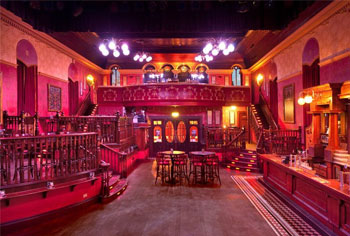
© The Belfast Empire
Wednesday 6 April 2022
Social Programme
The Microbiology Society Annual Conference is a key feature in the calendar of a microbiologist – from undergraduates to those more established in their career.
The scientific event is designed to provide ample opportunities for formal networking for both these groups at the meeting itself. Just as importantly however, the social programme offers informal opportunities for delegates to make new friends, forge future collaborations and have fun.
Below you can find out more about the social programme for Belfast. Please note, social activities take place in external venues, which are not subject to the Society's framework for mitigating against COVID-19.
We do however encourage attendees to take personal responsibility when attending the social events and continue to follow to the framework where possible.
Social 1: Early Career Microbiologists' pre-Conference networking (Sold out)
Sunday 3 April 2022
Time:18:00–20:00
Location: Granny Annie’s, 81 Chichester Street, Belfast BT1 4JE
The Early Career Microbiologists' (ECM) Forum Executive Committee will be hosting an evening of interactive games and networking on the evening before the main event.
Participants will have the opportunity to take part in games and get to know other delegates, including senior members of the Society and ECM Forum members. This event will be a great way to meet potential collaborators and scientists from the breadth of the microbiology discipline at different career levels.
Oozing rustic charm and just five minutes’ walk from Belfast ICC; Granny Annie’s is the perfect venue to start your week at Conference.
Please note, only ticket holders will be able to attend this event. The ticket includes welcome drinks and some finger food.
Social 2: 'The Belfast Story’ (Cultural Show; Sold out)
Monday 4 April 2022
Time: doors open from 19:45–22:30 (show starts from 20:15)
Location: The Dark Horse, 30 Hill Street, Belfast BT1 2LB
No visit to Belfast is complete without a world class evening with a Belfast drink, some local delicacies and Belfast entertainment in the cities most exclusive venue The Dark Horse.
This social event will showcase the history of the great city with a cultural show 'The Belfast Story'. The storyteller, world class Irish dancers and musicians will make this an event to remember in the city of life, Belfast. The show will start at 20:15.
Please note, only ticket holders will be able to attend this event. The ticket includes includes a local welcome drink and some local delicacies.
Social 3: Microbiology 75th Anniversary drinks reception (Sold out)
Tuesday 5 April 2022
Time: 20:00–21:30
Location: Belfast City Hall, Donegall Square S, Belfast, BT1 5GS
Please note, you will need to enter via Donegall Square S facing Linenhall Street where there will be an archway manned by security.
In 2022 Microbiology, the Microbiology Society’s first journal, celebrates its 75th anniversary and we would like to invite you to join us at the magnificent Belfast City Hall.
Here you will have the opportunity to meet the Editors of Microbiology as well as other delegates and members of the Microbiology Society, and ask any questions that you may have about publishing for the community.
Whether you have been involved with the journal before as an Editor, reviewer, or author, or are yet to get involved, we welcome you to join us for an evening of celebrating Microbiology and the community that has supported it for the past 75 years.
The ticket includes drinks and canapés. Please note: tickets for this event are now sold out.
We thank Belfast City Council for their kind generosity for the use of City Hall.
Social 4: Quiz night (Sold out)
Wednesday 6 April 2022
Time: doors open from 20:00–23:00 (quiz starts from 20:30)
Location: The Belfast Empire, 42 Botanic Avenue, Belfast BT7 1JQ
The ever-popular Society annual quiz is back this year and will be taking place at the Belfast Empire which is at the heartbeat of Belfast’s live music scene.
Meet old and new friends and get together in teams of six+ to try to compete to secure the prized Society medal. If you are attending alone or in a smaller team, you will be able to join up with others to form a team on the night.
The quiz will be held in the private Music Hall starting at 20:30.
Please note, only ticket holders will be able to attend this event. The ticket includes a welcome drink and a small food buffet.
Exhibition & Sponsorship
Annual Conference 2022 Exhibition and Sponsorship Pack
Floorplan – stand availability
All our exhibition stands have now sold out.
If you have missed out on exhibiting at Conference, there are still a number of sponsorship opportunities available. We would like to invite companies and organisations who are interested to please download our sponsorship pack or contact [email protected] to discuss packages. We also hold a number of other events throughout the year where you can exhibit or sponsor at. Full details can be found on our exhibitor and sponsorships page.
The exhibition is located in a high-traffic area, where all conference meals, coffee breaks and drinks receptions will be held, offering an excellent opportunity to showcase your products, interact with conference delegates and generate leads.
There are packages to suit varying budgets and promotional requirements, including our new Careers Fair and ‘spotlight spot’. The careers fair offers you the opportunity to present in breakout sessions and is designed so you can engage with postdoctoral researchers looking to learn more about the industry, your company and potential job opportunities.
Annual Conference 2022 Exhibition and Sponsorship Pack
Floorplan – stand availability
Exhibitors

|

|

|

|

|

|

|

|

|

|

|

|

|

|

|

|

|

|

|

|

|

|

|

|

|
|
|
Sponsors

|

|

|

|

|

|

|
|
Actions to mitigate against COVID-19
We continue to plan to return to an in-person meeting at the ICC Belfast for our Annual Conference 2022. For more information on actions to mitigate against COVID-19, please see our venue safety FAQs within the overview tab. If you have specific queries about the exhibition please contact Vicky McCulloch, Head of Promotions and Marketing at [email protected].
Technology
Enhanced digital experience
Following the popularity of the Society’s virtual events over the past 18 months, we are retaining some of the best online elements as part of our ‘enhanced digital experience’ for Annual Conference 2022. This includes a mobile event app and a virtual event platform, hosting an e-poster directory and legacy content from Conference.