
Overview
The Microbiology Society Annual Conference 2023 will take place Monday 17 April–Thursday 20 April 2023 at Birmingham International Convention Centre.
The Conference takes place over four days and consists of scientific symposia, workshops, fora, professional development sessions, Prize Lectures, Hot Topics and much more.
Further information will be announced in the build up to the meeting on our social media channels and you can follow us on Twitter @MicrobioSoc using the hashtag #Microbio23
COVID-19 Policy 2023
As part of the preparations for Microbiology Society events due to be held in 2023, the Microbiology Society Council has further discussed the implementation of SARS-CoV-2/COVID-19 mitigations and has agreed the following:
Attendance at any Microbiology Society event is a personal choice and Council expects delegates to take personal responsibility for their actions in relation to minimising the spread of SARS-CoV-2. The Microbiology Society will continue to ensure adequate ventilation at our venues, with real-time monitoring of CO2 levels where appropriate, and increased spacing particularly during communal activities. We strongly urge all delegates to ensure they are as fully vaccinated as practicable, which we recognise will depend on their age and home country, and to test before travelling to our events. Delegates should not attend if they test positive for SARS-CoV-2 infection. In addition, should they wish to delegates should feel comfortable to wear a mask in any of our venues. Masks (FFP3) and lateral flow tests will be made available upon request at all Society events should any delegates feel unwell and wish to make use of them, although these will not be routinely supplied in delegate bags.
The Microbiology Society Council will continue to monitor the situation and update these mitigations as required.Commercial publisher attendance at Annual Conference
The Microbiology Society is a charitable membership organisation and our Annual Conference is run for the benefit of our members and the wider microbiology community. This event is supported by revenue generated from our journals. We therefore request that any delegates working for commercial publishers or competing Society publishers do not engage in any promotional or commissioning work for their own journals while at the meeting. If delegates do engage in any promotional activities, they may be asked to leave the event.
Image credit: iStock/Giuseppe Miglino
Programme
Session View
Monday 17 April, Morning
Infection forum
-
Procalcitonin-guided antibiotic stewardship in patients with cancer
-
Offered talk: The elephant in the Salmonella room: an integrated approach identifies clade-specific signatures of invasive Salmonella Enteritidis
-
Offered talk: Distinct ecological fitness factors co-ordinated by a conserved Escherichia coli regulator during systemic bloodstream infection
-
Offered talk: Drosophila versus Mycobacteria: Using host-pathogen interactions to study physiology and pathogenesis of Mycobacterium abscessus
-
Break
-
A novel viral challenge model for investigating respiratory virus transmission
-
Offered talk: Secrets of Tears: Host-pathogen Interactions in Ocular Chlamydia Infections
-
Offered talk: The use of 3D tissue-engineered models of human tonsil to study group A Streptococcus (Strep A) infection mechanisms
Microbiology meets machine learning
-
Chair(s): Gerald Barry (University College Dublin, Ireland), Florence Abram (University of Galway, Ireland) and Joe Grove (University of Glasgow, UK)
-
Dimensionality reduction and hierarchy in machine learning for microbial genomics
-
Offered talk: Deep Learning and Single Cell Phenotyping for Rapid Antimicrobial Susceptibility Testing
-
Offered talk: Dissecting Salmonella typhimurium host specificity with machine learning
-
Microbiome data integration: tools and techniques
-
Break
-
Genomics, sensing technology and machine learning-powered surveillance of AMR in complex connected environments in China
-
Offered talk: Studying the history of oxygen adaptation in Bacteria using phylogenomics and machine learning
-
Machine learning for predicting phenotype from genotype: how well do algorithms capture causal mechanisms?
Microns apart: viral organisation of a crowded cell
-
Chair(s): Rachel Edgar (Imperial College London, UK) & Dalan Bailey (The Pirbright Institute ,UK)
-
Reorganisation of the nuclear transcriptional apparatus and HSV-induced processing platforms during initiation of Infection, its a crowded place
-
Modulation of phase separation: from fundamental discoveries to novel therapeutic opportunities
-
Offered paper: KSHV drives the formation of paraspeckle-like condensates to act as novel hubs for RNA processing and splicing
-
Break
-
The lipid droplet compartment in viral infections
-
Offered paper: Phenotypic analysis of SARS-CoV-2 chimeras reveals the plasticity of Spike proteins and their role in virus virulence
-
Understanding Coronavirus Replication Organelle Structure, Formation and Function
Plant-microbe interactions
-
Chair(s): Andrew Armitage (University of Greenwich, UK) and Ciara Keating (University of Glasgow, UK)
-
A Devil's Bargain for rapid plant pathogen adaptation
-
How important are wild hosts in driving the evolutionary potential of pandemic lineages of the blast fungus?
-
Identification and characterisation of Zymoseptoria tritici effectors
-
Break
-
Chair(s): Nik Grunwald (USDA ARS, USA) and Ciara Keating (University of Glasgow, UK)
-
Offered talk: Diversity, pathogenicity and stability of Pseudomonas population over distance, time and environment
-
Offered talk: Chemical cues from bark boring beetle larvae trigger the proliferation of Brenneria goodwinii, the main bacterial pathogen in Acute Oak Decline
-
Offered talk: Characterisation of apple and strawberry powdery mildew effector candidates
-
Offered talk: Transcription factors promoting effector gene expression in Blumeria haustoria for barley powdery mildew virulence
Monday 17 April, Afternoon
Climate change impact on eukaryotic microbial organisms
-
Offered talk: Unique Lipids from Symbiotic Dinoflagellates Defines Thermal Resistance in Reef Building Corals
-
Climate Change: One small step for fungi. One giant leap for mycotoxin.
-
Impact of climate change on vector-borne diseases, an overview
-
Break
-
The Global Movement of Crop Pathogens: Perils, Predictions and Climate Change
Infection forum
-
Anatomy of the Newly Emergent emm1 Streptococcus pyogenes sublineage M1UK
-
Offered talk: The host signal bile modulates biofilm formation, morphology, and antimicrobial tolerance in yeast and fungal respiratory pathogens
-
Offered talk: Distinct gene expression profiles between human preterm-derived and adult-derived intestinal organoids
-
Break
-
A Bone to Pick: Optimising Microbiological Diagnosis in Minor Diabetic Foot Amputations
-
Offered talk: Evolutionary divergence between microbiota and pathogen leads to greater antagonism
-
Offered talk: Implementation and expansion of GenoTyphi in Mykrobe, for improved rapid genomic surveillance of Salmonella Typhi
-
Offered talk: Klebsiella-human endothelial cells battleground: The T6SS counteracts a novel intrinsic endothelial cell defence mechanism
Microbiology meets machine learning
-
Chair(s): Gerald Barry (University College Dublin, Ireland), Florence Abram (University of Galway, Ireland) and Joe Grove (University of Glasgow, UK)
-
Phages meet machine learning: three examples of machine learning in the phage field
-
Offered talk: AlphaFold structure prediction reveals a novel membrane fusion mechanism shared across the hepaci, pegi and pestiviruses
-
Identifying and prioritising zoonotic viruses using genomic signatures
-
Break
-
Inferring host potential directly from viral genomes through computational learning
-
Offered talk: Finding Human: Deep Learning Neural Networks for Human Read Identification from Metagenomic Samples
-
Prediction-powered inference and design
Microns apart: viral organisation of a crowded cell
-
Chair(s): David Hughes (University of St Andrews, UK) & Carlos Maluquer de Motes (University of Surrey, UK)
-
Visualizing Budding Process of Chikungunya Virus on the Plasma Membrane of Virus-Infected Cells
-
Offered paper: The role of the cGAS/STING pathway in DNA sensing of HSV-1 replication in keratinocytes
-
Offered paper: IFN-I globally remodels the cellular RNA-bound proteome and activates the novel antiviral protein MATR3
-
Break
-
Biophysical changes in membrane structure and dynamics underpin the mechanism of arenavirus restriction factors
-
Offered paper: Spatial organisation of RSV IBs into bi-phasic biomolecular condensates compartmentalises viral mRNA transcription and translation initiation
-
Rules for hardening influenza A virus liquid condensates
Plant-microbe interactions
-
Chair(s): Gary Foster (University of Bristol, UK) and Ziyue Zeng (NIAB, UK)
-
Modularity-driven diversification of pathogen effectors
-
Patterns and processes involved in emergence of the sudden oak death pathogen Phytophthora ramorum
-
Break
-
Chair(s): Wenbo Ma (The Sainsbury Laboratory, UK) and Ziyue Zeng (NIAB, UK)
-
Cassava brown streak disease : Half time score ~ Ham 1 Scientists 0
-
Under attack by a cereal killer: the hunt for disease susceptibility factors
-
Offered talk: Understanding mechanisms behind interactions of yeast-like fungi in the order Taphrinales with the model plant Arabidopsis thaliana
Tuesday 18 April, Morning
Chronomicrobiology: Timing is everything!
-
Circadian regulation of the cell division cycle in cyanobacteria
-
Temporal Coordination of Diverse Cell-Cell Communication Systems in the human pathogen Streptococcus pneumoniae
-
In vitro and in vivo regulation of pneumococcal galactose catabolic pathways
-
Break
-
Principles of circadian organisation exemplified in Bacillus subtilis
-
Offered talk: Investigating the role of cellular clocks in Staphylococcus aureus infections
Genetics and genomics forum
-
Offered talk: Flagella modifying genes alter C. jejuni sensitivity to host immune effectors
-
Offered talk: The genomic epidemiology of hypervirulent Klebsiella pneumoniae causing bloodstream infections in Vietnam between 2010 and 2020
-
Offered talk: Adaptive evolution of Staphylococcus aureus in response to commensal skin microbes
-
Offered talk: The diverse T7SS of Listeria monocytogenes and its toxin substrates
-
Offered talk: Investigating the role of Genomic Rearrangements in Transmission, Infection and Chronic Carriage of Salmonella Typhi
-
Break
-
Offered talk: Why do bacterial pangenomes vary across species?
-
Offered talk: Leveraging eco-evolutionary dynamics of mesocosms to identify ecologically relevant mobile elements
-
Offered talk: Hot or Not: The Evolutionary and Ecological Consequences of Having a Mutational Hotspot or Not in an Evolving Gene Regulatory Network
-
Offered talk: A system biology approach to study microbial adaptation to global warming
Microbes and their metabolites underpinning host-microbe interactions
-
Chair(s): Katherine R. Duncan (University of Strathclyde, UK) and Bruno Francesco Rodrigues de Oliveira (Fluminense Federal University, Brazil)
-
Defensive mutualisms in plants and animals
-
Offered talk: A role for microbiome derived metabolites in type-2 diabetes
-
Specialized metabolites in stingless bees’ microbiomes
-
Break
-
Silent, Cryptic, or Orphan: Interrogating Specialized Metabolite Production in Complex Host-Microbe Symbioses
-
Offered talk: Elucidating the pathways to human malodour formation involving Staphylococci and Corynebacteria
-
Offered talk: Control of resistance against bacteriophage killing by a metabolic regulator in meningitis-associated Escherichia coli
Microns apart: viral organisation of a crowded cell
-
Chair(s): Dalan Bailey (The Pirbright Institute ,UK) & Rachel Edgar (Imperial College London, UK)
-
Dissecting viral infection dynamics and virus-host interactions using live-cell single-molecule imaging
-
"Locking on" to the early stages of the virus-cell interaction with active-feedback microscopy
-
Offered paper: An E3-ubiquitin ligase masquerading as a proviral RNA-binding protein that regulates influenza A virus mRNA
-
Break
-
The macromolecular landscape of nidovirus replication organelles
-
Offered paper: Characterization of the assembly pathway of group A rotavirus - integrating in situ tomographic analysis with genetic and inhibitor-based blocks to understand the assembly of the triple layered capsid
-
Insights into plant RNA virus targeted replication through live-cell RNA imaging
Secondary adaptations: the fuel of diversification in parasites and protists
-
The malaria parasite’s changing cytoskeleton adapts cell shape to suit environmental niche
-
Offered talk: C. albicans as a pioneer organism to accelerate polymicrobial biofilm formation on airway management devices
-
Stealing and Dealing: Eukaryotic strategies to live without oxygen
-
Break
-
Divergent mitochondrial biology of Apicomplexa
-
Offered talk: Understanding persistence of multi-drug resistant Candida auris in environmental mesocosms
Tuesday 18 April, Afternoon
Clinical virology workshop
-
Chair(s): Tamyo Mbisa (UK Health Security Agency, UK) & Stephen Winchester (Frimley Park Hospital NHS Foundation Trust, UK)
-
Offered talk: Development of a reference material for Mpox nucleic acid testing
-
Offered talk: Assessment of a lateral flow device for detection of mpox and other orthopoxviruses
-
Offered talk: Understanding the Serological Responses to Mpox Virus Infection and Smallpox Immunisation
-
Offered talk: Establishment of the level of anti-Chikungunya virus antibody required to confer protection against challenge in Macaca fascicularis
-
Offered talk: The Incidence of SARS-CoV-2 and Other Respiratory Viruses Among the Population in Jordan During the COVID-19 Pandemic
-
Offered talk: A decade of human adenovirus F40/41 genomic epidemiology and diversity in eastern England and coastal Kenya
-
Break
-
Offered talk: HCMV Encoded Interleukin-10 (vIL-10): Investigating its Suitability as a Novel Marker of Viral Reactivation in Renal Transplant Patients
-
Offered talk: Repeated episodes of cytomegalovirus viraemia in seronegative solid organ transplant recipients and the development of humoral and cell mediated immunity
-
Offered talk: The BKV viral serotype mismatch of the UK donor and renal transplant recipient population predicts post-transplant BKV viraemia
-
Offered talk: Replication and modelling of infectious airborne respiratory droplets in humans and animals
-
Offered talk: Improving delivery of a Zika virus plasmid DNA vaccine
-
Offered talk: The pathogenesis of HPV within the head and neck
Genetics and genomics forum2
-
Offered talk: Understanding the on switch: how a cluster-situated two-component system regulates formicamycin biosynthesis
-
Offered talk: Family disagreements: what do conflicts between whole-genome, core gene, MLST, and 16S classifications tell us about Streptomyces?
-
Offered talk: Revealing novel mechanisms of genome evolution in archaea
-
Offered talk: Investigating the impact of flocculation upon gene regulation by the Tup1-Cyc8 complex in Saccharomyces cerevisiae using a CYC8 conditional mutant
-
Break
-
Offered talk: To Catch a Killer: Killer Plasmid and Anticodon Nuclease Discovery, Characterization, and Phylogenetics
-
Offered talk: Restriction-modification systems have shaped the evolution and distribution of plasmids across bacteria
-
Offered talk: How do interactions between mobile genetic elements enhance microbial community resilience?
-
Offered talk: Diverse evolutionary paths led plasmid adaptation to the antibiotic era
-
Offered talk: Novel screen for barriers to resistance gene exchange reveals MRSA Transfer Island
Microbes and their metabolites underpinning host-microbe interactions
-
Chair(s): Sinéad C. Corr (Trinity College Dublin, Ireland) and Bruno Francesco Rodrigues de Oliveira (Fluminense Federal University, Brazil)
-
Taking a Microscale Look at Host-Microbe Interactions: Visualising Cells and Metabolites in One Picture
-
Chemical signalling within the rumen microbiome
-
Break
-
Offered talk: Exposing symbiosis: How selecting symbionts when free-living influences endo-symbiotic interactions
-
Chemical mediators at the interface between bacteria and host
-
The role of microbial metabolites in the health effects of diet
SARS-CoV-2 and Retrovirus; host-pathogen interactions
-
Chair(s): Harriet Groom (University of Cambridge, UK), Richard Stanton (Cardiff University, UK) and Tristan Russell (University College Dublin, Ireland)
-
Offered talk: Structural and functional analysis of KHNYN, a cofactor for ZAP antiviral activity
-
Offered talk: The V1/V2 loop is a major determinant of interferon and IFITM sensitivity in the HIV-1 Envelope
-
Offered talk: A Sarbecovirus isolated from UK bats is able to bind and enter cells using human ACE2
-
Offered talk: Investigating the molecular basis of attenuated replication of SARS-CoV-2 Omicron lineages in rodent models
-
Offered talk: Understanding the molecular determinants of SARS-CoV-2 entry pathway selection
-
Offered talk: The extracellular tail of IFITM3 promotes SARS-CoV-2 entry into cells and is diversifying in primates
-
Break
-
Offered talk: Prior Infection of WD-PBECs with SARS-CoV-2 alters RSV growth kinetics
-
Offered talk: Long Term Lung Pathology Following Infection with SARS-CoV-2
-
Offered talk: TMPRRS2-mediated SARS-CoV-2 uptake primes early activation of antiviral responses, impacting particle shedding dynamics and virus genome evolution
-
Offered talk: The ORF10 enigma, is it a structure that looks like an ORF, an ORF that looks like a structure or both?
-
Offered talk: Enhanced innate immune suppression by SARS-CoV-2 Omicron subvariants BA.4 and BA.5
SARS-CoV-2; Immunity and Therapeutics
-
Chair(s): Joe Grove (University of Glasgow, UK) and Goedele Maertens (Imperial College London, UK)
-
Offered talk: The SARS-CoV-2 protein ORF3c is a mitochondrial modulator of innate immunity
-
Offered talk: Analysis of antibody neutralisation activity against SARS-CoV-2 variants and seasonal human coronaviruses NL63, HKU1 and 229E induced by three different COVID-19 vaccine platforms
-
Offered talk: Developing Nanobodies as Therapeutics to SARS-CoV-2 and Henipaviruses
-
Offered talk: Efficient ADCC targeted against SARS-CoV-2 Spike requires both S1 and S2 reactivity, which also provides superior protection against virus evolution.
-
Offered talk: Complement Deposition and the Enhancement of Antibody Neutralisation in SARS-CoV-2 Vaccine Plasma
-
Offered talk: Characterisation of the SARS-CoV-2 Nsp14 proofreading exoribonuclease as a potential therapeutic target
-
Break
-
Offered talk: Evolution, Fast and Slow: SARS-CoV-2 in immunocompromised hosts
-
Offered talk: Proteomic analysis of circulating immune cells identifies novel cellular phenotypes associated with COVID-19 severity
-
Offered talk: Virus-mediated immunotherapy targeting Severe Acute Respiratory Syndrome Coronavirus 2
-
Offered talk: Cell Surface Nucleocapsid Protein: An Evolutionary Conserved Immunomodulatory Strategy of Betacoronaviruses?
-
Offered talk: SARS-CoV-2 population dynamics in immunocompetent individuals in a closed transmission chain shows genome diversity over the course of infection
-
Offered talk: Investigating coinfections of currently circulating influenza and SARS-CoV-2 in primary cultures of the human airway epithelium
-
Offered talk: Convergent evolution of SARS-CoV-2 variants of concern to enhance innate immune suppression
Secondary adaptations: the fuel of diversification in parasites and protists
-
Pros and cons of being a parasite learned from the structure of ribosomes from microsporidia
-
Infection of marine diatoms by Pirsonia diadema: a new model system to understand host-parasite interactions
-
Break
-
Origin and loss of plastids in the evolution of eukaryotes
-
A bacteria-derived metabolic pathway enables the uptake and assimilation of an alternative nitrogen-rich source in eukaryotic phytoplankton
Wednesday 19 April, Morning
A greener future: sustainable and scalable solutions in industrial microbiology and green pharma
-
Chair(s): Christopher Cooper (CHARM Therapeutics, UK; Prokaryotic Division), Ralf Takors (University of Stuttgart, Germany; EFB) and Arindam Mitra (Adamas University, India)
-
Discovery, engineering & application of multi-functional biocatalysts
-
Offered talk: C1-based optimisation of Streptomyces fermentation and downstream processing conditions for protein-based nano-coating and nano-adhesive applications
-
Sustainable fermentation of chemicals and material building blocks
-
Break
-
Developing algal solutions for a sustainable future
-
Digestate as a sustainable source of nutrients for large-scale algal cultivation
DNA viruses workshop
-
Offered paper: Differential immune modulation by high-risk human papillomavirus types 16 & 18
-
Offered paper: A role of FBXO22 in antiviral immunity and its antagonism by the orthopoxviruses
-
Offered paper: Investigating the function of HSV-1 pUL55, a novel immune evasion protein
-
Offered paper: Characterisation of the mechanism and function of DMXL1 degradation by HCMV
-
Offered paper: Human TRIM5α-mediated restriction of vaccinia virus
-
Offered paper: Localised topical microwaving reverses human papillomavirus (HPV) induced proliferation and immortalization in vitro in HPV-positive 3D epithelial raft tissues
-
Break
-
Offered paper: HDAC5 is a positive regulater of IRF3 activation and is targeted for degradation by vaccinia, monkeypox and variola viruses
-
Offered paper: Activation of cytosolic DNA sensing during Orthopoxvirus uncoating and replication
-
Offered paper: Innate immune sensing of viral DNA by DNA-PK in multiple species
-
Offered paper: The humoral immune repertoire observed in HCMV glycoprotein B vaccine recipients includes a protective response to an antigenic domain conserved across human herpesviruses
-
Offered paper: The pro-proliferative effects of the Hippo pathway effector TAZ in HPV18+ cervical cancer cells are mediated by the novel oncogene TOGARAM2
Microbial physiology, metabolism and molecular biology forum
-
Offered talk: Peptidoglycan in obligate intracellular bacteria
-
Offered talk: Spatiotemporal Localisation of Surface Layer Biosynthesis
-
Offered talk: Characterisation of TslA, a novel ‘reverse’ toxin of the Staphylococcus aureus Type VII Secretion System
-
Offered talk: Regulation of the essential cell wall component lipoteichoic acid by a small membrane protein in Staphylococcus aureus
-
Break
-
Offered talk: Unravelling the molecular mechanism of autoinhibition by Pseudomonas aeruginosa aminopeptidase leads to the development of a potent antibiofilm cyclic peptide
-
Offered talk: The global gene expression profile of community-acquired methicillin-resistant Staphylococcus aureus in response to copper
-
Offered talk: Autolysis triggered by LL-37 leads to accumulation of protective cell debris
Negative strand and double strand RNA virus workshop
-
Chair(s): David Hughes and Edward Wright
-
Offered paper: FISHtoFigure: A Single Molecule Fluorescent In Situ Hybridisation (smFISH) Analysis Tool For The Detection Of Transcriptional Activity In Tissues
-
Offered paper: Studying the role of viral and host factors in influenza virus RNA synthesis in vitro using virion-derived ribonucleoprotein complexes
-
Offered paper: Analysis of accessory gene products expressed by rotavirus segment 1
-
Offered paper: Filament formation creates influenza A virions with distinct compositions and structural features
-
Offered paper: The outcomes of bluetongue virus coinfections
-
Offered paper: Pandemic influenza A virus PB1 genes of avian origin and their effects on viral polymerase activity and pathogenicity
-
Break
-
Chair(s): Edward Wright and Eleanor Gaunt
-
Offered paper: Identification of cellular tropism for arthropod-borne bunyavirales in skin at insect bites
-
Offered paper: A Genome-Wide CRISPR Screen Identifies Novel Host Dependency Factors that Support hPIV3 Infection
-
Offered paper: The differential sensitivity of Parainfluenza virus 5 (PIV5) genes to IFIT1
-
Offered paper: Finding DRiPs, UFOs and potential accessory proteins in influenza A virus
-
Offered paper: Intersegmental RNA:RNA interactions can positively and negatively mediate genome packaging of live attenuated influenza vaccine viruses
Positive strand RNA viruses workshop
-
Chair(s): Dalan Bailey (The Pirbright Institute, UK) and Clive McKimmie (University of Leeds, UK)
-
Offered talk: Disruption of the s2m RNA structure in the avian coronavirus infectious bronchitis virus results in reduced clinical disease during in vivo infection
-
Offered talk: Structural similarity of flavivirus NS4A provides insights into NF-KB inhibition in insects
-
Offered talk: Alternative Splicing of an IFITM Gene Generates Broader Antiviral Coverage in Horseshoe Bat – Reservoir of SARS Coronaviruses
-
Offered talk: Primate interferon stimulated genes encode potent foot-and-mouth disease virus restriction factors
-
Offered talk: A potential universal method of attenuation for avian coronavirus
-
Offered talk: Barriers against zoonosis: Defining species-specific restriction factors against coronaviruses
-
Offered talk: Enhanced Hepatitis E virus infection and replication in polarised cell models
-
Break
-
Offered talk: Human microglia mediate type I interferon dependent protection of other CNS cell types to Zika virus infection
-
Offered talk: Understanding the role of dynamic secondary RNA replication elements within the replication cycle of chikungunya virus using cryo-EM
-
Offered talk: USUV persistence in the UK and its transmission networks
-
Offered talk: Potassium channel inhibitors potentially disrupt viral RNA synthesis to attenuate Semliki Forest virus replication
-
Offered talk: Viral diversity in the genus Fusarium
Teaching symposium
-
Chair(s): Alison Graham (Newcastle University, UK), Michael Dillon (University of Plymouth, UK) and Kirsty Jones (Staffordshire University, UK)
-
Innovative Teaching in Clinical Microbiology: The Pandemic & Beyond
-
Flash talk: Peer group interactions within a blended learning space, how students use social media to support their learning and student experience
-
Flash talk: Problem Based Learning in undergraduate immunology teaching
-
Flash talk: Student Perspectives on the Co-creation of Virtual Reality Simulations for Teaching and Learning in the Molecular Sciences
-
Using unique questions to provide robust and authentic online open book assessments
-
Break
-
Offered talk: Covid in the Time of Cholera: motivating students through development of authentic assessments in epidemiology (when everyone already knows what the R number means!)
-
Using technology to develop commercial awareness and digital interview skills for Life Sciences Students
-
Flash talk: Student-generated board game to promote understanding of the antibiotic development pipeline
-
Flash talk: Art and Science Case Study: Increasing public engagement in a non-science space and the impact on the audience demographic with students as presenters
-
Flash talk: Pedagogy Collection: An Innovative Teaching and Outreach Toolkit for Microbiology Educators
Tuberculosis: The forgotten pandemic
-
Chair(s): Dany Beste
-
Ecology and evolution of multidrug-resistant M. tuberculosis
-
Offered talk: Use of a rapid bacteriophage-based assay to detect low level, bacteraemia associated with TB infections in immuno-competent patients
-
Offered talk: Local immune response to Mycobacterium tuberculosis in pulmonary granulomas from experimentally infected rhesus macaques
-
Offered talk: A Galleria mellonella-Mycobacterium tuberculosis H37Rv infection model for virulence gene and anti-tuberculosis drug screening
-
Break
-
Modelling Mycobacterial Membranes: Anyone for PIMS?
-
Offered talk: Friend and foe? Novel cell wall hydrolases in mycobacterial physiology
-
Offered talk: N-acetylglucosamine-6-phosphate deacetylase (nagA) is essential for peptidoglycan derived amino sugar recycling in mycobacteria
-
Host Cell environments and antibiotic efficacy
Wednesday 19 April, Afternoon
A greener future: sustainable and scalable solutions in industrial microbiology and green pharma
-
Chair(s): John Morrissey (University College Cork, Ireland; EFB) and Jerry Reen (University College Cork, Ireland; Irish Division)
-
Offered talk: Yeast fermentation for the upcycling of PET monomers
-
Reprogramming Penicillium chrysogenum to produce the cholesterol lowering drug pravastatin
-
Offered talk: Biocompatible chemistry enables terephthalate-dependent cell growth and biosynthesis
-
Break
-
Reinventing Chemical Manufacturing Using Biotechnology: Manus Bio Approach
-
Offered talk: Identification of novel catabolic pathways for lignin fragment degradation in Pseudomonas putida KT2440 and Paenibacillus sp
-
Beer and Whisky: more complicated than you thought!
Demystifying science policy and politics: maximising the impact of your research in tackling AMR
-
Crash course – understanding and navigating parliament: how to influence the development and scrutiny of science policy
-
Crash course - why researchers need to engage in policy development both nationally and internationally
-
Q&A
-
Break
-
Case study 1: Raising awareness of AMR in UK Parliament
-
Case study 2: Working with policymakers to provide AMR education to healthcare professiionals
-
Case study 3: Working with policy stakeholders on the surveillance of AMR
-
Panel discussion
DNA viruses workshop
-
Offered paper: Hypoxia induces reactivation of latent human cytomegalovirus
-
Offered paper: The human cytomegalovirus pp65 protein targets the nucleosome acidic pocket to promote the establishment of viral latency
-
Offered paper: How BKPyV remodels Endoplasmic reticulum membrane contact sites during virus egress
-
Offered paper: Repression of CADM1 transcription by oncogenic HPV18 is induced by three-dimensional rearrangement of promoter-enhancer interactions
-
Offered paper: Comparative analysis of six alphaherpesvirus homologues of the HSV1 endoribonuclease protein, vhs
-
Offered paper: Strain-Dependent Restriction of Human Cytomegalovirus by Zinc Finger Antiviral Protein
-
Break
-
Offered paper: Remodelling of the human proteome during cell infection with modified vaccinia Ankara, the mpox vaccine
-
Offered paper: Atomic structure of a nudivirus occlusion body protein determined from a 70-year-old virus crystals
-
Offered paper: The role of myotubularins in vaccinia virus egress
-
Offered paper: Whole-genome CRISPR screens have identified druggable targets important for BKPyV replication
-
Offered paper: Stabilization of Focal Adhesions by HSV-1 pUL7:pUL51
Microbial physiology, metabolism and molecular biology forum
-
Offered talk: Dissection of BAM complex accessory subunit function in Escherichia coli
-
Offered talk: Characterization of a DNA-damage induced, SOS-dependent checkpoint that regulates sporulation in Streptomyces
-
Offered talk: Confirmation of transcriptional landscape of Treponema pallidum subsp. pallidum
-
Offered talk: Pyochelin biotransformation by Staphylococcus aureus shapes bacterial competition with Pseudomonas aeruginosa in polymicrobial infections
-
Break
-
Offered talk: Regulation of genetic flux by restriction modification systems in group A Streptococcus
-
Offered talk: Peptidoglycan hydrolase SagA is critical for growth of a commensal Enterococcus faecium strain, and facilitates antitumor activity through immune activation
-
Offered talk: Stringent response-mediated control of GTP homeostasis is required for long-term viability of Staphylococcus aureus
Negative strand and double strand RNA virus workshop
-
Chair(s): David Hughes and Eleanor Gaunt
-
Offered paper: Rift Valley fever virus outbreak preparedness: comparison and optimisation of pseudotyping systems as a safer alternative to live virus for neutralisation assays.
-
Offered paper: Exploring the molecular interactions underpinning bunyavirus replication in a cell line derived from Ixodes scapularis.
-
Offered paper: Computational analysis of secondary structure evolution in pandemic and emerging RNA virus genomes.
-
Offered paper: Clade 2.3.4.4b H5N1 highly pathogenic avian influenza virus (HPAIV) from the 2021/22 epizootic is highly duck adapted and poorly adapted to chickens
-
Offered paper: Functional characterisation of the Tilapia Lake Virus (TiLV) proteome
-
Offered paper: Lightsheet microscopy provides insights into spatial restrictions on within-host influenza virus interactions
-
Break
-
Offered paper: A unique immunotherapy combining uv-inactivated reovirus and the targeted agent sorafenib for the treatment of hepatocellular carcinoma
-
Offered paper: The IFN-inducible short isoform of NcoA7 promotes arenavirus infection
-
Offered paper: Cellular dynamics of the tick-borne Dabie bandavirus infection in tick Rhipicephalus microplus cells
-
Offered paper: Investigation of the Immune Response in Experimental and Natural Infection in Calves with Bovine Respiratory Disease Associated Viruses
-
Offered paper: An N-terminally extended NP arising from an upstream alternative AUG codon determines temperature sensitivity and pathogenicity of the 2009 pandemic Influenza A virus
Positive strand RNA viruses workshop
-
Chair(s): Helena Maier (The Pirbright Institute, UK) and Sam Wilson (University of Glasgow Centre for Virus Research, UK)
-
Offered talk: The N-terminal domain of the astrovirus polyprotein is essential for the membrane retention and functional integrity of replication complexes
-
Offered talk: Eeny, meeny, miny, moe: The remarkable plasticity of enterovirus genomes and their many sites of translation initiation
-
Offered talk: RNA packaging signals and the poly-C tract facilitate foot-and-mouth disease virus (FMDV) packaging
-
Offered talk: Determining the architecture of the Hepatitis C virus (HCV) replication complex
-
Offered talk: Two cellular AAA+ ATPases associate with rhinovirus non-structural proteins and are essential for the replication of rhinovirus species A and C
-
Offered talk: A novel role of the tRNA Ligase complex in the translation of viral RNA
-
Offered talk: The association between assembled virions and sites of replication in Foot-and-mouth disease virus infected cells
-
Break
-
Offered talk: The Second Open Reading Frame of the Nucleocapsid Gene of Coronaviruses is a Reservoir of Potential Accessory Proteins
-
Offered talk: The encephalomyocarditis virus frameshift protein 2B* temporally regulates lytic virus release
-
Offered talk: N6-methyladenosine modification is not a general trait of RNA viral genomes
-
Offered talk: Hepatitis C virus genotype 3: Understanding the role of non-structural protein 5A (NS5A) in the unique disease phenotype and drug resistance
-
Offered talk: Functional profiling of the Hepatitis E Virus pORF1 by transposon mutagenesis
Teaching symposium
-
Chair(s): Melissa Lacey (Sheffield Hallam University, UK), Monika Gostic (University of Aberdeen, UK) and Bridget Kelly (Dundalk Institute of Technology, Ireland)
-
Bridging Art and Science for Creative Learning in Microbiology
-
Engaging young people, students, and healthcare professionals to tackle antimicrobial resistance – initiatives, challenges, and successes
-
Break
-
Offered talk: How to Primary School Science in a post-pandemic world
-
Flash talk: Escape Lab: Bringing the investigative approach of antiviral drug discovery to the public in an escape room activity
-
Offered talk: HandsOnBiofilm! Citizen Science and Biofilm Literacy using Kombucha Pellicles
-
Offered talk: MicroCosmic: An Immersive SciArt Installation to Inspire Conversations with Young People About Bacteriophages as Microbial Puppet Masters
-
Round up
Tuberculosis: The forgotten pandemic
-
Metabolism in single mycobacterial cells
-
Offered talk: Metabolites tune the antibiotic susceptibility of Mycbacterium tuberculosis
-
Offered talk: The repression of efpA in M. tuberculosis reduces viability and prevents regrowth following isoniazid exposure
-
Break
-
The Aldehyde Hypothesis
-
ADP-ribosylation of DNA in Mycobacterium tuberculosis – from "how" to "why?"
-
Regulation and biogenesis of Fe-S clusters coordinate the persistence of Mycobacterium tuberculosis
Poster Presentations (Block B)
-
Teaching Symposium
-
Positive strand RNA viruses workshop
-
A greener future: sustainable and scalable solutions in industrial microbiology and green pharma
-
Negative strand and double strand RNA virus workshop
-
DNA viruses workshop
-
Tuberculosis: The forgotten pandemic
-
Antimicrobial resistance: from molecules to clinic, where are we now
-
Environmental and applied microbiology forum
-
Microbial physiology, metabolism and molecular biology forum
Thursday 20 April, Morning
Antimicrobial resistance: from molecules to clinic, where are we now?
-
Title TBC
-
Offered talk: Know your river – rivers as a resource for all
-
Pleiotropic effects of aneuploidy on antifungal stress resistance
-
Break
-
Evolutionary drivers of antibiotic resistance in ICU patient lungs
-
Offered talk: 16S RNA sequencing using Oxford Nanopore Technology in a clinical diagnostic setting: a new approach
-
Offered talk: Convergence of antibiotic resistance and virulence traits in Klebsiella pneumoniae through plasmid hybridisation in One Health settings
Environmental and applied microbiology forum
-
Chair(s): Georgios Efthimiou (University of Hull, UK) & Jennifer Mahony (University College Cork, Ireland)
-
Offered talk: Engineering a plant protective microbiome to control foodborne disease
-
Offered talk: Investigating the Efficacy of Disinfectants Against Different Salmonella Serovars
-
Offered talk: Positively charged nanoplastics inhibit planktonic and biofilm formation of Bacillus subtilis
-
Offered talk: Human bacterial pathogen survival and persistence on the surfaces of environmental microplastic pollution
-
Offered talk: Microplastics as vectors of antimicrobial resistance in aquatic systems
-
Break
-
Offered talk: Air pollution’s effect on microbial dynamics
-
Offered talk: Data Driven Discovery of Lasso Peptides with Therapeutic Applications
-
Flash talk: RODENTGATE – A European project on future rodent management for pig and poultry health
-
Flash talk: In vitro biofilm inhibition and prevention using phytic acid
-
Flash talk: He ain’t heavy, he’s my plasmid - fitness effects of an IncB/K/O/Z plasmid conveying cefotaxime resistance on plasmid naïve Escherichia coli strains
-
Flash talk: The Necrobiome: Analyzing Microbes Associated with Human Decomposition for Post-mortem Interval Estimation
-
Flash talk Q&A
Integrative virology: a celebration of multidisciplinarity
-
Chair(s): Edward Hutchinson (University of Glasgow, UK) and Tristan Russell (University College Dublin, Ireland)
-
Animating Viruses: Supporting Scientific Research Using 3D Animation
-
Offered paper: A novel cell cycle-dependent mechanism regulating antiviral innate immunity
-
How influenza A virus escapes the nucleus
-
Break
-
Chair(s): Joe Grove (University of Glasgow, UK) and Charlotte Uetrecht (Leibniz Institute of Virology, Germany)
-
Open-technology for Super-Resolution and Machine-Learning for Microbiology and Virology
-
Offered paper: Revealing the SARS-CoV-2 nucleocapsid-gRNA complex structure and assembly mechanism
-
Aspects of modelling the COVID-19 pandemic: getting the most out of the available data
Thursday 20 April, Afternoon
Antimicrobial resistance: from molecules to clinic, where are we now?
-
Phage therapy from Texas to Belgium—revitalization of personalized phage treatments in the West
-
Antibiotic resistance in clinical MRSA predates the antibiotic era
-
Break
-
Antifungal resistance, time to be scared
-
Offered talk: The Selective Effects of Diclofenac, Metformin, and 17-Beta-Estradiol, on Antimicrobial Resistance in Complex Bacterial Communities
-
Dissemination of carbapenem-resistant Gram-negative bacilli in clinical settings
Environmental and applied microbiology forum
-
Chair(s): Julie Morrisey (University of Leicester, UK), Jennifer Mahony (University College Cork, Ireland) & Georgios Efthimiou (University of Hull, UK)
-
Offered talk: Constructing a tuneable, transparent, imitative 3D culture platform to grow and image soil microbes
-
Offered talk: Investigating C. albicans/S. aureus dual species biofilm structures with Mesolens 3D imaging
-
Offered talk: Microbiome specificity of two marine sponge species and the potential for sponge- associated microbially mediated reductive dehalogenation
-
Offered talk: Synthesis of Bacterial Cellulose for Agricultural Applications from Household and Industrial Waste
-
Break
-
Offered talk: Methane production phenotypes linked to differences in the Adaptive Diversity of organisms in the Rumen Microbiome
-
Offered talk: Hydrogen production from genetically modified Escherichia coli and their use within biocoatings
-
Offered talk: The Evolution of Microbes on Plastic Polymers
-
Flash talk: The transcriptomic landscape of lignocellulose degradation by anaerobic gut fungi
-
Flash talk: Valorisation of underutilised dairy waste residues: production of lactic acid through microbial fermentation
-
Flash talk: Stable isotope probing of carbonyl sulfide and cyanate pathways in microbial thiocyanate degradation
-
Flash talk: Identification of functional group for the bioaccumulation and effect of lead (Pb) and copper (Cu) on Escherichia coli cells using Fourier transform infrared spectroscopy
-
Flash talk: Microbial community responses to alterations in historical fire regimes in montane grasslands
-
Flash talk Q&A
Integrative virology: a celebration of multidisciplinarity
-
Chair(s): Charlotte Uetrecht (Leibniz Institute of Virology, Germany) and Tristan Russell (University College Dublin, Ireland)
-
In Situ Dynamics Reveal Unseen Vulnerabilities of Viral Glycoproteins
-
Offered paper: Integrative modelling of influenza A virus particles
-
Offered paper: Design and Characterisation of Novel HIV Capsid Inhibitors
-
Using computational models to understand the outcomes of viral infections and interventions
-
Break
-
Chair(s): Edward Hutchinson (University of Glasgow, UK) and Joe Grove (University of Glasgow, UK)
-
Integrative virology reveals the regulatory roles of viral genomes in virus assembly and genome release
-
Offered paper: HSV-1 pUL21 competes directly with cellular adaptors to hijack phosphatase activity
-
An integrative approach to decipher viral protein-protein interactions and their structures
Lecture View
Monday 17 April
-
Opening Address and Hot Topic: A high efficacy malaria vaccine
-
Procalcitonin-guided antibiotic stewardship in patients with cancer
-
Dimensionality reduction and hierarchy in machine learning for microbial genomics
-
Reorganisation of the nuclear transcriptional apparatus and HSV-induced processing platforms during initiation of Infection, its a crowded place
-
A Devil's Bargain for rapid plant pathogen adaptation
-
Offered talk: The elephant in the Salmonella room: an integrated approach identifies clade-specific signatures of invasive Salmonella Enteritidis
-
Offered talk: Deep Learning and Single Cell Phenotyping for Rapid Antimicrobial Susceptibility Testing
-
Modulation of phase separation: from fundamental discoveries to novel therapeutic opportunities
-
How important are wild hosts in driving the evolutionary potential of pandemic lineages of the blast fungus?
-
Offered talk: Dissecting Salmonella typhimurium host specificity with machine learning
-
Offered talk: Distinct ecological fitness factors co-ordinated by a conserved Escherichia coli regulator during systemic bloodstream infection
-
Microbiome data integration: tools and techniques
-
Offered talk: Drosophila versus Mycobacteria: Using host-pathogen interactions to study physiology and pathogenesis of Mycobacterium abscessus
-
Offered paper: KSHV drives the formation of paraspeckle-like condensates to act as novel hubs for RNA processing and splicing
-
Identification and characterisation of Zymoseptoria tritici effectors
-
Break
-
Break
-
Break
-
Break
-
A novel viral challenge model for investigating respiratory virus transmission
-
Genomics, sensing technology and machine learning-powered surveillance of AMR in complex connected environments in China
-
The lipid droplet compartment in viral infections
-
Offered talk: Diversity, pathogenicity and stability of Pseudomonas population over distance, time and environment
-
Offered talk: Chemical cues from bark boring beetle larvae trigger the proliferation of Brenneria goodwinii, the main bacterial pathogen in Acute Oak Decline
-
Offered talk: Secrets of Tears: Host-pathogen Interactions in Ocular Chlamydia Infections
-
Offered talk: Studying the history of oxygen adaptation in Bacteria using phylogenomics and machine learning
-
Offered paper: Phenotypic analysis of SARS-CoV-2 chimeras reveals the plasticity of Spike proteins and their role in virus virulence
-
Offered talk: Characterisation of apple and strawberry powdery mildew effector candidates
-
Machine learning for predicting phenotype from genotype: how well do algorithms capture causal mechanisms?
-
Offered talk: The use of 3D tissue-engineered models of human tonsil to study group A Streptococcus (Strep A) infection mechanisms
-
Understanding Coronavirus Replication Organelle Structure, Formation and Function
-
Offered talk: Transcription factors promoting effector gene expression in Blumeria haustoria for barley powdery mildew virulence
-
Offered talk: Unique Lipids from Symbiotic Dinoflagellates Defines Thermal Resistance in Reef Building Corals
-
Anatomy of the Newly Emergent emm1 Streptococcus pyogenes sublineage M1UK
-
Phages meet machine learning: three examples of machine learning in the phage field
-
Visualizing Budding Process of Chikungunya Virus on the Plasma Membrane of Virus-Infected Cells
-
Modularity-driven diversification of pathogen effectors
-
Climate Change: One small step for fungi. One giant leap for mycotoxin.
-
Offered talk: The host signal bile modulates biofilm formation, morphology, and antimicrobial tolerance in yeast and fungal respiratory pathogens
-
Offered talk: AlphaFold structure prediction reveals a novel membrane fusion mechanism shared across the hepaci, pegi and pestiviruses
-
Offered paper: The role of the cGAS/STING pathway in DNA sensing of HSV-1 replication in keratinocytes
-
Patterns and processes involved in emergence of the sudden oak death pathogen Phytophthora ramorum
-
Identifying and prioritising zoonotic viruses using genomic signatures
-
Impact of climate change on vector-borne diseases, an overview
-
Offered talk: Distinct gene expression profiles between human preterm-derived and adult-derived intestinal organoids
-
Offered paper: IFN-I globally remodels the cellular RNA-bound proteome and activates the novel antiviral protein MATR3
-
Break
-
Break
-
Break
-
Break
-
Break
-
A Bone to Pick: Optimising Microbiological Diagnosis in Minor Diabetic Foot Amputations
-
Biophysical changes in membrane structure and dynamics underpin the mechanism of arenavirus restriction factors
-
Cassava brown streak disease : Half time score ~ Ham 1 Scientists 0
-
Inferring host potential directly from viral genomes through computational learning
-
The Global Movement of Crop Pathogens: Perils, Predictions and Climate Change
-
Offered talk: Evolutionary divergence between microbiota and pathogen leads to greater antagonism
-
Offered paper: Spatial organisation of RSV IBs into bi-phasic biomolecular condensates compartmentalises viral mRNA transcription and translation initiation
-
Under attack by a cereal killer: the hunt for disease susceptibility factors
-
Offered talk: Finding Human: Deep Learning Neural Networks for Human Read Identification from Metagenomic Samples
-
Offered talk: Implementation and expansion of GenoTyphi in Mykrobe, for improved rapid genomic surveillance of Salmonella Typhi
-
Rules for hardening influenza A virus liquid condensates
-
Prediction-powered inference and design
-
Offered talk: Klebsiella-human endothelial cells battleground: The T6SS counteracts a novel intrinsic endothelial cell defence mechanism
-
Offered talk: Understanding mechanisms behind interactions of yeast-like fungi in the order Taphrinales with the model plant Arabidopsis thaliana
-
Genetics and Genomics Forum
-
Microbes and their metabolites underpinning host-microbe interactions
-
Clinical virology workshop
-
SARS-CoV-2
-
Secondary adaptations: the fuel of diversification in parasites and protists
-
Microbiology meets machine learning
-
Plant-microbe interactions
-
Infection forum
-
Prize Medal 2023 Lecture: Perspectives on pandemics
Tuesday 18 April
-
Translational Microbiology Prize Lecture: SARS-CoV-2 variants and vaccines
-
Circadian regulation of the cell division cycle in cyanobacteria
-
Offered talk: Flagella modifying genes alter C. jejuni sensitivity to host immune effectors
-
Defensive mutualisms in plants and animals
-
Dissecting viral infection dynamics and virus-host interactions using live-cell single-molecule imaging
-
The malaria parasite’s changing cytoskeleton adapts cell shape to suit environmental niche
-
Offered talk: The genomic epidemiology of hypervirulent Klebsiella pneumoniae causing bloodstream infections in Vietnam between 2010 and 2020
-
Temporal Coordination of Diverse Cell-Cell Communication Systems in the human pathogen Streptococcus pneumoniae
-
Offered talk: Adaptive evolution of Staphylococcus aureus in response to commensal skin microbes
-
Offered talk: A role for microbiome derived metabolites in type-2 diabetes
-
"Locking on" to the early stages of the virus-cell interaction with active-feedback microscopy
-
Offered talk: C. albicans as a pioneer organism to accelerate polymicrobial biofilm formation on airway management devices
-
Offered talk: The diverse T7SS of Listeria monocytogenes and its toxin substrates
-
Specialized metabolites in stingless bees’ microbiomes
-
Stealing and Dealing: Eukaryotic strategies to live without oxygen
-
In vitro and in vivo regulation of pneumococcal galactose catabolic pathways
-
Offered talk: Investigating the role of Genomic Rearrangements in Transmission, Infection and Chronic Carriage of Salmonella Typhi
-
Offered paper: An E3-ubiquitin ligase masquerading as a proviral RNA-binding protein that regulates influenza A virus mRNA
-
Break
-
Break
-
Break
-
Break
-
Break
-
Principles of circadian organisation exemplified in Bacillus subtilis
-
Offered talk: Why do bacterial pangenomes vary across species?
-
Silent, Cryptic, or Orphan: Interrogating Specialized Metabolite Production in Complex Host-Microbe Symbioses
-
The macromolecular landscape of nidovirus replication organelles
-
Divergent mitochondrial biology of Apicomplexa
-
Offered talk: Leveraging eco-evolutionary dynamics of mesocosms to identify ecologically relevant mobile elements
-
Offered talk: Investigating the role of cellular clocks in Staphylococcus aureus infections
-
Offered talk: Hot or Not: The Evolutionary and Ecological Consequences of Having a Mutational Hotspot or Not in an Evolving Gene Regulatory Network
-
Offered talk: Elucidating the pathways to human malodour formation involving Staphylococci and Corynebacteria
-
Offered paper: Characterization of the assembly pathway of group A rotavirus - integrating in situ tomographic analysis with genetic and inhibitor-based blocks to understand the assembly of the triple layered capsid
-
Offered talk: Understanding persistence of multi-drug resistant Candida auris in environmental mesocosms
-
Offered talk: A system biology approach to study microbial adaptation to global warming
-
Offered talk: Control of resistance against bacteriophage killing by a metabolic regulator in meningitis-associated Escherichia coli
-
Insights into plant RNA virus targeted replication through live-cell RNA imaging
-
Rhythmicity of malaria parasites: How? Why? Huh?
-
Offered talk: Development of a reference material for Mpox nucleic acid testing
-
Offered talk: Understanding the on switch: how a cluster-situated two-component system regulates formicamycin biosynthesis
-
Taking a Microscale Look at Host-Microbe Interactions: Visualising Cells and Metabolites in One Picture
-
Offered talk: Structural and functional analysis of KHNYN, a cofactor for ZAP antiviral activity
-
Offered talk: The SARS-CoV-2 protein ORF3c is a mitochondrial modulator of innate immunity
-
Pros and cons of being a parasite learned from the structure of ribosomes from microsporidia
-
Understanding the publishing process
-
Offered talk: Assessment of a lateral flow device for detection of mpox and other orthopoxviruses
-
Offered talk: The V1/V2 loop is a major determinant of interferon and IFITM sensitivity in the HIV-1 Envelope
-
Offered talk: Analysis of antibody neutralisation activity against SARS-CoV-2 variants and seasonal human coronaviruses NL63, HKU1 and 229E induced by three different COVID-19 vaccine platforms
-
Offered talk: Family disagreements: what do conflicts between whole-genome, core gene, MLST, and 16S classifications tell us about Streptomyces?
-
Offered talk: Understanding the Serological Responses to Mpox Virus Infection and Smallpox Immunisation
-
Offered talk: A Sarbecovirus isolated from UK bats is able to bind and enter cells using human ACE2
-
Offered talk: Developing Nanobodies as Therapeutics to SARS-CoV-2 and Henipaviruses
-
Circadian Repression, Compensation, and Intracellular Localization of Clock Components in Neurospora
-
Offered talk: Revealing novel mechanisms of genome evolution in archaea
-
Chemical signalling within the rumen microbiome
-
Infection of marine diatoms by Pirsonia diadema: a new model system to understand host-parasite interactions
-
Publishing ethics - interactive session
-
Offered talk: Establishment of the level of anti-Chikungunya virus antibody required to confer protection against challenge in Macaca fascicularis
-
Offered talk: Investigating the molecular basis of attenuated replication of SARS-CoV-2 Omicron lineages in rodent models
-
Offered talk: Efficient ADCC targeted against SARS-CoV-2 Spike requires both S1 and S2 reactivity, which also provides superior protection against virus evolution.
-
Offered talk: Investigating the impact of flocculation upon gene regulation by the Tup1-Cyc8 complex in Saccharomyces cerevisiae using a CYC8 conditional mutant
-
Offered talk: The Incidence of SARS-CoV-2 and Other Respiratory Viruses Among the Population in Jordan During the COVID-19 Pandemic
-
Offered talk: Understanding the molecular determinants of SARS-CoV-2 entry pathway selection
-
Offered talk: Complement Deposition and the Enhancement of Antibody Neutralisation in SARS-CoV-2 Vaccine Plasma
-
Break
-
Offered talk: A decade of human adenovirus F40/41 genomic epidemiology and diversity in eastern England and coastal Kenya
-
Break
-
Break
-
Offered talk: The extracellular tail of IFITM3 promotes SARS-CoV-2 entry into cells and is diversifying in primates
-
Offered talk: Characterisation of the SARS-CoV-2 Nsp14 proofreading exoribonuclease as a potential therapeutic target
-
Break
-
Break
-
Break
-
Break
-
Break
-
Offered talk: To Catch a Killer: Killer Plasmid and Anticodon Nuclease Discovery, Characterization, and Phylogenetics
-
Offered talk: Exposing symbiosis: How selecting symbionts when free-living influences endo-symbiotic interactions
-
Origin and loss of plastids in the evolution of eukaryotes
-
Peer review - interactive session
-
The interplay between the circadian clock and viruses
-
Offered talk: HCMV Encoded Interleukin-10 (vIL-10): Investigating its Suitability as a Novel Marker of Viral Reactivation in Renal Transplant Patients
-
Offered talk: Restriction-modification systems have shaped the evolution and distribution of plasmids across bacteria
-
Chemical mediators at the interface between bacteria and host
-
Offered talk: Prior Infection of WD-PBECs with SARS-CoV-2 alters RSV growth kinetics
-
Offered talk: Evolution, Fast and Slow: SARS-CoV-2 in immunocompromised hosts
-
Offered talk: Repeated episodes of cytomegalovirus viraemia in seronegative solid organ transplant recipients and the development of humoral and cell mediated immunity
-
Offered talk: Long Term Lung Pathology Following Infection with SARS-CoV-2
-
Offered talk: Proteomic analysis of circulating immune cells identifies novel cellular phenotypes associated with COVID-19 severity
-
Offered talk: How do interactions between mobile genetic elements enhance microbial community resilience?
-
A bacteria-derived metabolic pathway enables the uptake and assimilation of an alternative nitrogen-rich source in eukaryotic phytoplankton
-
Offered talk: The BKV viral serotype mismatch of the UK donor and renal transplant recipient population predicts post-transplant BKV viraemia
-
Offered talk: TMPRRS2-mediated SARS-CoV-2 uptake primes early activation of antiviral responses, impacting particle shedding dynamics and virus genome evolution
-
Offered talk: Virus-mediated immunotherapy targeting Severe Acute Respiratory Syndrome Coronavirus 2
-
Offered talk: Diverse evolutionary paths led plasmid adaptation to the antibiotic era
-
The role of microbial metabolites in the health effects of diet
-
Editor Q&A
-
Offered talk: Replication and modelling of infectious airborne respiratory droplets in humans and animals
-
Offered talk: The ORF10 enigma, is it a structure that looks like an ORF, an ORF that looks like a structure or both?
-
Offered talk: Cell Surface Nucleocapsid Protein: An Evolutionary Conserved Immunomodulatory Strategy of Betacoronaviruses?
-
Offered talk: Novel screen for barriers to resistance gene exchange reveals MRSA Transfer Island
-
Offered talk: Improving delivery of a Zika virus plasmid DNA vaccine
-
Offered talk: Enhanced innate immune suppression by SARS-CoV-2 Omicron subvariants BA.4 and BA.5
-
Offered talk: SARS-CoV-2 population dynamics in immunocompetent individuals in a closed transmission chain shows genome diversity over the course of infection
-
Offered talk: The pathogenesis of HPV within the head and neck
-
Offered talk: Investigating coinfections of currently circulating influenza and SARS-CoV-2 in primary cultures of the human airway epithelium
-
Offered talk: Convergent evolution of SARS-CoV-2 variants of concern to enhance innate immune suppression
-
Marjory Stephenson Prize Lecture: Sequencing Microbes for Better Human Health
Wednesday 19 April
-
Peter Wildy Prize Lecture: Expanding access to microbiology and genomic research increases creativity
-
Discovery, engineering & application of multi-functional biocatalysts
-
Offered paper: Differential immune modulation by high-risk human papillomavirus types 16 & 18
-
Offered talk: Peptidoglycan in obligate intracellular bacteria
-
Offered paper: FISHtoFigure: A Single Molecule Fluorescent In Situ Hybridisation (smFISH) Analysis Tool For The Detection Of Transcriptional Activity In Tissues
-
Offered talk: Disruption of the s2m RNA structure in the avian coronavirus infectious bronchitis virus results in reduced clinical disease during in vivo infection
-
Innovative Teaching in Clinical Microbiology: The Pandemic & Beyond
-
Ecology and evolution of multidrug-resistant M. tuberculosis
-
Offered paper: A role of FBXO22 in antiviral immunity and its antagonism by the orthopoxviruses
-
Offered paper: Studying the role of viral and host factors in influenza virus RNA synthesis in vitro using virion-derived ribonucleoprotein complexes
-
Offered talk: Structural similarity of flavivirus NS4A provides insights into NF-KB inhibition in insects
-
Offered talk: Spatiotemporal Localisation of Surface Layer Biosynthesis
-
Offered paper: Investigating the function of HSV-1 pUL55, a novel immune evasion protein
-
Offered paper: Analysis of accessory gene products expressed by rotavirus segment 1
-
Offered talk: Alternative Splicing of an IFITM Gene Generates Broader Antiviral Coverage in Horseshoe Bat – Reservoir of SARS Coronaviruses
-
Offered talk: C1-based optimisation of Streptomyces fermentation and downstream processing conditions for protein-based nano-coating and nano-adhesive applications
-
Introduction to the Members Panel
-
Offered talk: Characterisation of TslA, a novel ‘reverse’ toxin of the Staphylococcus aureus Type VII Secretion System
-
Flash talk: Peer group interactions within a blended learning space, how students use social media to support their learning and student experience
-
Offered talk: Use of a rapid bacteriophage-based assay to detect low level, bacteraemia associated with TB infections in immuno-competent patients
-
Flash talk: Problem Based Learning in undergraduate immunology teaching
-
Offered paper: Characterisation of the mechanism and function of DMXL1 degradation by HCMV
-
Offered paper: Filament formation creates influenza A virions with distinct compositions and structural features
-
Offered talk: Primate interferon stimulated genes encode potent foot-and-mouth disease virus restriction factors
-
Flash talk: Student Perspectives on the Co-creation of Virtual Reality Simulations for Teaching and Learning in the Molecular Sciences
-
Sustainable fermentation of chemicals and material building blocks
-
Microbiology is my profession; the ins and outs of an inclusive journey
-
Offered talk: Regulation of the essential cell wall component lipoteichoic acid by a small membrane protein in Staphylococcus aureus
-
Using unique questions to provide robust and authentic online open book assessments
-
Offered talk: Local immune response to Mycobacterium tuberculosis in pulmonary granulomas from experimentally infected rhesus macaques
-
Offered paper: Human TRIM5α-mediated restriction of vaccinia virus
-
Offered paper: The outcomes of bluetongue virus coinfections
-
Offered talk: A potential universal method of attenuation for avian coronavirus
-
Offered paper: Localised topical microwaving reverses human papillomavirus (HPV) induced proliferation and immortalization in vitro in HPV-positive 3D epithelial raft tissues
-
Break
-
Offered paper: Pandemic influenza A virus PB1 genes of avian origin and their effects on viral polymerase activity and pathogenicity
-
Offered talk: Barriers against zoonosis: Defining species-specific restriction factors against coronaviruses
-
Offered talk: A Galleria mellonella-Mycobacterium tuberculosis H37Rv infection model for virulence gene and anti-tuberculosis drug screening
-
Break
-
Break
-
Offered talk: Enhanced Hepatitis E virus infection and replication in polarised cell models
-
Break
-
Break
-
Break
-
Break
-
Break
-
Modelling Mycobacterial Membranes: Anyone for PIMS?
-
Developing algal solutions for a sustainable future
-
Offered paper: HDAC5 is a positive regulater of IRF3 activation and is targeted for degradation by vaccinia, monkeypox and variola viruses
-
Panel discussion with audience Q&A
-
Offered talk: Unravelling the molecular mechanism of autoinhibition by Pseudomonas aeruginosa aminopeptidase leads to the development of a potent antibiofilm cyclic peptide
-
Offered paper: Identification of cellular tropism for arthropod-borne bunyavirales in skin at insect bites
-
Offered talk: Human microglia mediate type I interferon dependent protection of other CNS cell types to Zika virus infection
-
Offered talk: Covid in the Time of Cholera: motivating students through development of authentic assessments in epidemiology (when everyone already knows what the R number means!)
-
Offered paper: Activation of cytosolic DNA sensing during Orthopoxvirus uncoating and replication
-
Offered paper: A Genome-Wide CRISPR Screen Identifies Novel Host Dependency Factors that Support hPIV3 Infection
-
Offered talk: Understanding the role of dynamic secondary RNA replication elements within the replication cycle of chikungunya virus using cryo-EM
-
Offered talk: The global gene expression profile of community-acquired methicillin-resistant Staphylococcus aureus in response to copper
-
Using technology to develop commercial awareness and digital interview skills for Life Sciences Students
-
Offered talk: Friend and foe? Novel cell wall hydrolases in mycobacterial physiology
-
Offered paper: Innate immune sensing of viral DNA by DNA-PK in multiple species
-
Offered paper: The differential sensitivity of Parainfluenza virus 5 (PIV5) genes to IFIT1
-
Offered talk: USUV persistence in the UK and its transmission networks
-
Digestate as a sustainable source of nutrients for large-scale algal cultivation
-
Offered talk: Autolysis triggered by LL-37 leads to accumulation of protective cell debris
-
Offered talk: N-acetylglucosamine-6-phosphate deacetylase (nagA) is essential for peptidoglycan derived amino sugar recycling in mycobacteria
-
Offered paper: The humoral immune repertoire observed in HCMV glycoprotein B vaccine recipients includes a protective response to an antigenic domain conserved across human herpesviruses
-
Offered paper: Finding DRiPs, UFOs and potential accessory proteins in influenza A virus
-
Offered talk: Potassium channel inhibitors potentially disrupt viral RNA synthesis to attenuate Semliki Forest virus replication
-
Flash talk: Student-generated board game to promote understanding of the antibiotic development pipeline
-
Host Cell environments and antibiotic efficacy
-
Offered paper: The pro-proliferative effects of the Hippo pathway effector TAZ in HPV18+ cervical cancer cells are mediated by the novel oncogene TOGARAM2
-
Offered paper: Intersegmental RNA:RNA interactions can positively and negatively mediate genome packaging of live attenuated influenza vaccine viruses
-
Offered talk: Viral diversity in the genus Fusarium
-
Flash talk: Art and Science Case Study: Increasing public engagement in a non-science space and the impact on the audience demographic with students as presenters
-
Flash talk: Pedagogy Collection: An Innovative Teaching and Outreach Toolkit for Microbiology Educators
-
Offered talk: Yeast fermentation for the upcycling of PET monomers
-
Crash course – understanding and navigating parliament: how to influence the development and scrutiny of science policy
-
Offered paper: Hypoxia induces reactivation of latent human cytomegalovirus
-
Offered talk: Dissection of BAM complex accessory subunit function in Escherichia coli
-
Offered paper: Rift Valley fever virus outbreak preparedness: comparison and optimisation of pseudotyping systems as a safer alternative to live virus for neutralisation assays.
-
Offered talk: The N-terminal domain of the astrovirus polyprotein is essential for the membrane retention and functional integrity of replication complexes
-
Bridging Art and Science for Creative Learning in Microbiology
-
Metabolism in single mycobacterial cells
-
Offered paper: The human cytomegalovirus pp65 protein targets the nucleosome acidic pocket to promote the establishment of viral latency
-
Offered paper: Exploring the molecular interactions underpinning bunyavirus replication in a cell line derived from Ixodes scapularis.
-
Offered talk: Eeny, meeny, miny, moe: The remarkable plasticity of enterovirus genomes and their many sites of translation initiation
-
Reprogramming Penicillium chrysogenum to produce the cholesterol lowering drug pravastatin
-
Offered talk: Characterization of a DNA-damage induced, SOS-dependent checkpoint that regulates sporulation in Streptomyces
-
Offered paper: How BKPyV remodels Endoplasmic reticulum membrane contact sites during virus egress
-
Offered paper: Computational analysis of secondary structure evolution in pandemic and emerging RNA virus genomes.
-
Offered talk: RNA packaging signals and the poly-C tract facilitate foot-and-mouth disease virus (FMDV) packaging
-
Crash course - why researchers need to engage in policy development both nationally and internationally
-
Offered talk: Confirmation of transcriptional landscape of Treponema pallidum subsp. pallidum
-
Engaging young people, students, and healthcare professionals to tackle antimicrobial resistance – initiatives, challenges, and successes
-
Offered talk: Metabolites tune the antibiotic susceptibility of Mycbacterium tuberculosis
-
Offered paper: Repression of CADM1 transcription by oncogenic HPV18 is induced by three-dimensional rearrangement of promoter-enhancer interactions
-
Offered paper: Clade 2.3.4.4b H5N1 highly pathogenic avian influenza virus (HPAIV) from the 2021/22 epizootic is highly duck adapted and poorly adapted to chickens
-
Offered talk: Determining the architecture of the Hepatitis C virus (HCV) replication complex
-
Offered talk: Biocompatible chemistry enables terephthalate-dependent cell growth and biosynthesis
-
Q&A
-
Offered talk: Pyochelin biotransformation by Staphylococcus aureus shapes bacterial competition with Pseudomonas aeruginosa in polymicrobial infections
-
Offered talk: The repression of efpA in M. tuberculosis reduces viability and prevents regrowth following isoniazid exposure
-
Offered paper: Comparative analysis of six alphaherpesvirus homologues of the HSV1 endoribonuclease protein, vhs
-
Offered paper: Functional characterisation of the Tilapia Lake Virus (TiLV) proteome
-
Offered talk: Two cellular AAA+ ATPases associate with rhinovirus non-structural proteins and are essential for the replication of rhinovirus species A and C
-
Break
-
Break
-
Offered paper: Strain-Dependent Restriction of Human Cytomegalovirus by Zinc Finger Antiviral Protein
-
Break
-
Offered paper: Lightsheet microscopy provides insights into spatial restrictions on within-host influenza virus interactions
-
Offered talk: A novel role of the tRNA Ligase complex in the translation of viral RNA
-
Break
-
Break
-
Break
-
Break
-
Offered talk: The association between assembled virions and sites of replication in Foot-and-mouth disease virus infected cells
-
Reinventing Chemical Manufacturing Using Biotechnology: Manus Bio Approach
-
Offered talk: How to Primary School Science in a post-pandemic world
-
The Aldehyde Hypothesis
-
Break
-
Case study 1: Raising awareness of AMR in UK Parliament
-
Offered paper: Remodelling of the human proteome during cell infection with modified vaccinia Ankara, the mpox vaccine
-
Offered talk: Regulation of genetic flux by restriction modification systems in group A Streptococcus
-
Offered paper: A unique immunotherapy combining uv-inactivated reovirus and the targeted agent sorafenib for the treatment of hepatocellular carcinoma
-
Flash talk: Escape Lab: Bringing the investigative approach of antiviral drug discovery to the public in an escape room activity
-
Case study 2: Working with policymakers to provide AMR education to healthcare professiionals
-
Offered talk: HandsOnBiofilm! Citizen Science and Biofilm Literacy using Kombucha Pellicles
-
Offered paper: Atomic structure of a nudivirus occlusion body protein determined from a 70-year-old virus crystals
-
Offered paper: The IFN-inducible short isoform of NcoA7 promotes arenavirus infection
-
Offered talk: The Second Open Reading Frame of the Nucleocapsid Gene of Coronaviruses is a Reservoir of Potential Accessory Proteins
-
Offered talk: Identification of novel catabolic pathways for lignin fragment degradation in Pseudomonas putida KT2440 and Paenibacillus sp
-
Case study 3: Working with policy stakeholders on the surveillance of AMR
-
Offered talk: Peptidoglycan hydrolase SagA is critical for growth of a commensal Enterococcus faecium strain, and facilitates antitumor activity through immune activation
-
ADP-ribosylation of DNA in Mycobacterium tuberculosis – from "how" to "why?"
-
Offered talk: MicroCosmic: An Immersive SciArt Installation to Inspire Conversations with Young People About Bacteriophages as Microbial Puppet Masters
-
Offered paper: The role of myotubularins in vaccinia virus egress
-
Offered paper: Cellular dynamics of the tick-borne Dabie bandavirus infection in tick Rhipicephalus microplus cells
-
Offered talk: The encephalomyocarditis virus frameshift protein 2B* temporally regulates lytic virus release
-
Panel discussion
-
Beer and Whisky: more complicated than you thought!
-
Offered talk: Stringent response-mediated control of GTP homeostasis is required for long-term viability of Staphylococcus aureus
-
Round up
-
Offered paper: Whole-genome CRISPR screens have identified druggable targets important for BKPyV replication
-
Offered paper: Investigation of the Immune Response in Experimental and Natural Infection in Calves with Bovine Respiratory Disease Associated Viruses
-
Offered talk: N6-methyladenosine modification is not a general trait of RNA viral genomes
-
Regulation and biogenesis of Fe-S clusters coordinate the persistence of Mycobacterium tuberculosis
-
Offered paper: Stabilization of Focal Adhesions by HSV-1 pUL7:pUL51
-
Offered paper: An N-terminally extended NP arising from an upstream alternative AUG codon determines temperature sensitivity and pathogenicity of the 2009 pandemic Influenza A virus
-
Offered talk: Hepatitis C virus genotype 3: Understanding the role of non-structural protein 5A (NS5A) in the unique disease phenotype and drug resistance
-
Offered talk: Functional profiling of the Hepatitis E Virus pORF1 by transposon mutagenesis
-
Teaching Symposium
-
Positive strand RNA viruses workshop
-
A greener future: sustainable and scalable solutions in industrial microbiology and green pharma
-
Negative strand and double strand RNA virus workshop
-
DNA viruses workshop
-
Tuberculosis: The forgotten pandemic
-
Antimicrobial resistance: from molecules to clinic, where are we now
-
Environmental and applied microbiology forum
-
Microbial physiology, metabolism and molecular biology forum
-
Fleming Prize Lecture: Structural Studies of Prokaryotic Cell Surfaces
Thursday 20 April
-
Outreach Prizes: Art meets science - engaging with new audiences
-
Title TBC
-
Offered talk: Engineering a plant protective microbiome to control foodborne disease
-
Wioleta Trzaska
-
Animating Viruses: Supporting Scientific Research Using 3D Animation
-
Offered talk: Investigating the Efficacy of Disinfectants Against Different Salmonella Serovars
-
Offered talk: Know your river – rivers as a resource for all
-
Offered talk: Positively charged nanoplastics inhibit planktonic and biofilm formation of Bacillus subtilis
-
Angharad Green
-
Offered paper: A novel cell cycle-dependent mechanism regulating antiviral innate immunity
-
Pleiotropic effects of aneuploidy on antifungal stress resistance
-
Offered talk: Human bacterial pathogen survival and persistence on the surfaces of environmental microplastic pollution
-
How influenza A virus escapes the nucleus
-
Offered talk: Microplastics as vectors of antimicrobial resistance in aquatic systems
-
Break
-
Break
-
Break
-
Break
-
Evolutionary drivers of antibiotic resistance in ICU patient lungs
-
Offered talk: Air pollution’s effect on microbial dynamics
-
Oliver Severn
-
Open-technology for Super-Resolution and Machine-Learning for Microbiology and Virology
-
Offered talk: Data Driven Discovery of Lasso Peptides with Therapeutic Applications
-
Offered talk: 16S RNA sequencing using Oxford Nanopore Technology in a clinical diagnostic setting: a new approach
-
Flash talk: RODENTGATE – A European project on future rodent management for pig and poultry health
-
Adam Ostrowski
-
Offered paper: Revealing the SARS-CoV-2 nucleocapsid-gRNA complex structure and assembly mechanism
-
Flash talk: In vitro biofilm inhibition and prevention using phytic acid
-
Flash talk: He ain’t heavy, he’s my plasmid - fitness effects of an IncB/K/O/Z plasmid conveying cefotaxime resistance on plasmid naïve Escherichia coli strains
-
Offered talk: Convergence of antibiotic resistance and virulence traits in Klebsiella pneumoniae through plasmid hybridisation in One Health settings
-
Aspects of modelling the COVID-19 pandemic: getting the most out of the available data
-
Flash talk: The Necrobiome: Analyzing Microbes Associated with Human Decomposition for Post-mortem Interval Estimation
-
Flash talk Q&A
-
Phage therapy from Texas to Belgium—revitalization of personalized phage treatments in the West
-
Offered talk: Constructing a tuneable, transparent, imitative 3D culture platform to grow and image soil microbes
-
Nutrition Coaching
-
In Situ Dynamics Reveal Unseen Vulnerabilities of Viral Glycoproteins
-
Offered talk: Investigating C. albicans/S. aureus dual species biofilm structures with Mesolens 3D imaging
-
Antibiotic resistance in clinical MRSA predates the antibiotic era
-
Offered talk: Microbiome specificity of two marine sponge species and the potential for sponge- associated microbially mediated reductive dehalogenation
-
Offered paper: Integrative modelling of influenza A virus particles
-
Offered talk: Synthesis of Bacterial Cellulose for Agricultural Applications from Household and Industrial Waste
-
Offered paper: Design and Characterisation of Novel HIV Capsid Inhibitors
-
Break
-
Break
-
Using computational models to understand the outcomes of viral infections and interventions
-
Antifungal resistance, time to be scared
-
Offered talk: Methane production phenotypes linked to differences in the Adaptive Diversity of organisms in the Rumen Microbiome
-
Offered talk: Hydrogen production from genetically modified Escherichia coli and their use within biocoatings
-
Break
-
Offered talk: The Selective Effects of Diclofenac, Metformin, and 17-Beta-Estradiol, on Antimicrobial Resistance in Complex Bacterial Communities
-
Offered talk: The Evolution of Microbes on Plastic Polymers
-
Integrative virology reveals the regulatory roles of viral genomes in virus assembly and genome release
-
Dissemination of carbapenem-resistant Gram-negative bacilli in clinical settings
-
Flash talk: The transcriptomic landscape of lignocellulose degradation by anaerobic gut fungi
-
Flash talk: Valorisation of underutilised dairy waste residues: production of lactic acid through microbial fermentation
-
Flash talk: Stable isotope probing of carbonyl sulfide and cyanate pathways in microbial thiocyanate degradation
-
Flash talk: Identification of functional group for the bioaccumulation and effect of lead (Pb) and copper (Cu) on Escherichia coli cells using Fourier transform infrared spectroscopy
-
Offered paper: HSV-1 pUL21 competes directly with cellular adaptors to hijack phosphatase activity
-
Flash talk: Microbial community responses to alterations in historical fire regimes in montane grasslands
-
Flash talk Q&A
-
An integrative approach to decipher viral protein-protein interactions and their structures
Posters and Prizes
 Poster abstracts book Annual Conference 2023
The poster abstract book for Annual Conference 2023 is now available to download below:
Poster abstracts book Annual Conference 2023
Poster Blocks
Posters for Annual Conference 2023 will be rotated halfway through this year’s event to reflect the content of the meeting’s live programme sessions.
Posters in each block can be viewed during morning breaks and lunchtimes. Each block also has one dedicated afternoon presentation session, detailed below.
Block A: poster presentations take place on Monday 17 April 16:30–17:40 BST
Block B: poster presentations take place on Wednesday 19 April 16:30–17:40 BST
Block A (Monday-Tuesday)
- Plant-microbe interactions
- Infection forum
- Microbiology meets machine learning
- Genetics and genomics forum
- Microbes and their metabolites underpinning host-microbe interactions
- Secondary adaptations: the fuel of diversification in parasites and protists
- SARS-CoV-2 and retroviruses
- Clinical virology
Block B (Wednesday-Thursday)
- Negative strand and double strand RNA viruses
- A greener future: sustainable and scalable solutions in industrial microbiology and green pharma
- Positive strand RNA viruses
- DNA viruses
- Microbial physiology, metabolism and molecular biology forum
- Tuberculosis: The forgotten pandemic
- Teaching Symposium
- Environmental and applied microbiology forum
- Antimicrobial resistance: from molecules to clinic, where are we now?
Poster prizes
There will be poster prizes available to recognise the best poster presenters over the course of the entire Annual Conference. Please see below for details of each prize.
Sir Howard Dalton Young Microbiologist of the Year Competition
Each year, the Young Microbiologist of the Year Competition recognises and rewards excellence in science communication by a Microbiology Society member who is a postgraduate student or postdoctoral researcher, having gained their PhD in the last two years.
During the Annual Conference, judges will be viewing posters and listening to offered orals presented by early career members who have entered the competition via abstract submission. Finalists will be notified in early summer if they have been selected and will be invited to give a 10-minute oral presentation (plus five minutes for questions) at the final at the Society’s Showcase in Autumn 2023.
Early Career Microbiologists' Forum Poster Prize
All ECM Forum members presenting a poster at the Annual Conference will be automatically considered for the Poster Prize. The ECM Forum Executive Committee will arrange for all posters to be visited over the course of the conference to determine the top poster presenter. The winner(s) will be notified after the conference and be invited to present their poster again at the Society Showcase in Autumn 2023.
Microbiology Society Journals' 'Most Promising Science' Prize
All poster presenters will be considered for the Microbiology Society Journals' 'Most Promising Science Poster Prize’. Four prizes will be awarded to posters that present particularly compelling or novel research within the subject areas of the following Society journals: Microbiology, Journal of General Virology, Journal of Medical Microbiology and Microbial Genomics. This prize will be judged by the Editors, with the winner receiving a small cash prize and certificate. For more information on the journals, visit microbiologyresearch.org.
Other Awards
The Infection Science Award is an exchange scheme that facilitates the most promising trainee and early career presenters from the Federation of Infection Societies (FIS) to present at the Microbiology Society Annual Conference Infection Forum, in an effort to improve the exchange of ideas and the career development of early career researchers and trainee scientists and doctors.
Registration
Registration for Annual Conference 2023 is now closed.
Registration fees
The Microbiology Society's Annual Conference is the UK's largest annual gathering of microbiologists, and we welcome everyone from across our community to Birmingham in 2023.
Members get heavily subsidised registration fees for Annual Conference, Focused Meetings and other Society events – both online and in-person. Join now to enjoy these discounts and many other opportunities that are designed for microbiologists at all stages of their careers.
| 1 day Full price | 2 day Full price | 3 day Full price | 4 day Full price | |
| Non-Member | £287 | £574 | £861 | £1,148 |
| Full Member | £162 | £324 | £486 | £648 |
| Concessionary Member | £91 | £182 | £273 | £364 |
| Affiliate Member | £241 | £482 | £723 | £964 |
| Student Member | £80 | £160 | £240 | £320 |
What's included in your registration fee?
- Access to the virtual event platform (please note, this is an in-person meeting, but some scientific content will be retained on an online platform)
- An event app
- Admission to all scientific sessions
- Admission to lunchtime events
- Full access to the trade exhibition
- Full access to scientific poster sessions
- Hot or Cold buffet lunch
- Tea and coffee breaks
- Access to an online abstracts book
- Certificate of Attendance
- Access to CPD Points
Registration confirmation
Upon registration, you should receive an automated confirmation email. Please contact [email protected] if this has not been received within 24 hours.
Visa applications
If you need a letter of invitation for a visa application, we will be happy to supply this after we have received full payment. To find out if you need a visa to visit the UK, please visit the UK visa and immigration website.
It is the policy of the Microbiology Society not to supply an invitation letter to any delegate without payment and we will not reply to any request from an unregistered delegate. When the delegate has paid, the Conference office will email back a confirmation/receipt letter and, upon request, a letter of invitation, which may be used to obtain the necessary visa.
Please note that all conference delegates are responsible for their own travel and visa arrangements; the Microbiology Society will not take any responsibility for travel or visa problems.
Payment information
All registration fees must be paid in full before arrival at the conference. Any outstanding registration fees must be paid before admittance will be granted to the conference.
Cancellations
Refunds are not provided; however substitutions of attendees can be made at any time before the event by contacting [email protected].
Grants & Professional Development
Applications for the Society Conference Grant to support members attending Annual Conference 2023 are now open, for two weeks and close on Thursday 16 February (midnight GMT).
This year, awards of up to £380 are available to Full Concessionary and Postgraduate Members who have had their abstracts accepted, for poster and oral presentations alike. Grants will act as a contribution to full attendance costs and can help to cover registration, travel and accommodation expenses.
An additional £500 is available to support the attendance of members requiring caring costs and who would otherwise find attending the Conference difficult. This includes members returning from maternity or paternity leave, those requiring childcare or a carer to attend with them or those with any other similar barrier to attendance.
Members who are not eligible for a Society Conference Grant but need support to present their work at Annual Conference may be eligible for a Travel Grant.
If you have any questions, please contact [email protected].
Continuing Professional Development (CPD)
This course has been approved for purposes of CPD by the Royal Society of Biology (140 CPD credits) and from the Royal College of Pathologists (28 CPD credits).
This event has been approved by the Royal College of Pathologists (RCPath) for 18 CPD credits (excluding refreshment breaks) and accredited by the Royal Society of Biology (RSB) for 140 CPD credits.
Destination, Accommodation & Travel
How to register for a Creche place at Annual Conference 2023
This meeting will take place at Birmingham International Convention Centre (The ICC).
Venue address
8 Centenary Square
Birmingham
B1 2EA
Destination Birmingham
Birmingham is a city with forward-thinking architecture, expansive waterways, and is lined with history, culture and lifestyle. If you’re planning on extending your stay around Conference, the city has world-class museums and galleries to explore and rewarding culture and heritage to discover.
Travel
Birmingham City is well connected by road, rail, and air. The ICC Birmingham is conveniently located within a 15-minute walk of the city centre.
Travel by car
Birmingham is easily accessible from the UK’s motorway networks, close to the M6, M5 and M42.
Visitors arriving by car will need to be aware of Birmingham's Clean Air Zone. The ICC and associated visitor car parks are located within this area. Daily charges apply to vehicles entering the zone which do not comply with the zone's criteria. For further information, and to check if your car is Clean Air Zone compliant, please click here.
Travel by train
There are four Birmingham rail stations providing fast and frequent connections to both local and national destinations.
Birmingham New Street is the closest station to the ICC and provides connecting services to London’s Euston station and many other major towns and cities across the UK. Services to London Marylebone are served by Birmingham Moor Street and Birmingham Snow Hill.
Birmingham International sits right alongside Birmingham Airport.
Travel by plane
Birmingham Airport is the only UK airport with a train station connected to the terminal, which means it takes just a ten-minute train ride to get into Birmingham New Street. There is also a taxi rank directly outside the airport.
Accommodation
To support you in securing your accommodation we provide links to our booking and accommodation services via First Choice.
First Choice have secured negotiated rates at hotels to suit a broad range of budgets.
If you require any further information for personal or group hotel bookings, please email [email protected] at any time.
Crèche
The Society is again teaming up with Nipperbout to provide a free crèche at the Annual Conference 2023. The crèche will be available to all children of delegates between the ages of 0 and 12 years.
All registered delegates will be offered the opportunity to make use of these free childcare services, which will be offered on a first-come, first-served basis.
How to register your child
How to register for a Creche place at Annual Conference 2023
In order to register, visit the Nipperbout portal.
Existing account holders who have already used the system can log into their existing account and register for the event using the event code: MIC170423 under Events and Sessions.
Members who have not used the system before can create an account by clicking register, completing the form and entering the event code: MIC170423. You will then be able to request a place for your child in the creche and create your password.
Booking is on a first-come, first-served basis. Confirmation of your booking will be sent prior to the conference.
Please note that you are entering into an agreement with Nipperbout and not the Microbiology Society.
Nipperbout is an award-winning event childcare company with over 25 years of experience. For more information, please visit the Nipperbout website. If you have any queries about this service, please contact: [email protected].
For further information, please contact: [email protected].
Social Programme
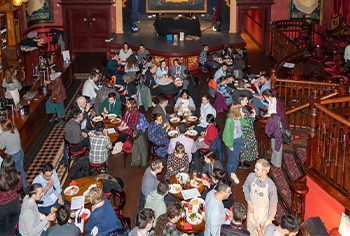
© Microbiology Society
Monday 17 April 2023

© I'ah Donovan-Banfield
Wednesday 19 April 2023
The Microbiology Society Annual Conference is a key feature in the calendar of a microbiologist – from undergraduates to those more established in their career.
The scientific event is designed to provide ample opportunities for formal networking and the social programme offers informal opportunities for delegates to make new friends, forge future collaborations and have fun.
Details of social events will be posted on this page as they become available.
Early Career Microbiologists' networking and socialising
Monday 17 April 2023
Time: 18:45 - 22:00
Location: Felson’s Bar, Walkabout Birmingham
Tickets: Free – but please reserve your place via this booking link.
The Early Career Microbiologists' (ECM) Forum Executive Committee will be hosting an evening of interactive games and networking on Monday. With a complimentary buffet and welcome drinks supported by the Microbiology Society.
Participants will have the opportunity to take part in games and get to know other delegates, including senior members of the Society and ECM Forum members. This event will be a great way to meet potential collaborators and scientists from the breadth of the microbiology discipline and different career levels.
Whether it's your first time at Conference and you'd like to meet new people and brush up on your networking skills, or you'd just like to come and enjoy an evening of fun and socialising, be sure to join this networking event.
LGBTQ+ Networking Event
Wednesday 19 April 2023
Time:19:00–21:00
Location: Chai & Crumbs, 18 Holliday St, Birmingham, B1 1TS
For a second year, our Annual Conference programme includes an LGBTQ+ Networking Event, organised by our members for our members. The event takes place on Wednesday 19 April, 19:00–21:00 at Chai & Crumbs.
Refreshments will be provided.
This event is now fully booked and registration has closed. If you have registered and can no longer attend, or want to be added to the waiting list, please email [email protected].
Exhibition & Sponsorship
Annual Conference 2023 Invitation to Exhibit
All our exhibition stands have now sold out.
If you have missed out on exhibiting at Conference, there are still a number of sponsorship opportunities available. We would like to invite companies and organisations who are interested to please download our sponsorship pack or contact [email protected] to discuss packages. We also hold a number of other events throughout the year where you can exhibit or sponsor at. Full details can be found on our exhibitor and sponsorships page.
The exhibition is located in a high-traffic area, where all conference meals, coffee breaks and drinks receptions will be held, offering an excellent opportunity to showcase your products, interact with conference delegates and generate leads.
There are packages to suit varying budgets and promotional requirements, including our Careers Fair, which offers you the opportunity to present in breakout sessions and is designed so you can engage with postdoctoral researchers looking to learn more about the industry, your company and potential job opportunities.
Please download our invitation to exhibit for more details. If you have any questions about the packages available please email [email protected].
Annual Conference 2023 Invitation to Exhibit

|

|

|

|

|

|

|

|

|

|

|

|

|

|

|

|

|

|
|

|

|

|

|

|

|

|

|

|

|

|